
Voronet Monastery
Voroneț Monastery at a Glance
| Country | Romania |
| Setting | Bukovina painted-monastery landscape |
| Known for | 1488 church, blue exterior frescoes, Last Judgment, and Byzantine art |
| Best time to visit | May–October |
| Planning note | The page presents Voroneț as one of the Painted Churches of Moldavia and a focused heritage visit |
Why Visit Voroneț Monastery
Voroneț Monastery is a focused art and history visit built around its blue exterior frescoes, the western Last Judgment scene, and the church founded by Stephen the Great in 1488. The page’s connection to the Painted Churches of Moldavia gives the site a wider Bukovina context without taking attention away from the monastery itself.
Best Things to Do in Voronet Monastery
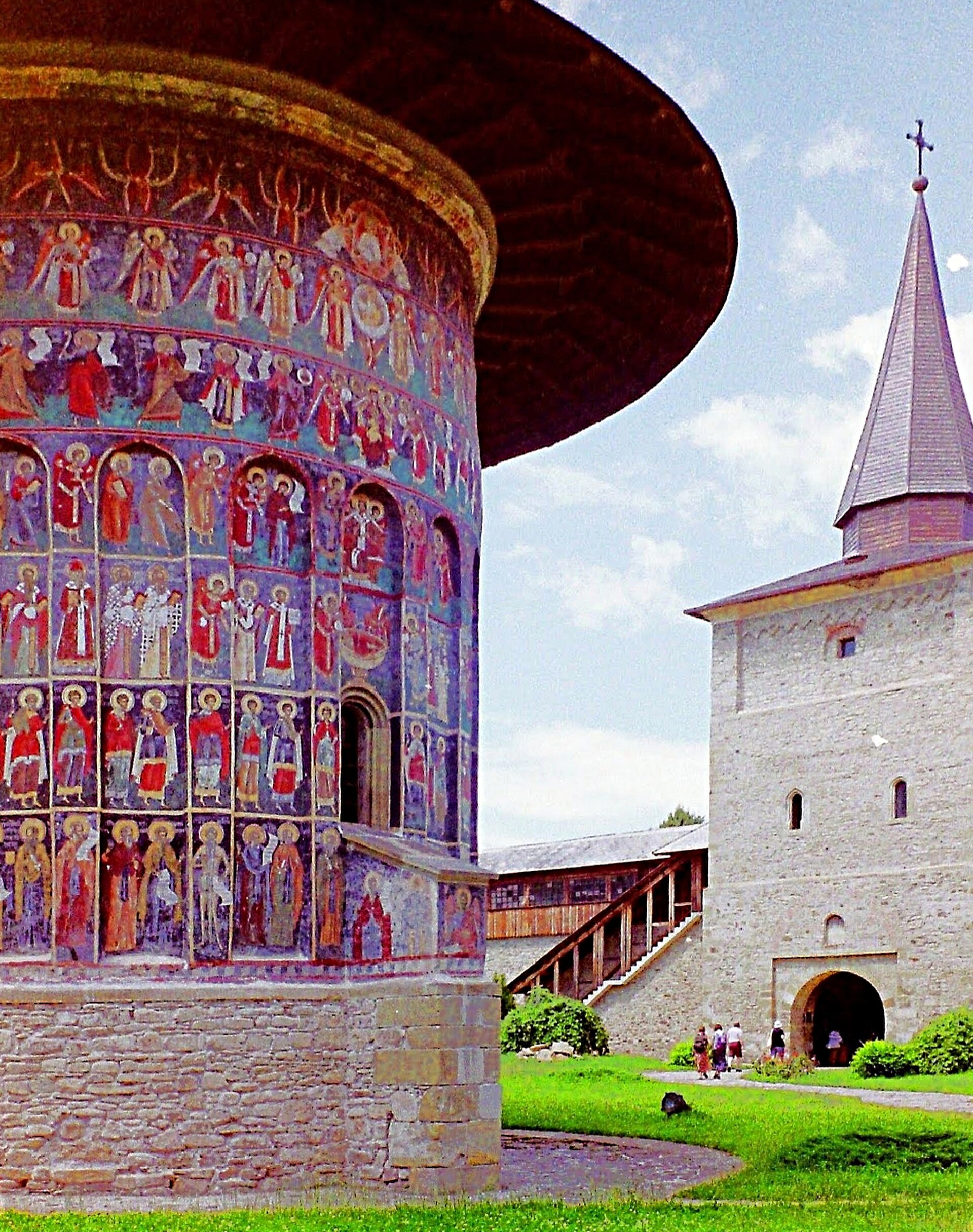
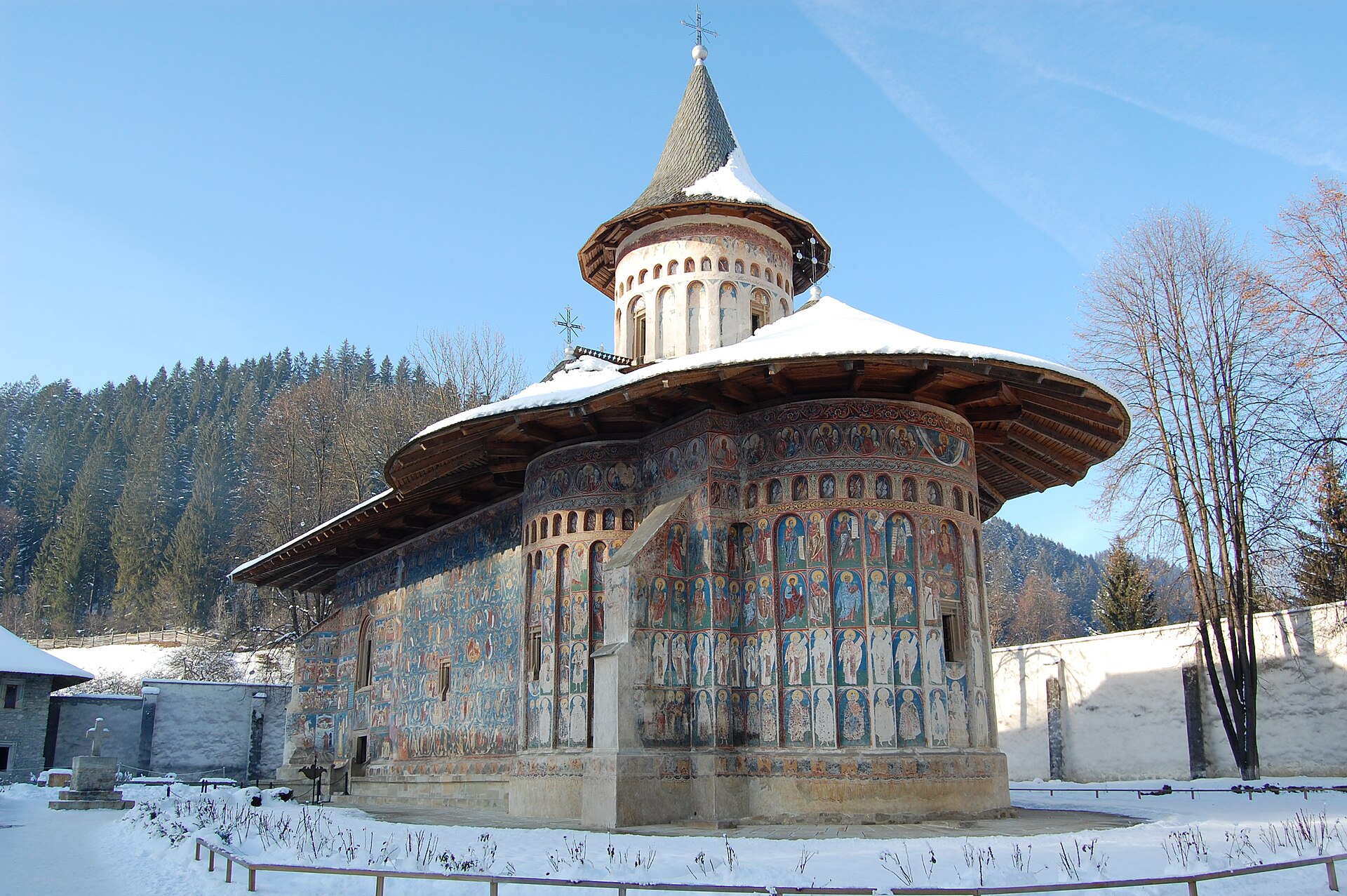
Known as the 'Sistine Chapel of the East,' Voroneț Monastery's exterior walls are covered in vivid blue frescoes, a shade now known worldwide as 'Voroneț blue,' whose recipe and chemical composition remain a mystery to art historians to this day. Built in 1488 by Stephen the Great of Moldavia — in just three months and three weeks, according to the inscription above the entrance — the monastery commemorates Stephen's victory over the Ottoman Turks at the Battle of Vaslui. Despite its modest size, Voroneț is the most famous of the five Painted Churches of Moldavia listed as UNESCO World Heritage sites, and for good reason — the frescoes that cover every external wall are among the finest examples of Byzantine art anywhere in the world.
Exploring Voronet Monastery: Top Attractions & Hidden Gems
The masterpiece of Voroneț is the Last Judgment scene that covers the entire western facade, an impressive composition of cosmic drama, angelic trumpets, rivers of fire, and the weighing of souls, all rendered in that luminous, unearthly blue that seems to glow against the sky. This 'Voroneț blue,' made from lapis lazuli mixed with a secret organic binder, has defied five centuries of harsh weather and remains as vivid as the day it was painted — the formula was lost with the death of the master painters. The south facade features the Tree of Jesse, tracing Christ's genealogy from Jesse through King David, while the north wall depicts the Akathist Hymn to the Virgin, one of Orthodox Christianity's most beloved liturgical poems.
Local Culture & Food in Voronet Monastery
The interior is equally rich, with frescoes of church fathers, martyrs, and scenes from the life of Christ. The monastery houses a small museum with icons, manuscripts, and fragments of the original furnishings. Voroneț remains an active convent, and the presence of the nuns chanting during services adds a profound spiritual dimension to the visit. The best time to experience the frescoes is in the early morning light, when the sun illuminates the western facade and the Voroneț blue seems to vibrate with an otherworldly intensity.
🗓 Best Time to Visit
May to October. Romania has a temperate continental climate with distinct seasons. The Carpathians offer skiing December-March and hiking June-September. Transylvania is enchanting in autumn (September-October) when the forests turn gold. The Danube Delta is best May-September for wildlife. Bucharest is pleasant April-June and September-October.
🍽 Food & Drink
Eating in Voronet Monastery centers around traditional family recipes and regional ingredients — historic stone buildings house traditional restaurants where you can taste local recipes passed down through generations. Local dishes include: mici (grilled minced meat rolls — a national obsession), sarmale (cabbage rolls stuffed with meat and rice), ciorbă de burtă (tripe soup), mămăligă (polenta — served with everything), and cozonac (sweet walnut-filled bread). For drinks, try Romanian wines (especially from Cotnari, Murfatlar, and Dealu Mare regions), țuică (plum brandy), and bere (beer — Ursus and Timișoreana are popular).
🚗 How to Get to Voronet Monastery by Bus, Car & Boat
By car: Well-connected by regional roads. Parking is available on the outskirts. By bus: Regular bus services from the nearest cities. Walking: Voronet Monastery is compact and best explored on foot. In Bucharest, the metro is efficient and cheap (about €0.50 per ride). Buses, trams, and trolleybuses cover the city. Uber and Bolt operate in major cities. Taxis can be unreliable — use ride-hailing apps.
🥘 Where to Eat in Voronet Monastery: Authentic Local Cuisine
While Voronet Monastery itself may not have extensive dining options, the nearby towns and villages offer excellent restaurants serving traditional regional cuisine. Many historical sites have a cafe or snack bar for light refreshments, but the real culinary experiences await in the surrounding settlements. Look for traditional konobe (taverns) and family-run restaurants where recipes have been passed down through generations. These establishments often use ingredients sourced from local farms and producers — fresh cheeses, cured meats, seasonal vegetables, and artisan breads. For a memorable experience, book a table at a restaurant with views overlooking the historical site, especially at sunset when the ancient stones glow golden. Local wineries near archaeological sites often offer tastings paired with regional specialties. Pack a picnic to enjoy on the grounds of the site itself — there's something special about eating surrounded by millennia of history. Romanian cuisine is hearty and diverse — sarmale (cabbage rolls), mămăligă (polenta), mici (grilled sausages), and excellent wines from Dealu Mare and Cotnari.
🏨 Best Hotels Near Voronet Monastery
Accommodation options vary by season and location. Book ahead for summer weekends and major local events.
Find a stay in Voronet Monastery
Compare apartments, guesthouses, and vacation rentals while you finalize your route. Flexible cancellation can help when drive times or border plans change.
Browse stays in Voronet Monastery on Vrbo →Accessibility
The page gives useful route and setting details, but it does not promise step-free access:
- The monastery combines outdoor frescoed walls, a church interior, and a heritage setting; the page does not confirm step-free access through every area.
- Historic thresholds, paths, and visitor routes may differ between the grounds and church, so confirm current conditions locally.
- Ask the monastery or accommodation about entrances, toilets, and assistance if mobility access is important.
- Plan time for both the exterior walls and the interior rather than assuming the visit is only a quick look at the western facade.
Common Mistakes
- Looking only at the blue western facade and missing the other exterior walls and interior details.
- Entering without checking current dress, worship, and photography instructions.
- Touching frescoed surfaces or leaning equipment against historic walls.
- Treating the famous blue as a reason to ignore the monastery’s history and religious setting.
- Assuming every Painted Church has the same visitor route or access conditions as Voroneț.
Photography
The blue exterior walls, western Last Judgment scene, church roof, and interior details reward both wider and close heritage frames. Follow the monastery’s current photography and flash instructions and keep equipment away from frescoed surfaces. Romania regulates drones — check current registration and flight rules with the Romanian Civil Aeronautical Authority (AACR) before flying.
Etiquette
A few low-impact habits fit this destination:
- Covering shoulders and knees is customary at an active monastery.
- Speaking quietly inside the church and respecting worship is considerate.
- Following photography, flash, and barrier instructions protects the frescoes.
- Asking before photographing worshippers, clergy, or staff is common courtesy.
- Staying on permitted paths and leaving the painted walls untouched is essential heritage etiquette.
Frequently Asked Questions
When is the best time to visit Voronet Monastery?
May to October. Romania has a temperate continental climate with distinct seasons. The Carpathians offer skiing December-March and hiking June-September. Transylvania is enchanting in autumn (September-October) when the forests turn gold. The Danube Delta is best May-September for wildlife. Bucharest is pleasant April-June and September-October.
How do I get to Voronet Monastery?
By car: Well-connected by regional roads. Parking is available on the outskirts. By bus: Regular bus services from the nearest cities. Walking: Voronet Monastery is compact and best explored on foot. In Bucharest, the metro is efficient and cheap (about €0.50 per ride). Buses, trams, and trolleybuses cover the city.
How many days do you need in Voronet Monastery?
A visit to Voronet Monastery can be tailored to your interests. Known as the 'Sistine Chapel of the East,' Voroneț Monastery's exterior walls are covered in vivid blue frescoes, a shade now known worldwide as 'Voroneț blue,' whose recipe and chemical composition r.
What is Voronet Monastery known for?
Known as the 'Sistine Chapel of the East,' Voroneț Monastery's exterior walls are covered in vivid blue frescoes, a shade now known worldwide as 'Voroneț blue,' whose recipe and chemical composition remain a mystery to art historians to this day.
Where should I stay in Voronet Monastery?
While Voronet Monastery itself is primarily a heritage attraction, the nearest town or city offers a range of accommodation options to suit every budget. Look for hotels and guesthouses that provide easy access to the site — many offer shuttle services or are within walking distance.
🗺️ Build a route around Voronet Monastery: Add Voronet Monastery to my itinerary. It opens the planner with this stop selected, so you can add nearby places and set the trip length.
Plan your budget
For country-level budget ranges and planning assumptions, see the Balkan travel costs guide.