
Danube Delta
Danube Delta at a Glance
| Country | Romania |
| Best time | April–September |
| Recommended stay | 1–2 Days |
| Top highlight | Biosphere Reserve |
| Transit hub | Regional bus network |
Why Visit Danube Delta
Explore the waterways, reed beds, and floating islands of the Danube’s delta.
Use Tulcea as the gateway for guided boat trips into remote channels.
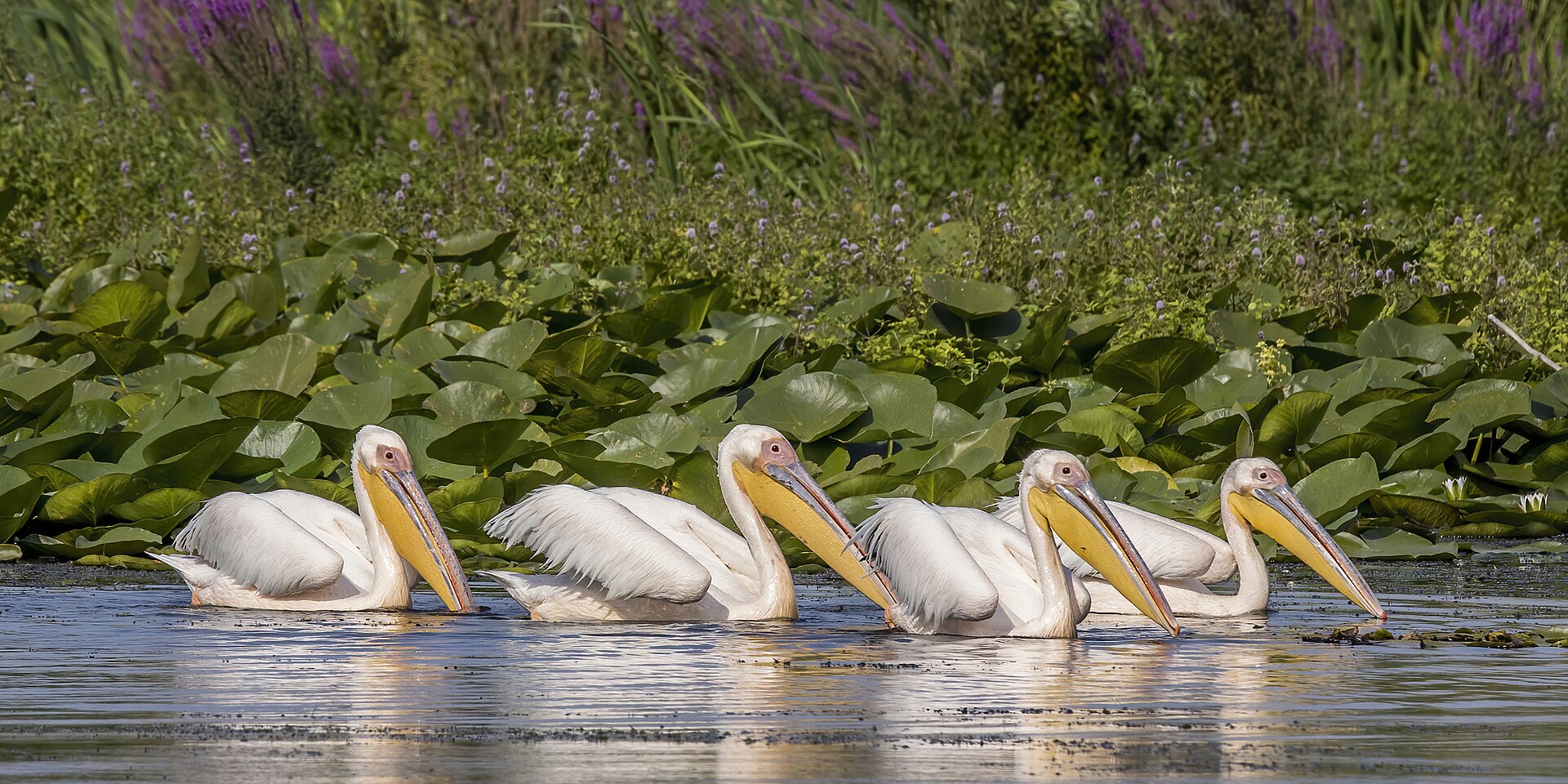
Watch for pelicans, herons, and other wetland species without disturbing them.
Overview
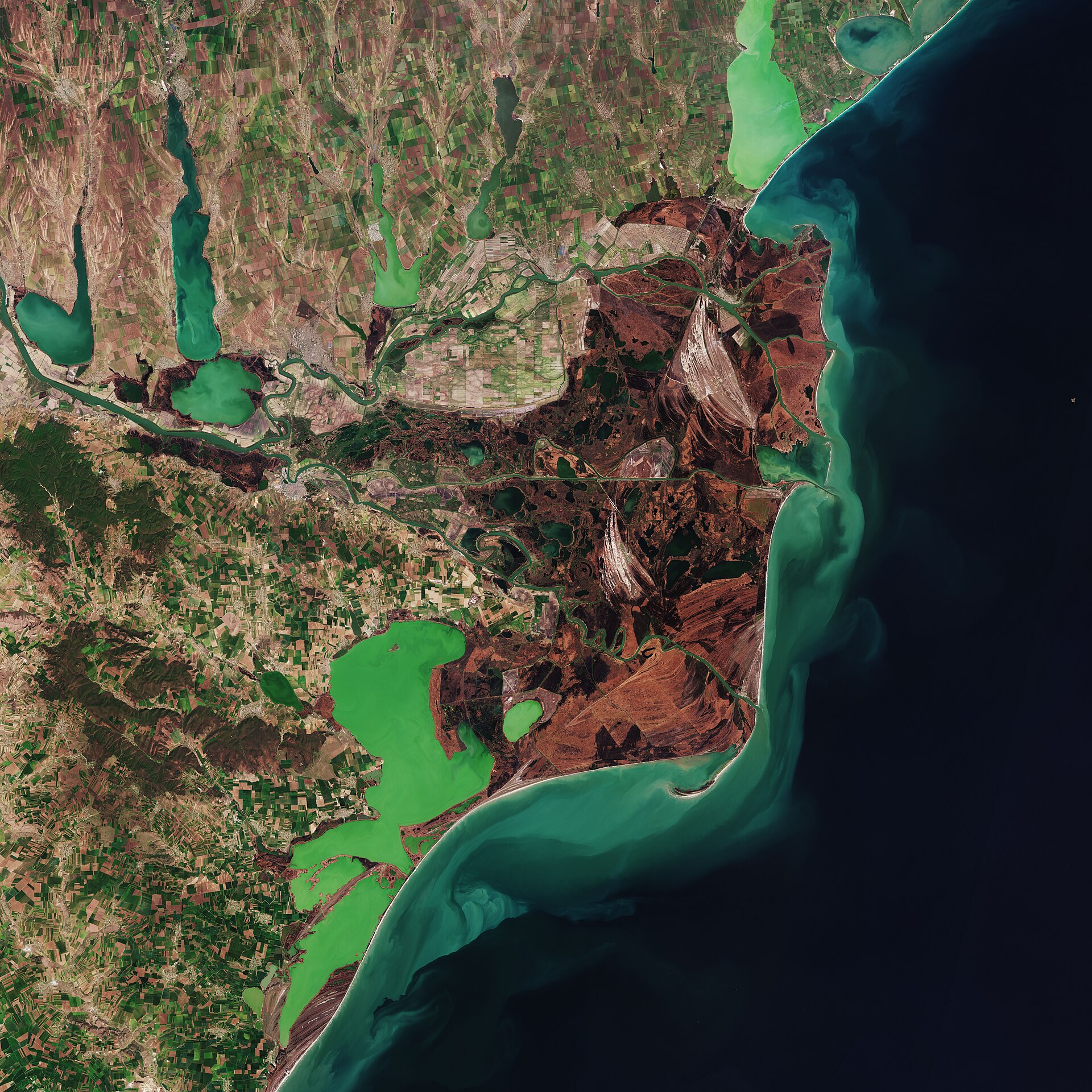
The Danube Delta is a UNESCO World Heritage biosphere reserve covering more than 5,800 square kilometres where the Danube meets the Black Sea. Its waterways, reed beds, fish-rich channels, and traditional Lipovan villages create a landscape best understood from the water.
Best Things to Do in Danube Delta
A UNESCO World Heritage biosphere reserve and one of the most extraordinary wilderness areas in Europe, the Danube Delta is Europe's largest and best-preserved river delta, a labyrinth of waterways, reed beds, floating islands, and ancient forests that covers over 5,800 square kilometers where the Danube River meets the Black Sea. This vast wetland is home to over 300 species of birds, including the iconic great white pelican, the Dalmatian pelican, glossy ibis, pygmy cormorant, red-breasted goose, white-tailed eagle, and herons of every description, making it one of the finest birdwatching destinations on the continent. Over 160 species of fish inhabit the delta's channels and lakes, making it a paradise for anglers as well. The best way to experience the Danube Delta is by boat — guided tours depart from the gateway town of Tulcea, ranging from a few hours to multi-day expeditions that venture deep into the remote channels, past traditional Lipovan fishing villages with their distinctive wooden houses and onion-domed churches, reed-thatched huts, and floating fisherman's platforms. The delta is divided into three main branches: the Chilia (northern), Sulina (central), and Sfântu Gheorghe (southern) branches, each with its own character and wildlife.
Exploring Danube Delta: Top Attractions & Hidden Gems
The Sulina branch is the most navigable and popular for tourism, while the Sfântu Gheorghe branch offers the wildest, most remote experiences. Fishing villages like Sfântu Gheorghe, Mila 23, Crișan, and Caraorman offer guesthouse accommodation where you can taste fresh fish dishes — including the famous sturgeon caviar (sterlet), zander, catfish, and carp — prepared according to traditional Lipovan recipes. The Letea Forest (Pădurea Letea), a UNESCO-protected subtropical forest growing on the delta's sandy levees, features centuries-old oaks entwined with lianas, creating a jungle-like atmosphere that is unique in Europe. Birdwatching is best in spring (April–May) during migration and in late summer when colonies of pelicans and cormorants are at their most active. The delta's human culture is equally fascinating.
Local Culture & Food in Danube Delta
The Lipovans (Old Believers) settled here in the 17th century fleeing religious persecution in Russia, and their traditions, distinct dialect, and beautifully painted wooden churches remain lively today. Fishing remains the traditional livelihood, and you can watch fishermen mending nets, building traditional wooden boats (lotci), and smoking fish in time-honored ways. Sunset boat trips through the reed-lined channels, with the sky ablaze in orange and pink and pelicans gliding overhead, create unforgettable memories. The Danube Delta Biosphere Reserve also includes the Macin Mountains, the oldest mountain range in Romania, with hiking trails that reveal impressive views over the delta. Responsible tourism is crucial here — choose eco-certified tour operators, avoid disturbing wildlife, and respect the fragile ecosystem. Whether you are an avid birder, a nature photographer, a fishing enthusiast, or a lover of wild landscapes seeking solitude and serenity, the Danube Delta offers an experience unlike anywhere else in Europe — a true wilderness refuge where nature reigns supreme.
🗓 Best Time to Visit
April to September (birdwatching), May to October (general). Romania has a temperate continental climate with distinct seasons. The Carpathians offer skiing December-March and hiking June-September. Transylvania is enchanting in autumn (September-October) when the forests turn gold. The Danube Delta is best May-September for wildlife. Bucharest is pleasant April-June and September-October.
🍽 Food & Drink
Pack a picnic! Traditional mountain food in the region includes hearty stews, grilled meats, local cheeses, and fresh bread — perfect refueling after a day on the trails. Nearby villages and mountain huts serve local specialties. Local dishes include: mici (grilled minced meat rolls — a national obsession), sarmale (cabbage rolls stuffed with meat and rice), ciorbă de burtă (tripe soup), mămăligă (polenta — served with everything), and cozonac (sweet walnut-filled bread). For drinks, try Romanian wines (especially from Cotnari, Murfatlar, and Dealu Mare regions), țuică (plum brandy), and bere (beer — Ursus and Timișoreana are popular).
🚗 How to Get to Danube Delta by Bus, Car & Boat
By car: A car is the most practical way to reach Danube Delta, as public transport to national parks and remote natural areas is limited. Parking is available at visitor centers. By bus/tour: Some parks are served by seasonal buses or organized tours from major cities. Getting around: Once inside, walking trails, boardwalks, and park shuttle buses are the primary means of exploration. Trains (CFR) connect all major cities — the 'InterRegio' trains are modern and comfortable. Buses are faster for shorter routes. Domestic flights link Bucharest with Cluj, Timișoara, and Iași. Car rental offers the most freedom.
🥘 Where to Eat in Danube Delta: Authentic Local Cuisine
Danube Delta has dining options ranging from traditional local restaurants to cafes and international cuisine. The main pedestrian streets and central squares are where you'll find the highest concentration of restaurants, but venturing into residential neighborhoods often rewards you with more authentic and affordable meals. Local bakeries and street food stalls are perfect for quick bites — try regional specialties like savory pies, grilled meats, and fresh pastries. For a proper sit-down meal, look for restaurants that specialize in regional cuisine, where the menu changes with the seasons and ingredients come from local producers. Wine bars and gastro pubs have been growing in popularity, which offers curated selections of local wines and creative small plates. The local market is an excellent spot for lunch, with food stalls serving freshly prepared dishes at reasonable prices. Many restaurants offer business lunch specials on weekdays — the most affordable way to sample quality local cooking. Romanian cuisine is hearty and diverse — sarmale (cabbage rolls), mămăligă (polenta), mici (grilled sausages), and excellent wines from Dealu Mare and Cotnari.
🏨 Best Hotels in Danube Delta
Danube Delta offers many accommodation to suit all travel styles and budgets. In the city center, you'll find everything from stylish boutique hotels and well-known international chains to budget-friendly hostels and private apartments. For a more local experience, consider staying in residential neighborhoods where family-run guesthouses offer warm hospitality and homemade breakfasts at a fraction of the center's prices. Mid-range hotels typically include breakfast and offer excellent value, with many with rooftop terraces, wellness areas, and on-site restaurants. Business hotels cater to professionals but often offer weekend discounts for leisure travelers. For extended stays, serviced apartments with kitchenettes provide flexibility and space. Most centrally located hotels put you within walking distance of the main attractions, restaurants, and public transport links. Romania offers accommodation from grand historic hotels in Bucharest to cozy guesthouses in Transylvania, mountain cabins in the Carpathians, and castle stays.
Find a stay in Danube Delta
Compare apartments, guesthouses, and vacation rentals while you finalize your route. Flexible cancellation can help when drive times or border plans change.
Browse stays in Danube Delta on Vrbo →Accessibility
- Most delta exploration is by boat, and boarding arrangements vary by operator.
- The page does not guarantee step-free boats, jetties, or accommodation access.
- Confirm boat access and mobility requirements directly before booking.
Common Mistakes
- Treating the delta as a single roadside attraction.
- Booking a boat without checking the departure point.
- Approaching pelicans or nesting birds.
- Underestimating distances between Tulcea and remote channels.
Photography
- Use boat-level reflections and reed channels as leading lines.
- Keep birds small in the frame and use a long lens where possible.
- Photograph villages respectfully from public or operator-approved places.
- Romania regulates drones — check current registration and flight rules with the Romanian Civil Aeronautical Authority (AACR) before flying.
Etiquette
- Follow the boat guide’s route.
- Keep distance from wildlife.
- Leave no waste on boats or banks.
- Respect village privacy.
- Keep engine and shoreline rules.
Frequently Asked Questions
When is the best time to visit Danube Delta?
April to September (birdwatching), May to October (general). Romania has a temperate continental climate with distinct seasons. The Carpathians offer skiing December-March and hiking June-September. Transylvania is enchanting in autumn (September-October) when the forests turn gold. The Danube Delta is best May-September for wildlife.
How do I get to Danube Delta?
By car: A car is the most practical way to reach Danube Delta, as public transport to national parks and remote natural areas is limited. Parking is available at visitor centers. By bus/tour: Some parks are served by seasonal buses or organized tours from major cities.
How many days do you need in Danube Delta?
A visit to Danube Delta can be tailored to your interests. A UNESCO World Heritage biosphere reserve and one of the most extraordinary wilderness areas in Europe, the Danube Delta is Europe's largest and best-preserved river delta, a labyrinth of waterways, r.
What is Danube Delta known for?
A UNESCO World Heritage biosphere reserve and one of the most extraordinary wilderness areas in Europe, the Danube Delta is Europe's largest and best-preserved river delta, a labyrinth of waterways, reed beds, floating islands, and ancient forests that covers over 5,800 square kilometers where the Danube River meets the Black Sea.
Where should I stay in Danube Delta?
Danube Delta offers many accommodation to suit all travel styles and budgets. In the city center, you'll find everything from stylish boutique hotels and well-known international chains to budget-friendly hostels and private apartments.
🗺️ Build a route around Danube Delta: Add Danube Delta to my itinerary. It opens the planner with this stop selected, so you can add nearby places and set the trip length.
Plan your budget
For country-level budget ranges and planning assumptions, see the Balkan travel costs guide.