

Sighișoara
Sighișoara at a Glance
| Country | Romania |
| Best time | May–September |
| Recommended stay | 1–2 Days |
| Top highlight | Mare River |
| Transit hub | Regional bus network |
Why Visit Sighișoara
Walk the inhabited medieval citadel and its guild towers.
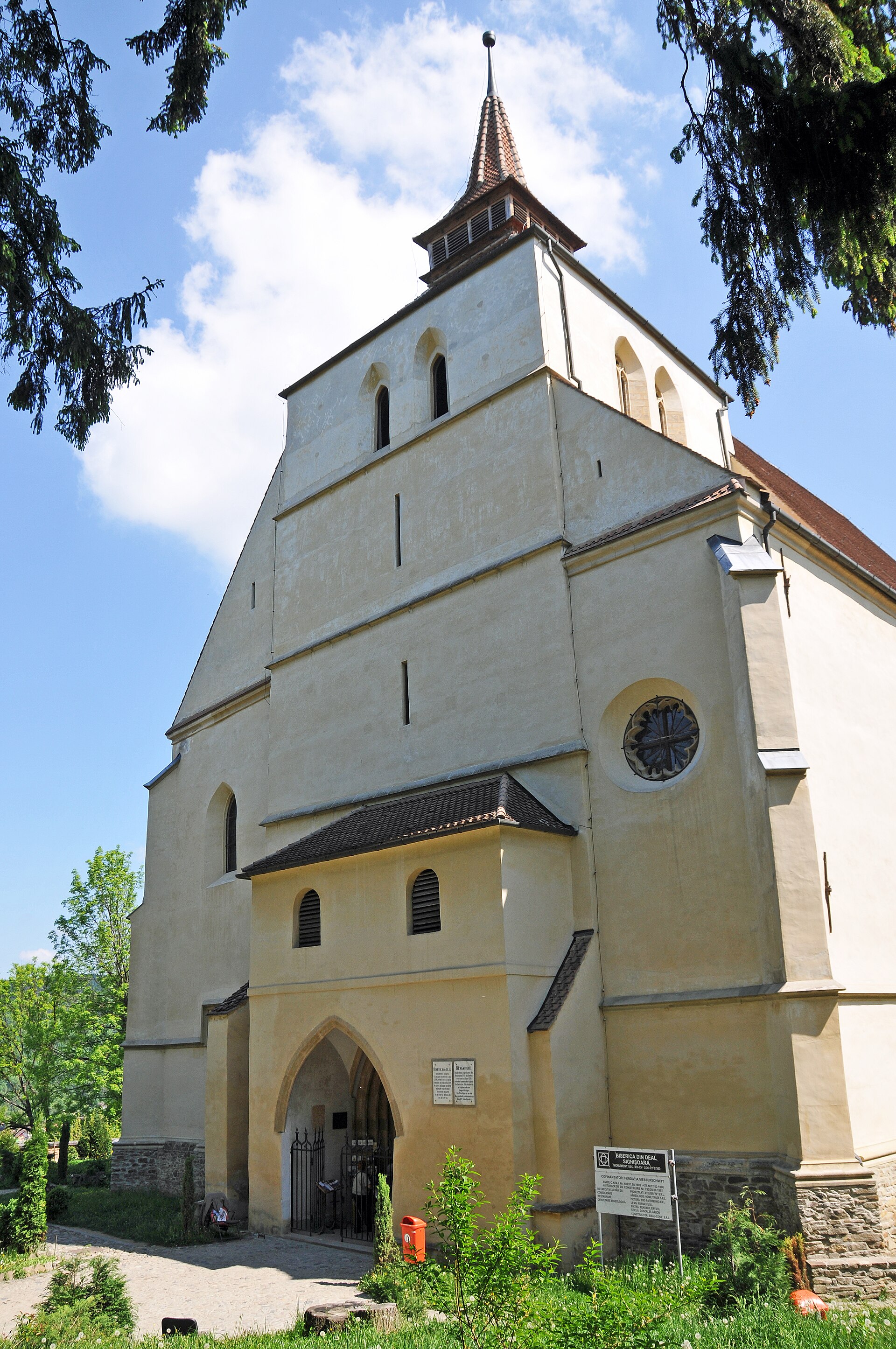
Explore cobbled lanes, pastel burgher houses, and the Church on the Hill.
Use the citadel as a base for nearby Saxon-village landscapes.
Best Things to Do in Sighișoara
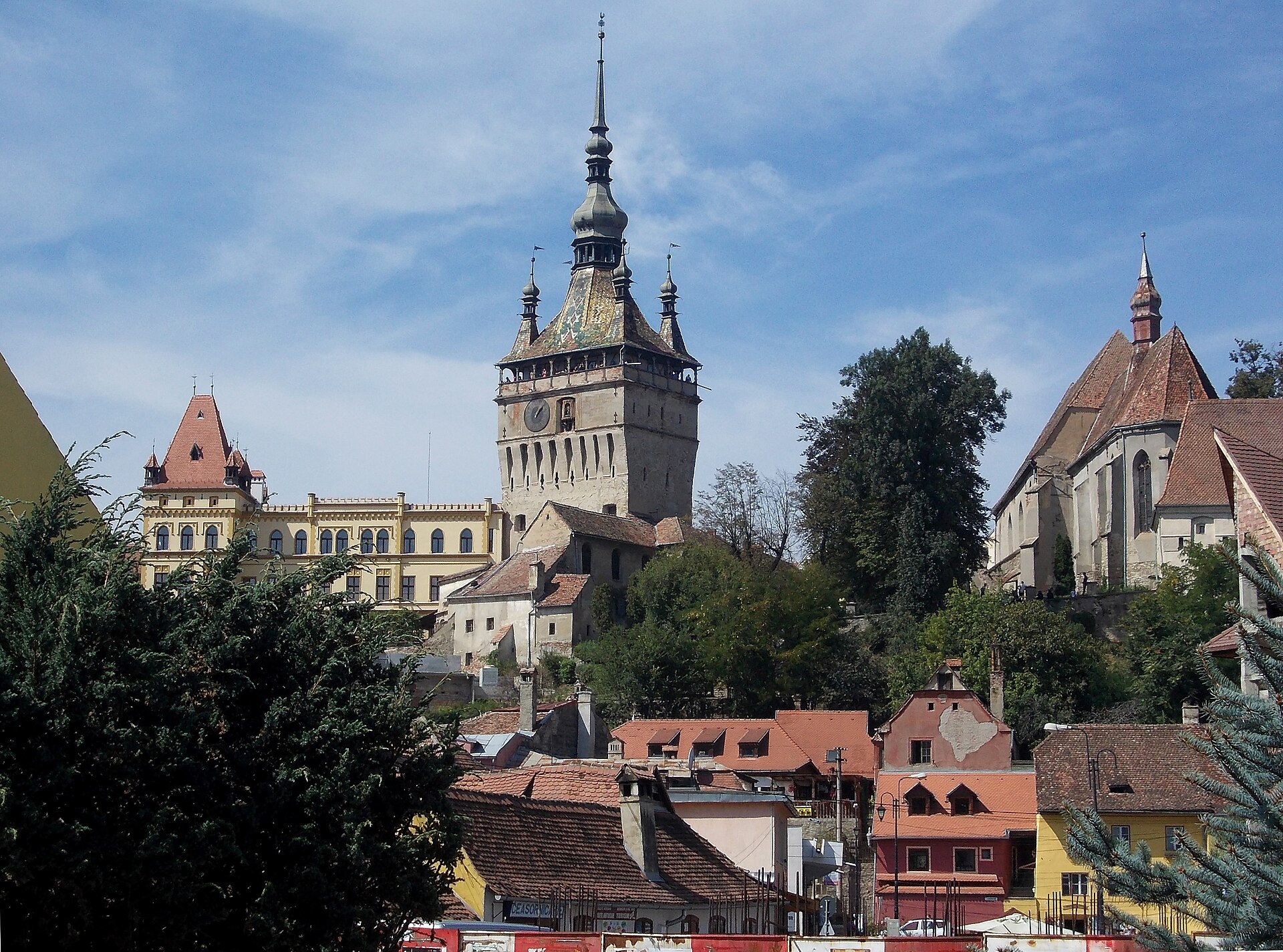
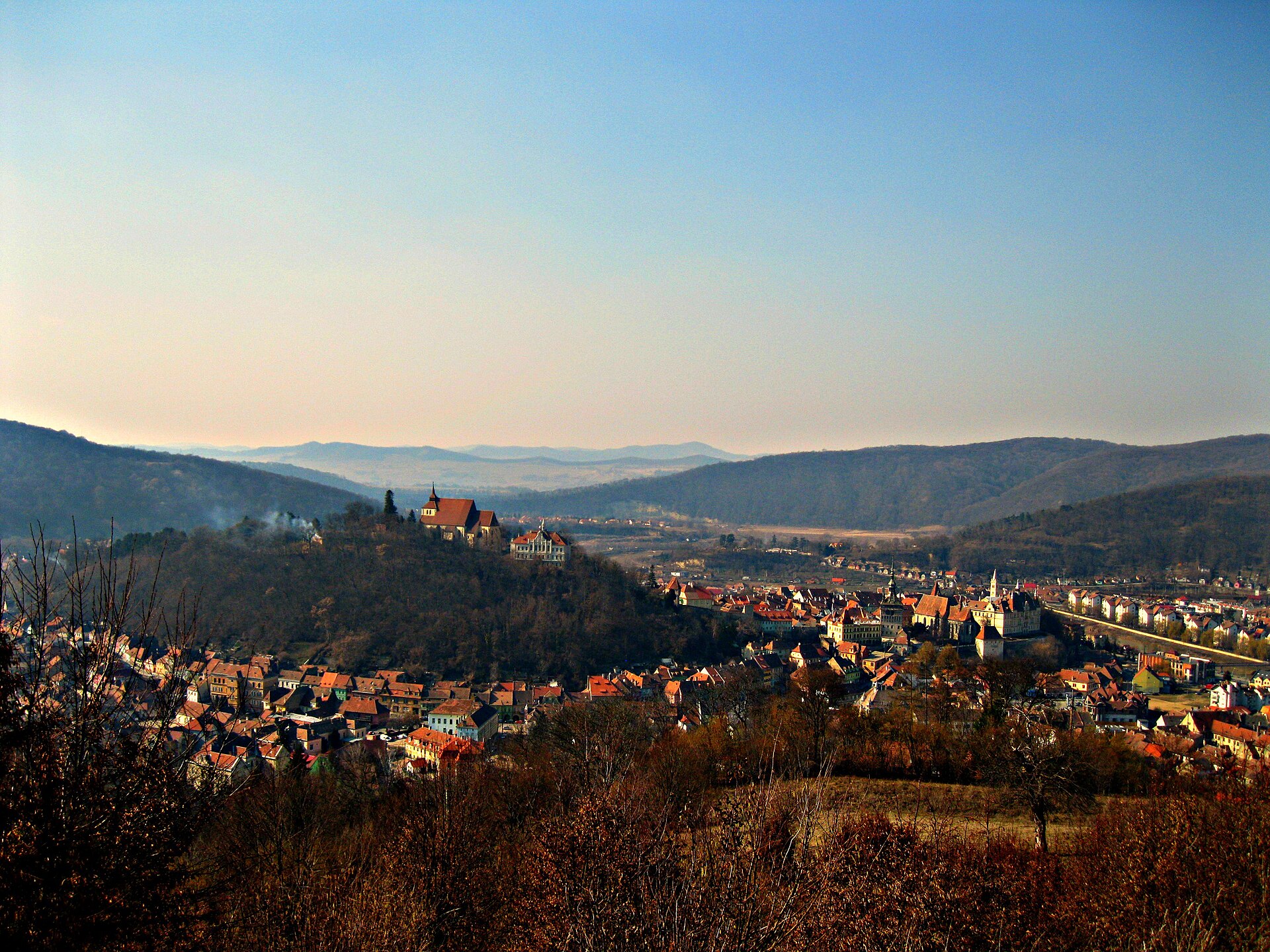
Perched on a hill above the Târnava Mare River, Sighișoara (German: Schäßburg, Hungarian: Segesvár) is one of Europe's best-preserved inhabited medieval citadels and a UNESCO World Heritage site since 1999. Founded by Transylvanian Saxons in the 12th century, the citadel retains its original urban fabric: nine surviving defensive towers — each maintained by a different craft guild — encircle a cobbled upper town of pastel-coloured 16th-century burgher houses with stepped gables, Gothic portals, and wrought-iron signs swinging above narrow doorways.
🗓 Best Time to Visit
May–September offers the most reliable weather for exploring the citadel. July brings the Sighișoara Medieval Arts Festival, a three-day event with jousting tournaments, artisan markets, costumed re-enactments, and live folk music in Piața Cetății — book accommodation months ahead. September is the sweet spot: warm days, thinner crowds, and the surrounding Saxon villages are at their most photogenic. April and October are quieter and cheaper, though some citadel restaurants reduce hours midweek. December sees a small Christmas market in Piața Cetății with mulled wine and local handicrafts. Avoid February–March when the church and some attractions operate on reduced winter schedules. The citadel is at its most atmospheric at 07:00 on a summer morning, when the cobblestones are empty, the guild towers cast long shadows, and only the bells of the Church on the Hill break the silence.
🍽 Food & Drink
Dining inside the Sighișoara citadel is an experience in itself, with most restaurants occupying centuries-old vaulted cellars or burgher-house courtyards. Casa Vlad Dracul (Piața Cetății 7, 45–95 RON) is the atmospheric — if touristy — option serving 'medieval' plates in Vlad Țepeș's birthplace. Their house special is a mixed grill platter for two (85 RON) that includes pork chops, mici, sausages, and mămăligă. Piațeta Sighișoara (Piața Cetății 12, 35–75 RON) is a more relaxed terrace spot overlooking the square — order the grilled trout with lemon butter (38 RON) or the ciorbă de văcuță (beef soup, 18 RON). Casa cu Arcade (Strada Școlii 5, 50–100 RON) is the upscale choice, set in a 16th-century burgher house with stone arches and an open fire in winter. Their game menu — venison stew with forest mushrooms (68 RON) and wild boar with plum sauce (72 RON) — is outstanding. Burg Hostel Restaurant (Strada Bastionului 4, 25–50 RON) caters to budget travellers with generous portions of pasta, pizza, and Romanian staples like tocăniță (stew). For dessert, Gelato Sighișoara (Piața Cetății 11, 7–10 RON per scoop) serves handmade ice cream with local honey and walnut flavours.
🚗 How to Get to Sighișoara by Bus, Car & Boat
By car: Sighișoara sits on the DN13 between Brașov (1.5 hours, 115 km) and Târgu Mureș (50 minutes, 60 km). The drive from Sibiu takes 2 hours (100 km, DN14). Parking: Park in the lower town (Orașul de Jos) — the best lot is on Strada 1 Decembrie 1918 (4 RON/hour, 24-hour guarded). Do not attempt to drive into the upper citadel; the streets are narrow, pedestrianised, and most are restricted to residents. By train: Sighișoara's railway station is on the main CFR line with direct InterRegio services from Brașov (1.5 hours, from 40 RON), Bucharest (4.5 hours, from 80 RON), and Cluj-Napoca (2.5 hours, from 55 RON). The station is a 15-minute walk downhill from the citadel. By bus: Autogara Sighișoara on Strada Mihai Viteazu has buses to Sibiu (2 hours, from 35 RON), Mediaș (1 hour, from 20 RON), and Târgu Mureș (1 hour, from 25 RON). On foot: The entire citadel is compact — you can walk from the Clock Tower to the Church on the Hill in 10 minutes. The climb up the Scholars' Stairs (175 steps) is worth doing at least once, but there is also a gentler sloping road (Strada Școlii) if the stairs feel too steep.
🥘 Where to Eat in Sighișoara: Authentic Local Cuisine
Sighișoara offers a compact but characterful dining scene concentrated in Piața Cetății and the surrounding lanes. Casa Vlad Dracul (45–95 RON) is the citadel's most famous address — the medieval-themed dining room features heavy wood tables, candles, and a fireplace. The food is good but tourist-priced; the Transylvanian goulash (42 RON) and the mixed grill platter (85 RON for two) are reliable choices. Piațeta Sighișoara (35–75 RON) is the locals' favourite for its sunny terrace and well-priced menu — the grilled trout (38 RON) and chicken șnițel (28 RON) are excellent value. Casa cu Arcade (50–100 RON) is the most refined option, ideal for a special dinner — try the venison stew with forest mushrooms (68 RON) or the duck breast with sour cherry sauce (55 RON), served in a candlelit stone-vaulted room. Burg Hostel (25–50 RON) is best for a casual lunch: their mici with fries and mustard (20 RON) and hearty bean soup (15 RON) fuel citadel exploring without breaking the bank. For wine, La Castel (Strada Turnului 1) is a small wine bar with a curated list of Romanian wines from Târnave and Dealu Mare, with glasses from 12 RON.
🏨 Best Hotels in Sighișoara
Staying inside the citadel is the quintessential Sighișoara experience. Casa Wagner (Piața Cetății 7, ★★★) occupies a 17th-century burgher house with wood-beamed rooms and windows overlooking the square — doubles from 350 RON/night. Hotel Sighișoara (Strada 1 Decembrie 1918 15, ★★★★) is a modern hotel in the lower town, ten minutes' walk from the citadel, with a pool and spa — doubles from 380 RON/night. Casa Săsească (Strada Școlii 10, ★★★) is a charming three-room guesthouse in a restored Saxon house with a garden and home-cooked breakfasts — doubles from 250 RON/night. Budget travellers will appreciate Burg Hostel (Strada Bastionului 4, ★★), offering dorm beds from 70 RON and private doubles from 180 RON, right inside the citadel. For a unique rural stay, the fortified Saxon village of Biertan (30 minutes by car) has guesthouses from 180 RON/night with access to the UNESCO-listed Biertan Fortified Church.
Find a stay in Sighișoara
Compare apartments, guesthouses, and vacation rentals while you finalize your route. Flexible cancellation can help when drive times or border plans change.
Browse stays in Sighișoara on Vrbo →📸 Photo timing: The best shot of the Clock Tower against the Saxon rooftops is from the Church on the Hill viewpoint, just after the Scholars' Stairs. Shoot at golden hour (07:00–08:00 or 18:00–19:00 in summer) for the warmest light. 🅿️ Parking strategy: Park in the lower town — Strada 1 Decembrie 1918 — and walk uphill for 10 minutes. Do not attempt to drive inside the citadel walls. 🌙 Evening atmosphere: Stay inside the citadel after 19:00 when the day-trip buses leave and the streets empty. The cobblestones under lamplight, the occasional clip-clop of horse-drawn carriages, and the bells of the Church on the Hill create an unforgettable medieval ambience. 🏺 Souvenirs: Skip the mass-produced Dracula T-shirts and buy hand-painted ceramic plates or traditional Saxon embroidery from the Artisan Market (weekends, Piața Cetății). 🎟 Combo ticket: The History Museum ticket (18 RON) already includes the Clock Tower climb — you don't need to pay separately for the tower. 🚶 Nearby villages: The fortified Saxon churches of Biertan (UNESCO, 30 min), Alma Vii (20 min), and Viscri (1 hour) are must-see day trips for architecture enthusiasts. Viscri is also the preferred Romanian destination of King Charles III. 🍷 Local wine: The Târnave wine region surrounds Sighișoara. Ask for a glass of Fetească Regală or Riesling Italian at Piațeta Sighișoara — both pair beautifully with grilled trout.
Hidden Gems in Sighișoara
- Look beyond the Clock Tower to the nine surviving guild towers, each linked to a different craft guild and part of the citadel’s defensive ring.
- Take the gentler route along Strada Școlii to reach the Church on the Hill if the 175-step Scholars’ Stairs are too demanding.
- The lower town and its guarded parking area offer a calmer start before the uphill walk into the inhabited citadel.
Accessibility
- The citadel sits on a hill with cobbles, slopes, and historic stairways.
- The page does not guarantee step-free access to towers, churches, or upper-town buildings.
- Confirm accommodation and attraction access before booking.
Common Mistakes
- Rushing through the citadel without allowing for the towers and hill church.
- Using smooth shoes on cobbles.
- Visiting festival periods without planning accommodation.
- Treating the inhabited citadel as an open-air museum with no residents.
Photography
- Use guild towers and stepped roofs to show the citadel’s vertical layers.
- Photograph quiet cobbled lanes in early light.
- Respect residents when framing doorways and courtyards.
- Romania regulates drones — check current registration and flight rules with the Romanian Civil Aeronautical Authority (AACR) before flying.
Etiquette
- Keep residential entrances clear.
- Ask before photographing residents.
- Dress modestly in churches.
- Follow tower and church rules.
- Keep voices low in narrow lanes.
Frequently Asked Questions
How much does it cost to visit the Clock Tower and History Museum in Sighișoara?
Entry to the Clock Tower (Turnul cu Ceas) and the History Museum inside is 18 RON for adults and 6 RON for students. The tower rises 64 metres above the citadel, and climbing the 175 steps rewards you with sweeping views over the nine guild towers, the Târnava Mare Valley, and the surrounding Saxon villages. The museum exhibits span medieval guild artefacts, weapons, pharmacy tools, and a fascinating collection of 18th- and 19th-century clocks.
What is the connection between Sighișoara and Dracula?
Vlad Țepeș (Vlad the Impaler), the 15th-century Wallachian prince who inspired Bram Stoker's Dracula, was born in Sighișoara in 1431. He was born in Casa Vlad Dracul, a house on Piața Cetății belonging to his father, Vlad Dracul (Vlad the Dragon), who was then living in the citadel. The house is now a restaurant, a small museum (with medieval torture instruments and wax figures), and a souvenir shop — entry to the museum portion is 10 RON.
What are the best restaurants in Sighișoara and how much do they cost?
Casa Vlad Dracul (45–95 RON) is the citadel's most famous restaurant, serving medieval-themed Romanian dishes in Vlad's birthplace — try their Transylvanian goulash or spit-roasted pork knuckle. Piațeta Sighișoara (35–75 RON) offers a more relaxed terrace on the main square with excellent grilled meats and local wine. Casa cu Arcade (50–100 RON) is an upscale option inside a 16th-century burgher house, known for its game dishes — venison stew and wild boar with plum sauce. Burg Hostel (25–50 RON) has a budget-friendly restaurant with hearty soups, pasta, and pizza.
What are the 9 towers of the Sighișoara citadel?
The nine surviving guild towers (from an original 14) are: the Clock Tower (Turnul cu Ceas), the Tin Smiths' Tower, the Tailors' Tower, the Shoemakers' Tower, the Furriers' Tower, the Butchers' Tower, the Ropers' Tower, the Tanners' Tower, and the Ironsmiths' Tower. Each was originally maintained by its respective craft guild as part of the citadel's defence system. The Clock Tower is the only one open to the public (as the History Museum), but all nine are visible from the citadel's perimeter wall walk.
How do I get to Sighișoara, and where should I park?
By train: Sighișoara is on the CFR main line between Brașov (1.5 hours, from 40 RON) and Cluj-Napoca (2.5 hours, from 55 RON). By car: From Brașov, take DN13 north (1.5 hours). Parking is easier in the lower town (Orașul de Jos) — use the guarded lot on Strada 1 Decembrie 1918 (4 RON/hour) and walk uphill 10 minutes through the citadel gate. The upper citadel has very limited parking and narrow streets not suitable for large vehicles. By bus: Several daily buses from Sibiu (2 hours, from 35 RON) and Târgu Mureș (1 hour, from 25 RON).
🗺️ Build a route around Sighișoara: Add Sighișoara to my itinerary. It opens the planner with this stop selected, so you can add nearby places and set the trip length.
Plan your budget
For country-level budget ranges and planning assumptions, see the Balkan travel costs guide.