
Mud Volcanoes (Vulcanii Noroioși)
Mud Volcanoes (Vulcanii Noroioși) at a Glance
| Country | Romania |
| Best time | After rainfall · spring and autumn |
| Recommended stay | Half day |
| Top highlight | Cold mud volcanoes |
| Transit hub | Car essential · no public transport to the sites |
Why Visit Mud Volcanoes (Vulcanii Noroioși)
See methane-driven cold mud cones and the cracked sedimentary landscape.
Compare the Berca sites as a geological excursion rather than a lava field.
Walk carefully around the cones and dry mud formations.
What Are the Mud Volcanoes? — The Geology Explained
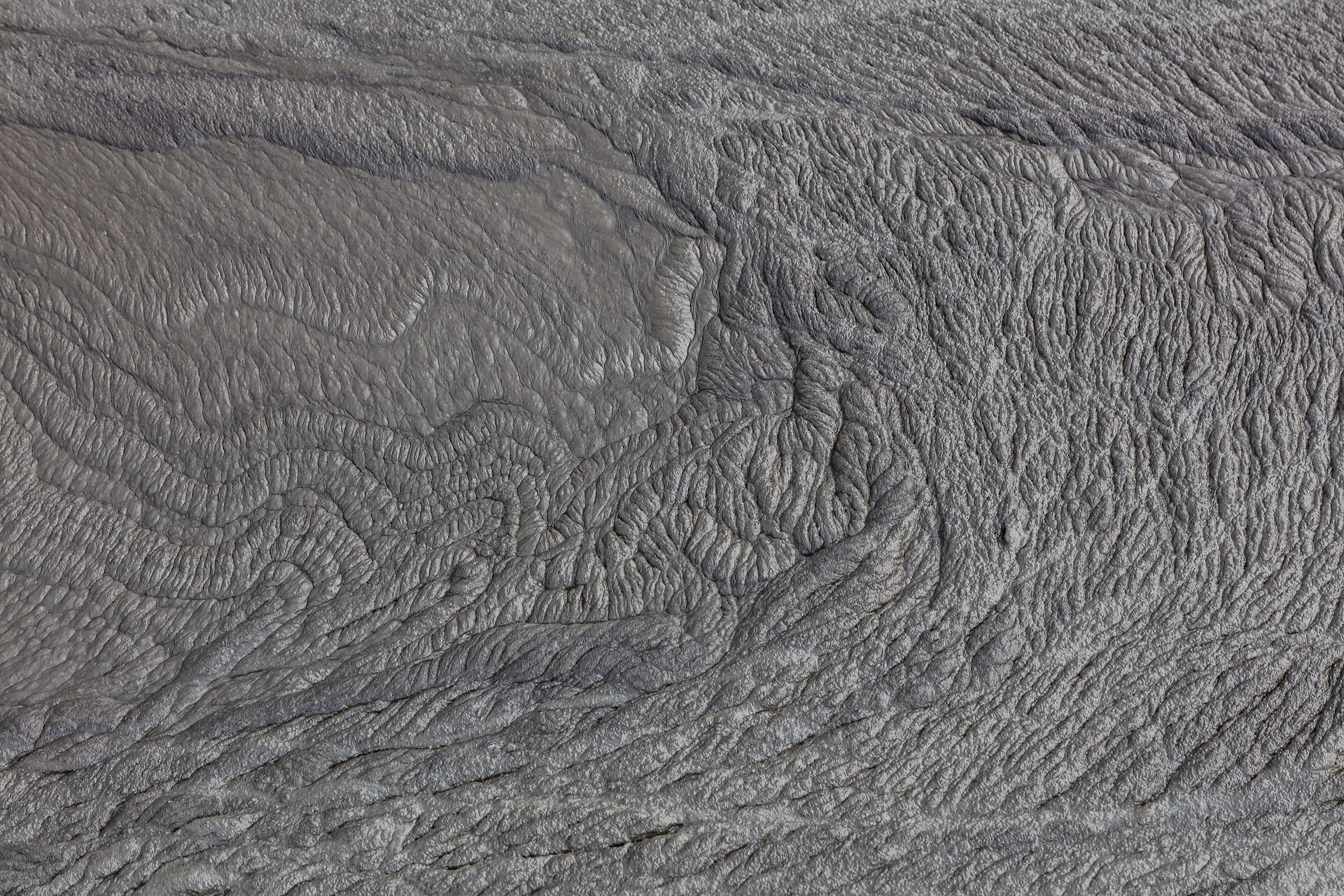
Despite the dramatic name, the Mud Volcanoes of Berca (Vulcanii Noroioși) have nothing to do with lava, magma, or geothermal heat. They are cold mud volcanoes — a purely sedimentary phenomenon driven by methane gas.
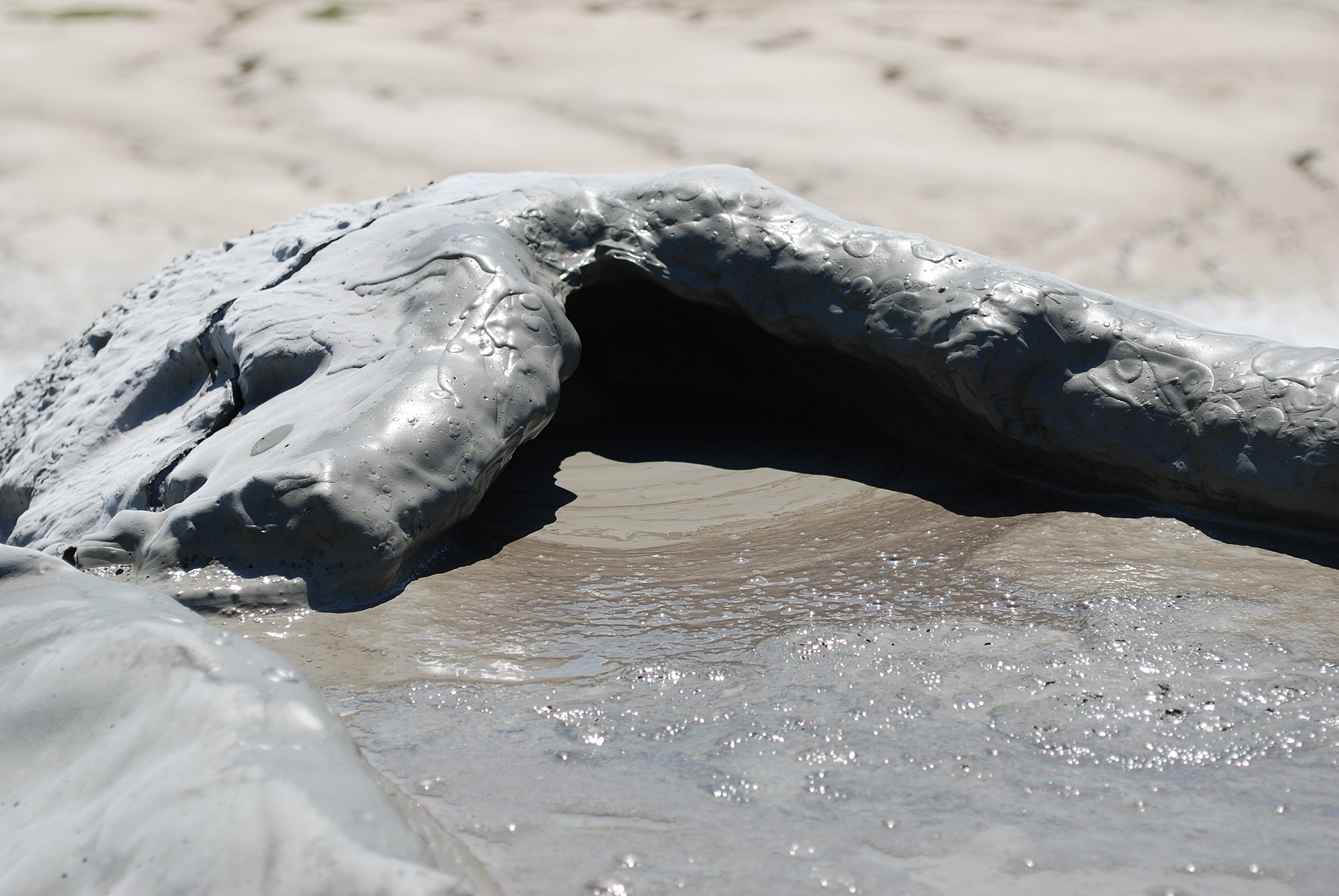
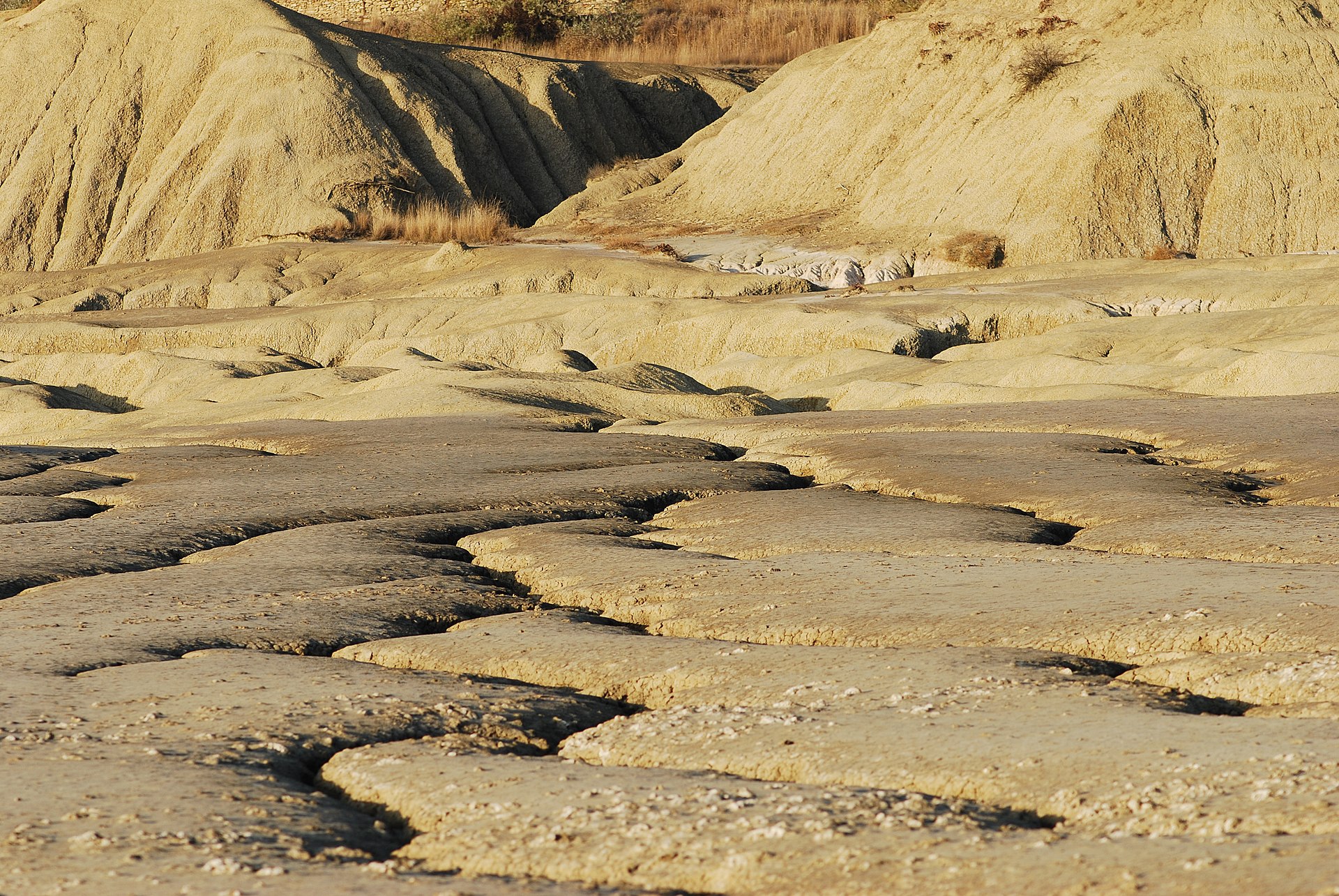
Deep beneath the Carpathian Bend, Miocene-era sedimentary deposits (roughly 5–23 million years old) trap vast quantities of natural gas. This methane migrates upward through geological faults and forces a clay-rich slurry of saltwater and mud to the surface. The gas bubbles out in a constant gurgle — pop, splutter, hiss — while the mud dries and cracks into intricate polygonal patterns. Over time, successive eruptions build cone-shaped formations ranging from a few centimetres to over 5 metres in diameter. The mud is cold to the touch (ambient temperature), rich in salt and minerals, and forms a cracked grey-beige crust that gives the landscape a distinctly lunar appearance.
These are the largest cold mud volcanoes in Europe, and the methane that drives them is so abundant that locals once used it for heating — a pipe driven a few metres into the ground would produce a steady flame. The area's unique saline soil also supports rare halophyte (salt-tolerant) plants — including Salicornia and Nitraria schoberi — that grow nowhere else in Romania, creating an otherworldly botanical landscape as remarkable as the mud cones themselves.
Which Site to Visit — Comparing All Three
The Mud Volcanoes are actually three separate sites, each offering a very different experience. They lie within a few kilometres of each other near the village of Berca, and most visitors combine both managed sites in a single half-day trip.
🏛 Pâclele Mari
10 RON adults · 5 RON children · 5 RON parking
- Time: 30–45 minutes
- Access: Maintained wooden boardwalk
- Best for: First-time visitors, families, photographers
- Hours: Summer 09:00–20:00, Winter 09:00–18:00
- Vibe: Developed, ticketed, interpretive signs, small shelter
- The largest cones (5–6 m diameter) are here. The boardwalk circles the main field — walk the full loop, the best cones are at the far end.
🥾 Pâclele Mici
10 RON adults · 5 RON children · 5 RON parking
- Time: 1 hour (including 1.5 km hike)
- Access: Uneven dirt path, no boardwalk
- Best for: Adventurous travellers, solo explorers
- Hours: Always open (hike-in, no gate)
- Vibe: Wild, rough, fewer people, more intimate
- Smaller but far more numerous cones. You can get right up to the bubbling craters — watch your step, the clay is slippery and stains shoes.
📍 Berca (Free)
Free · No parking fee
- Time: 10 minutes
- Access: Roadside outcrop
- Best for: Quick stop on the way through
- Hours: Always accessible
- Vibe: Tiny, single active cone, no facilities
- A single active cone right by the road. Worth a 10-minute stop if you're driving through Berca, but not a destination in itself.
🕐 Practical Information — Fees, Hours, Directions & What to Bring
Entry fees (2026): Pâclele Mari — 10 RON adults / 5 RON children. Pâclele Mici — 10 RON adults / 5 RON children. Berca site — free. Parking is 5 RON per car at each managed site. Cash only — there are no card terminals at either site.
Opening hours: Pâclele Mari operates on a seasonal schedule — summer (April–October) 09:00–20:00, winter (November–March) 09:00–18:00. Pâclele Mici is always accessible as a hike-in site since there is no gate; a ranger usually collects the fee during daylight hours. The Berca roadside outcrop is accessible 24/7.
Getting there: A car is essential — there is no public transport serving any of the three sites. From Buzău city, follow DJ203G toward Berca village, then the signed turnoffs. From Bucharest, it's about 2 hours (120 km via DN2/E85 toward Buzău, then east). The access road to Pâclele Mari is manageable for any car; the road to Pâclele Mici is rougher gravel and may require careful driving after rain. Parking costs 5 RON at each managed site. The three sites are spread across a few kilometres — visit Pâclele Mari first, then Pâclele Mici (5 minutes by car), and the Berca outcrop on your way back.
What to bring: Water — at least 1.5 litres per person in summer, as there is no food or drink sold on site. Sunscreen and a hat — there is zero shade at both managed sites. Sturdy closed-toe shoes — the clay at Pâclele Mici is slippery and stains. A bag for muddy shoes in the car. Cash for entry fees and parking. A camera — the textures are extraordinary at golden hour.
Best time to visit: After rainfall. The mud is dramatically more active when wet — cones bubble and splatter with visible energy, and freshly erupted mud creates vivid patterns on the cracked ground. Early morning or late afternoon offers the best light and the smallest crowds. Avoid midday in July–August when temperatures are punishing with no shade. Spring and autumn are ideal — the surrounding hills bloom with wildflowers or turn gold and russet.
🍽 Where to Eat Near the Mud Volcanoes
There are no food or drink facilities at any of the three volcano sites — no cafes, no stalls, nothing. You must bring your own water and snacks. The nearest dining options are in Berca village (8 km) and Buzău city (35 km).
In and near Berca:
- La Maria (Berca village centre, 25–50 RON) — A simple, family-run restaurant serving traditional Romanian fare: ciorbă (sour soup), grilled pork chops, mămăligă with cheese and sour cream, and cold beer. Reliable, no-frills, and the closest proper sit-down option to the volcanoes.
- Casa Săpoca (near Pâclele Mici, seasonal summer only, 20–45 RON) — A rustic open-air terrace with grills, cold drinks, and basic Romanian dishes. Open roughly June–September; check if they are running before you plan around it.
In Buzău (35 km from the volcanoes):
- La Tuci Vechi (Strada Unirii 15, Buzău, 30–60 RON) — The standout restaurant in the area, set in a restored old house with a leafy courtyard. Serves hearty portions of sarmale (cabbage rolls, 22 RON), mici with fries and mustard (18 RON), ciorbă de burtă (tripe soup, 16 RON), and grilled pork chops with mămăligă (35 RON). Rustic, welcoming, and the perfect post-volcano dinner stop.
- Grill to Grill (Buzău, 25–50 RON) — Specialises in grilled meats — mititei (mici), sausages, chicken wings, and pork steaks, all cooked over charcoal. Fast, casual, and budget-friendly.
- Bistro La Roșu (Buzău, 35–70 RON) — A modern Romanian bistro with a more refined menu. Try their slow-cooked beef cheeks with polenta (45 RON) or the stuffed peppers in tomato sauce (32 RON). Good wine list with local Dealu Mare selections.
- Buzău Farmer's Market (Piața Centrală, Buzău) — Excellent for self-catering supplies: fresh bread, local cheeses (brânză de burduf), cured meats, seasonal fruit, and tomatoes. Perfect picnic ingredients for a day at the volcanoes.
🌍 Buzău Land UNESCO Global Geopark Context
In 2020, the Mud Volcanoes were designated part of the Buzău Land UNESCO Global Geopark (Ținutul Buzăului), a sprawling protected area covering over 1,000 km² of the Carpathian Bend region. The geopark protects an extraordinary concentration of geological, paleontological, and biological heritage: salt mountains, fossil beds from the Miocene and Pliocene epochs, amber deposits, unique halophyte plant communities, and, of course, the cold mud volcanoes.
Geopark entry fees: Entry to the geopark territory itself is free. Individual managed sites within the geopark (including Pâclele Mari and Pâclele Mici) charge 10–15 RON per site. Guided tours of the geopark — lasting 2–4 hours and covering multiple geological features — cost 15–50 RON per person depending on the route and group size. The geopark visitor centre in Buzău city sells maps, trail guides, and can arrange English-speaking guides.
What else to see in the geopark: The Meledic Salt Plateau (20 minutes from the volcanoes) features spectacular salt pillars, caves, and a small salt lake — a stunning geological add-on to your day. The Amber Museum in Colți village displays Buzău's famous rumanite amber, some pieces containing fossilised insects. Fossil hunting is permitted in designated areas within the geopark — the sedimentary rock layers contain marine shells, fish remains, and plant imprints from millions of years ago. The geopark also protects unique salt-tolerant flora, including species adapted to the hypersaline soils that surround the mud volcanoes.
📜 History & Folklore of the Mud Volcanoes
Documented history: The Mud Volcanoes were first recorded in historical documents as early as the 16th century, when Transylvanian scholars and naturalists noted the strange bubbling earth in the Buzău hills. The area was declared a nature reserve in 1955 — one of Romania's earliest protected geological areas — and was designated a UNESCO Global Geopark in 2020, cementing its status as a site of international geological importance. Sustained scientific study began in the 20th century, measuring methane flux, mud composition, and the unique halophyte ecosystem.
Folklore: The volcanoes have long been wrapped in legend. Local peasants, seeing flames flicker from the ground (the methane can self-ignite when concentrated enough), called the area the 'gates of hell' — believing the bubbling gas was hellfire rising from below. The hissing and gurgling sounds, especially at night, only deepened the superstition. Another legend tells of a giant imprisoned beneath the hills for stealing the moon's silver; his tears, seeping through the earth, create the constant mud flow. The area was widely considered cursed by medieval villagers, who avoided it — which ironically preserved the landscape in its natural state for centuries. Even today, some older locals in Berca village keep their distance, muttering that 'the earth breathes fire there.'
Modern significance: Today, the Mud Volcanoes are a protected scientific site and a growing ecotourism destination. Researchers regularly measure methane emissions and monitor the cones' evolution — some cones collapse and reform over seasons, while new ones occasionally appear after heavy rains. The methane, while scientifically fascinating, is also a reminder of the region's hydrocarbon geology; minor natural gas extraction occurs in the wider Buzău area.
💰 Budget Breakdown — Day Trip from Bucharest
A day trip from Bucharest to the Mud Volcanoes is one of the best-value excursions in Romania. Here is what you can expect to spend per person in 2026:
- Fuel (per person, car share of 4): ~30 RON (240 km round-trip from Bucharest)
- Entry Pâclele Mari: 10 RON
- Entry Pâclele Mici: 10 RON
- Parking (both sites): 5 RON per car → ~1 RON per person (shared 4 ways)
- Lunch at La Tuci Vechi (Buzău): 30–50 RON for soup, main, drink
- Water and snacks: ~10 RON
Total per person: ~70–95 RON (roughly €14–19 / $15–20 USD). If you skip lunch at a restaurant and picnic from the Berca farmer's market instead, you can bring it down to ~50–60 RON per person. The budget is the same whether you visit from Bucharest or base yourself in Buzău.
Find a stay in Mud Volcanoes (Vulcanii Noroioși)
Compare apartments, guesthouses, and vacation rentals while you finalize your route. Flexible cancellation can help when drive times or border plans change.
Browse stays in Mud Volcanoes (Vulcanii Noroioși) on Vrbo →🌧 Visit after rain: The mud is dramatically more active after a good downpour — the cones bubble and splatter with visible energy, and freshly erupted mud creates vivid patterns on the cracked ground. A sunny day after rain is the absolute best time.
👟 Footwear matters: At Pâclele Mici, wear old trainers or hiking boots you don't mind getting stained. The iron-rich clay leaves stubborn reddish-brown marks that don't wash out. Bring a plastic bag for muddy shoes in the car.
☀️ No shade: There is zero shade at either Pâclele Mari or Pâclele Mici. Sunscreen, a wide-brimmed hat, and at least 1.5 litres of water per person are non-negotiable in summer. Pack a picnic — no food is sold on site.
📸 Golden hour photography: Early morning (07:00–08:00) or late afternoon (17:00–19:00 in summer) is when the low sun rakes across the cracked mud cones, throwing every texture into high relief. The lunar landscape effect is best at these times.
🗺 Add-on: Meledic Salt Plateau: Just 20 minutes from the volcanoes, this stunning salt formation area features salt pillars, caves, and a small salt lake. It is part of the same Buzău Land Geopark and well worth tacking onto your day trip.
📅 Weekend crowds: Sunday afternoons are busiest with Romanian day-trippers. Visit on a weekday if you can — you may have Pâclele Mici entirely to yourself.
🏺 Cash only: There are no card terminals at either managed site. Bring enough cash for entry fees (30 RON total for both sites plus parking) and lunch. ATMs are available in Buzău city.
Common Mistakes
- Calling them lava or geothermal volcanoes.
- Visiting immediately after heavy rain without checking site conditions.
- Stepping onto fragile crust or into active mud.
- Arriving without a car because public transport does not reach the sites.
Photography
- Use the polygonal mud crust and cones for abstract patterns.
- Show a person at a safe distance for scale.
- Use side light to emphasize cracks and relief.
- Romania regulates drones — check current registration and flight rules with the Romanian Civil Aeronautical Authority (AACR) before flying.
Etiquette
- Stay on marked or hardened paths.
- Do not touch active vents.
- Keep away from fragile crust.
- Leave no litter.
- Follow site instructions.
Attractions
- The Berca area’s cold mud cones are sedimentary formations driven by methane, with dry polygonal crusts and cones built by repeated eruptions. The sites are part of Buzău Land UNESCO Global Geopark.
Hidden Gems
- Look beyond the largest cones for smaller formations, cracked mud textures, and the surrounding Buzău landscape. Check which site areas are open before walking farther.
Frequently Asked Questions
Are the Mud Volcanoes of Berca actually volcanoes with lava?
No — the Mud Volcanoes (Vulcanii Noroioși) are cold mud volcanoes, not lava volcanoes. Methane gas rising from deep Miocene-era sedimentary deposits pushes a slurry of saltwater and clay to the surface through geological faults. The mud emerges at ambient temperature — it is not hot, not geothermal, and has nothing to do with volcanic magma. The gas bubbles out, the mud dries and cracks, and over time the clay builds up into cone-shaped formations. This is the largest cold mud volcano field in Europe.
How much does it cost to visit the Mud Volcanoes in 2026?
Entry fees in 2026: Pâclele Mari — 10 RON adults / 5 RON children. Pâclele Mici — 10 RON adults / 5 RON children. The Berca roadside outcrop is free. Parking costs 5 RON per car at each managed site. A full day trip from Bucharest — including entry to both main sites, parking, and lunch — runs approximately 70–95 RON per person.
Which Mud Volcano site is best to visit — Pâclele Mari or Pâclele Mici?
Both are worth visiting and are only 5 minutes apart by car. Pâclele Mari is the developed site with a maintained wooden boardwalk circling the largest mud cones (some 5–6 metres in diameter), interpretive signs, and a small shelter. Allow 30–45 minutes. Pâclele Mici is a wilder experience — you hike about 1.5 km over uneven, cracked ground with no boardwalk to reach a field of smaller but more numerous cones that bubble energetically. Allow 1 hour and wear sturdy shoes. Most visitors do both in a single half-day trip.
What are the opening hours for the Mud Volcanoes?
Pâclele Mari is open 09:00–20:00 in summer (April–October) and 09:00–18:00 in winter (November–March). Pâclele Mici is always accessible as a hike-in site — there is no gate or ticket booth controlling entry, though a ranger may collect the 10 RON fee during daylight hours. The free Berca site is accessible anytime. The best time to visit is after rainfall, when the mud is dramatically more active.
What is the history and folklore behind the Mud Volcanoes?
The Mud Volcanoes were first documented in the 16th century and were declared a nature reserve in 1955. In 2020 the area became part of the Buzău Land UNESCO Global Geopark, recognising its extraordinary geological value. Local folklore calls them the 'gates of hell' — medieval peasants mistook the bubbling methane gas for hellfire rising from below. Another legend says the bubbling mud is the tears of a giant imprisoned beneath the hills for stealing the moon's silver. The area was long considered cursed, which ironically preserved its wild landscape from development.
Where should I eat near the Mud Volcanoes?
There are no food facilities at the Mud Volcano sites — bring water and snacks. The nearest dining is in Berca village (La Maria, traditional Romanian 25–50 RON) or Buzău city (35 km away). In Buzău, La Tuci Vechi is the top recommendation for hearty Romanian classics (30–60 RON), along with Grill to Grill for grilled meats (25–50 RON) and Bistro La Roșu for modern Romanian (35–70 RON). Casa Săpoca, near Pâclele Mici, is a seasonal summer-only option with grills and cold drinks (20–45 RON).
🗺️ Build a route around Mud Volcanoes (Vulcanii Noroioși): Add Mud Volcanoes (Vulcanii Noroioși) to my itinerary. It opens the planner with this stop selected, so you can add nearby places and set the trip length.
Plan your budget
For country-level budget ranges and planning assumptions, see the Balkan travel costs guide.