
Peleș Castle
Peleș Castle at a Glance
| Country | Romania |
| Setting | Sinaia in the Prahova Valley |
| Known for | Neo-Renaissance rooms, royal collections, technology, and mountain setting |
| Best time to visit | mid–May–mid-September in the page hero |
| Planning note | The castle has 160 rooms, with approximately 35 open to visitors on the standard routes |
Why Visit Peleș Castle
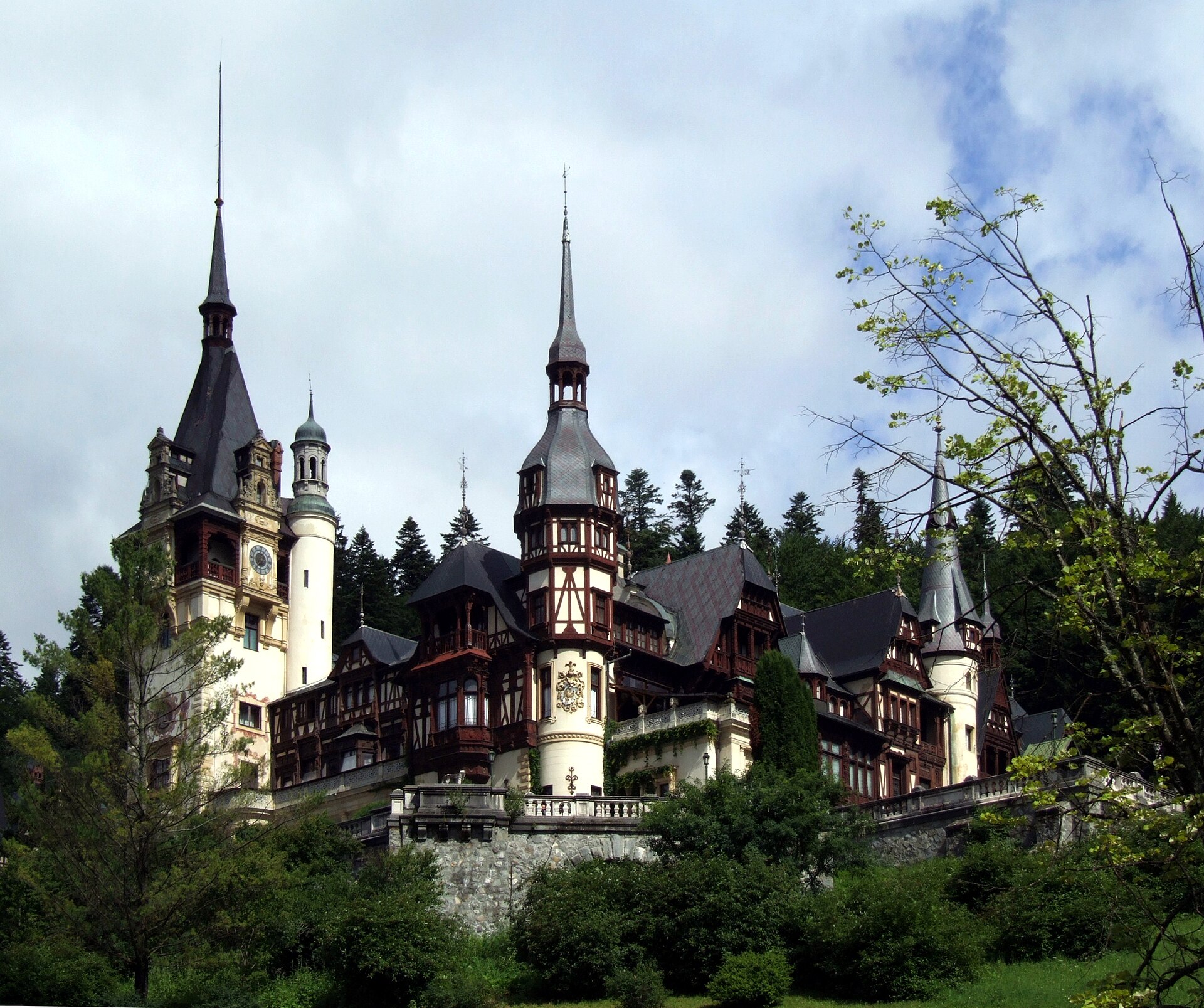
Peleș Castle is a royal residence whose architecture, collections, and early technology make the interior as important as the mountain setting. The page gives visitors a route through the Grand Hall, armory, salons, Throne Room, and other rooms while also explaining King Carol I’s role in the castle’s development.
Best Things to Do in Peleș Castle
Peleș Castle (Castelul Peleș) in Sinaia is widely considered one of the most beautiful castles in Europe — a neo-Renaissance masterpiece built for King Carol I of Romania (reigned 1866–1914). Construction began in 1873 and was largely complete by 1883, though decorative work continued until 1914. The result is a palace of extraordinary ambition: 160 rooms, 35 of which are open to the public, decorated in a dazzling array of styles from German Renaissance and Italian Quattrocento to Moorish, Turkish, Baroque, and Rococo.
Exploring Peleș Castle: Top Attractions & Hidden Gems
Peleș made history as the first castle in Europe with central electricity, installed in 1888, powered by the castle's own hydroelectric plant on the Peleș River. It also had central heating, running water, a central vacuum system, and an elevator — technological marvels that made it one of the most advanced residences of its era. The castle's collection is staggering: over 4,000 pieces of weapons and armor from Europe, Asia, and the Middle East in the Grand Armory; Murano glass chandeliers; Meissen porcelain; Cordoba leather wall coverings; hand-carved walnut paneling; and stained glass windows crafted by European masters. The Throne Room is a showpiece of German Baroque Revival design, with gilded stucco, a vast crystal chandelier, and a raised throne dais.
Local Culture & Food in Peleș Castle
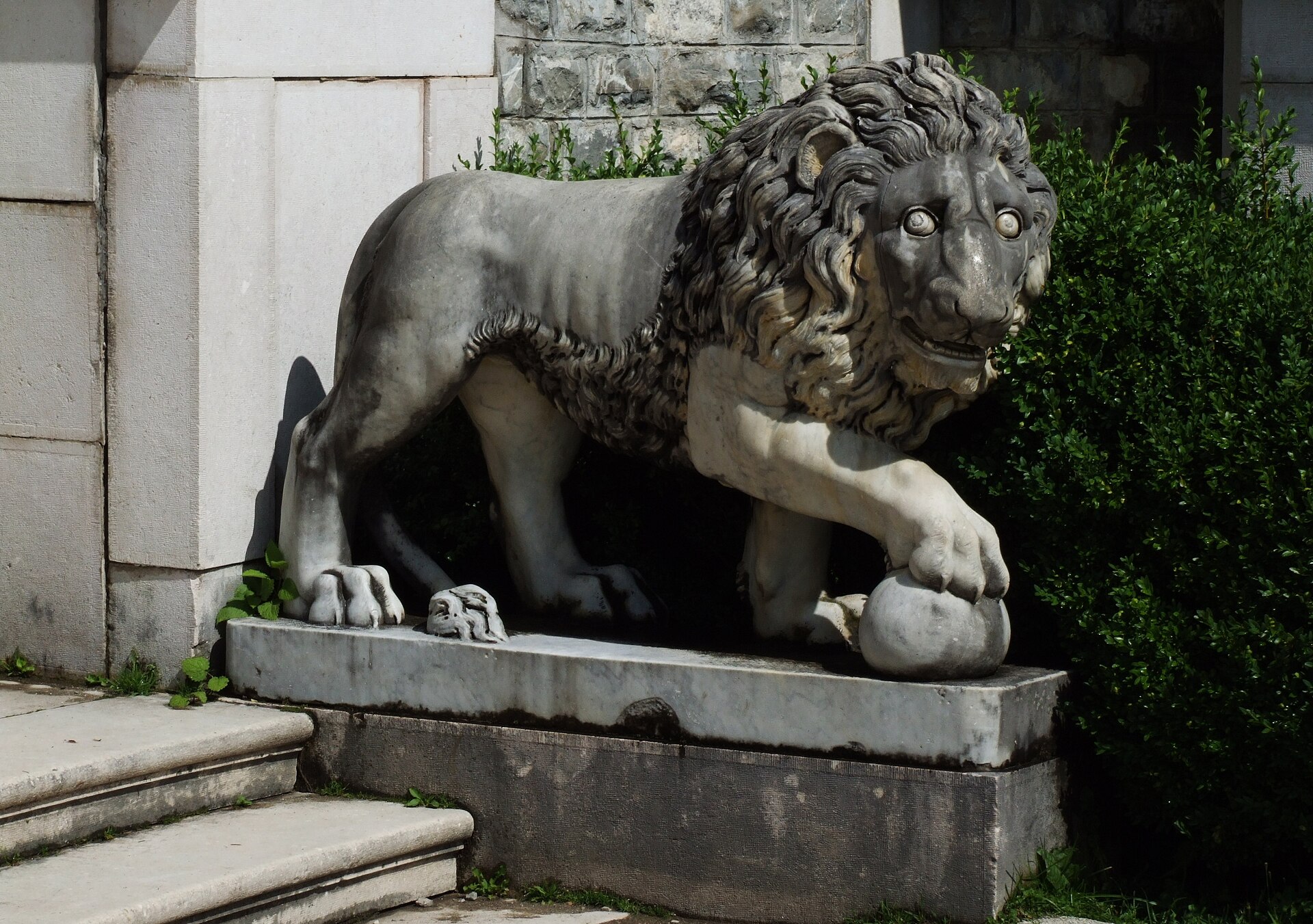
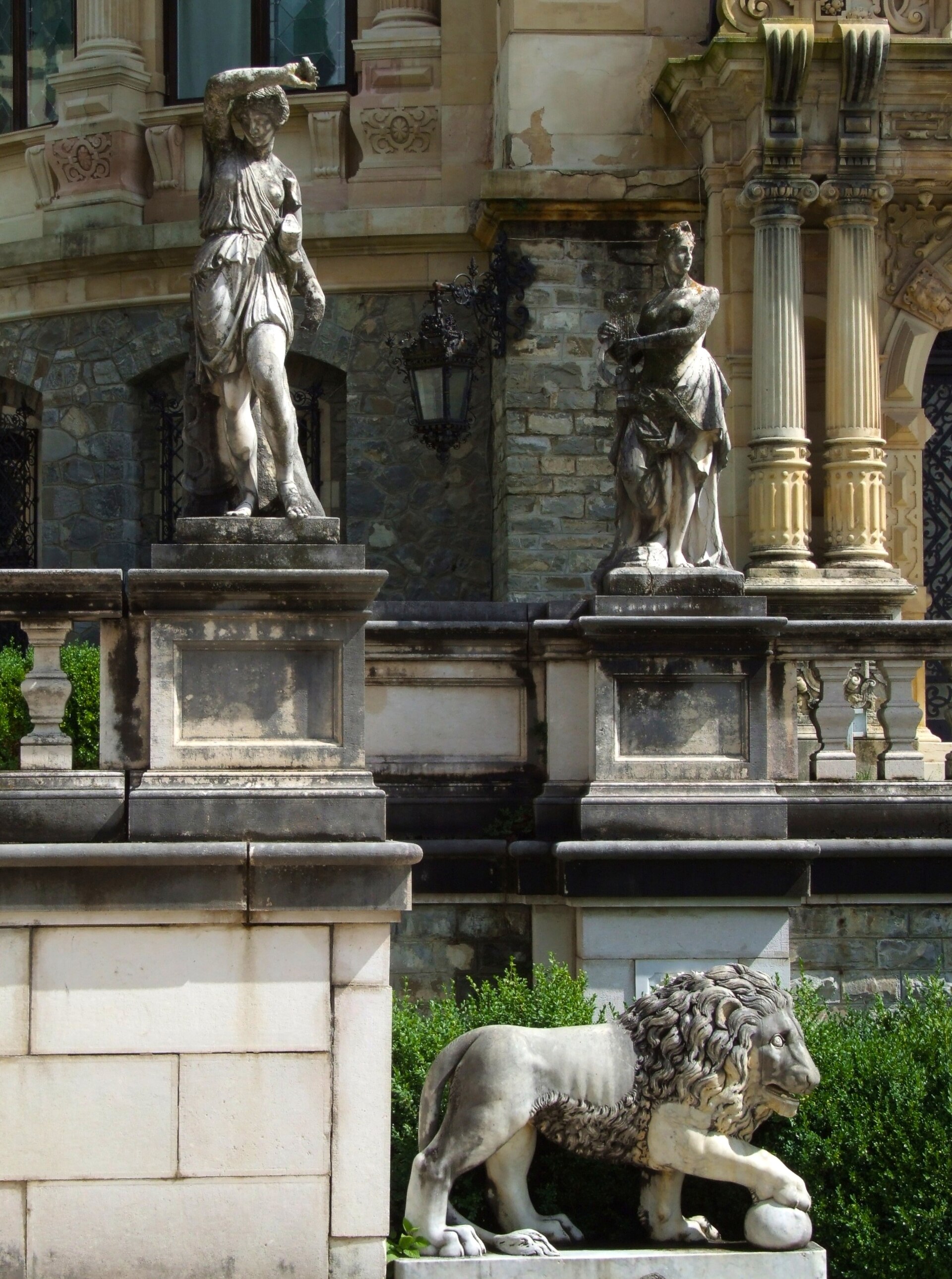
The Moorish Salon features intricate stucco arabesques, mother-of-pearl inlays, and a marble fountain. The Florentine Room is paneled entirely in hand-carved walnut, with a coffered ceiling and Renaissance-style fireplace. Outside, the castle is set in 18 hectares of terraced gardens, fountains, statues, and woodland paths leading to the smaller Pelișor Castle — an Art Nouveau jewel designed for King Ferdinand and Queen Marie, with its own distinct personality. Equally impressive: the Sinaia Monastery (1695), the Cazinoul Sinaia, and the Carpathian hiking trails that start right from the castle gates.
🗓 Best Time to Visit
The best months are May through October when the weather is pleasant and the gardens are in full bloom. However, this is also peak tourist season — book tickets online at least two weeks in advance for summer visits. For the smallest crowds, visit on a weekday in September or October, when the surrounding forests are turning gold and orange. The castle is closed on Mondays in summer (mid-May to mid-September) and on Monday and Tuesday in winter (mid-September to mid-May). Opening hours year-round are 9:15–17:00, with last entry at 16:15. November through April the castle sees far fewer visitors, and the winter snow on the Carpathian backdrop makes for stunning photographs. Note that the castle interior is not heated — dress warmly in cold weather.
🍽 Food & Drink — Where to Eat
Sinaia has an excellent dining scene to match its royal heritage. Restaurant Peleș (40–80 RON) is right at the castle complex, serving Romanian and Continental dishes on a terrace with valley views — convenient but can be busy at lunch. Coliba Haiducilor (35–70 RON) is a charming mountain-style restaurant with log cabin vibes, specializing in grilled meats, mămăligă, and hearty stews — a favorite with hikers. Taverna Sârbului (40–80 RON) offers an unexpected fusion of Serbian and Romanian cuisine — try their ćevapi (grilled minced meat) or pleskavica with kajmak, alongside Romanian wines. La Rătăcit (50–100 RON) is the more upscale option, known for its grilled pork chops, beef steak with truffle sauce, and an extensive wine list featuring Dealu Mare and Cotnari vintages. For coffee and cake, Casa Bunicii in Sinaia center (20–35 RON) serves excellent homemade desserts. Beer lovers should try bere Timișoreana, Romania's oldest beer brand, available everywhere.
🚗 How to Get to Peleș Castle by Bus, Car & Boat
Sinaia is located on the main road and rail line between Bucharest and Brașov, about 120 km north of the capital. By train: CFR runs frequent InterRegio trains from Bucharest (Gara de Nord) to Sinaia — the journey takes about 1.5 hours and costs roughly 40–60 RON. The Sinaia train station is a 20-minute uphill walk to the castle, or you can take the local minibus or a taxi for 10–15 RON. By car: Take DN1 (E60) from Bucharest toward Brașov — the winding mountain road through the Prahova Valley is scenic but can be congested on summer weekends. Parking near the castle costs 5–10 RON/hour or there is free parking at the edge of Sinaia with a short uphill walk. By tour: Most Bucharest-based tour operators offer Peleș Castle day trips that include transport and a guided tour, usually combined with Bran Castle. On foot: Once in Sinaia, everything is walkable — the castle, Pelișor, the Sinaia Monastery, and the Cazinoul are all within a 15-minute walk of each other.
🥘 Where to Eat in Peleș Castle: Authentic Local Cuisine
Sinaia has an excellent dining scene to match its royal heritage. Restaurant Peleș (40–80 RON) is right at the castle complex, serving Romanian and Continental dishes on a terrace with valley views — convenient but can be busy at lunch. Coliba Haiducilor (35–70 RON) is a charming mountain-style restaurant with log cabin vibes, specializing in grilled meats, mămăligă, and hearty stews — a favorite with hikers. Taverna Sârbului (40–80 RON) offers an unexpected fusion of Serbian and Romanian cuisine — try their ćevapi (grilled minced meat) or pleskavica with kajmak, alongside Romanian wines. La Rătăcit (50–100 RON) is the more upscale option, known for its grilled pork chops, beef steak with truffle sauce, and an extensive wine list featuring Dealu Mare and Cotnari vintages. For coffee and cake, Casa Bunicii in Sinaia center (20–35 RON) serves excellent homemade desserts. Beer lovers should try bere Timișoreana, Romania's oldest beer brand, available everywhere.
🏨 Where to Stay Near Peleș Castle
Sinaia has a wide range of accommodation, from grand Belle Époque hotels to modern guesthouses. Hotel Palace (400–700 RON/night) is the town's historic grand hotel, built in 1911, with high-ceilinged rooms and a spa — ideal for a luxurious castle-visit base. Hotel Rina Vista (250–400 RON) offers modern rooms with mountain views and is a short walk from the castle entrance. Pensiunea Casa Săsească (180–300 RON) is a cozy Saxon-style guesthouse with home-cooked breakfasts. Budget travelers will find hostels in the 80–120 RON range. For the most atmospheric experience, book a room at a guesthouse in the hills above Sinaia — waking up to Carpathian views and having the castle grounds nearly to yourself in the early morning is well worth the short extra walk. Important: parking is limited in the center during peak season; check if your hotel offers private parking.
Find a stay in Peleș Castle
Compare apartments, guesthouses, and vacation rentals while you finalize your route. Flexible cancellation can help when drive times or border plans change.
Browse stays in Peleș Castle on Vrbo →Accessibility
The page gives useful route and setting details, but it does not promise step-free access:
- A castle visit can include interior rooms, corridors, and different tour routes; the page does not confirm step-free access throughout.
- The surrounding Sinaia and mountain setting may involve outdoor paths or changes in level.
- Confirm current entrance arrangements, tour routing, lifts, and rest facilities with the castle before travelling if mobility access matters.
- Choose the tour scope only after checking the current route and the visitor’s tolerance for stairs or extended standing.
Common Mistakes
- Treating Peleș as a quick exterior photo stop and missing the rooms and collections described in the guide.
- Assuming all 160 rooms are open to visitors when the page says approximately 35 are open on standard routes.
- Planning around an old price or timetable without checking the official castle information before departure.
- Touching furniture, paneling, textiles, or objects inside the royal rooms.
- Ignoring the difference between Peleș and nearby Pelișor when deciding which ticket or route to follow.
Photography
The castle exterior, mountain setting, Grand Hall, armory, salons, and royal details provide distinct subjects across the visit. Inside, follow the castle’s current photography instructions and keep equipment clear of visitors and historic surfaces. Romania regulates drones — check current registration and flight rules with the Romanian Civil Aeronautical Authority (AACR) before flying.
Etiquette
A few low-impact habits fit this destination:
- Following the castle’s current photography and interior-visit instructions is customary.
- Keeping voices low in royal rooms and allowing other visitors space is considerate.
- Asking before photographing staff or other visitors is common courtesy.
- Staying behind barriers protects the woodwork, textiles, and collections.
- It is often appropriate to dress neatly for a historic royal residence and to follow any posted restrictions.
Frequently Asked Questions
How much does it cost to visit Peleș Castle?
Ground Floor (standard) tour: 60–70 RON adults. Full Castle (both floors): 100–120 RON. Combined Peleș + Pelișor ticket: 150–200 RON. Students: 15–30 RON. Photo permit (no flash): 35–50 RON. Prices vary seasonally. The optional Pelișor Castle add-on is well worth it for Art Nouveau fans.
When is Peleș Castle open and when is it closed?
Summer (mid-May to mid-September): Tuesday–Sunday 9:15–17:00, closed Mondays. Winter (mid-September to mid-May): Wednesday–Sunday 9:15–17:00, closed Monday and Tuesday. Last entry is 45 minutes before closing. The castle is also closed on certain public holidays. Always check the official website before visiting.
Was Peleș Castle really the first European castle with electricity?
Yes — Peleș Castle was the first castle in Europe to have central electricity, installed in 1888. It generated its own power via a private hydroelectric plant on the Peleș River. It also had central heating, running water, a central vacuum system, and an early elevator — all cutting-edge for the late 19th century.
How many rooms are open to the public at Peleș Castle?
The castle has 160 rooms total, of which approximately 35 are open to visitors on the two standard tour routes. The Ground Floor tour covers the Grand Hall, the Armory (4,000+ pieces), the Moorish Salon, the Florentine Room, and the Music Room. The Full Castle tour adds the upper floors including the Throne Room, the Imperial Suite, and the Turkish Salon.
What restaurants are near Peleș Castle in Sinaia?
Restaurant Peleș (on-site, 40–80 RON) serves Romanian and international dishes with castle views. Coliba Haiducilor (35–70 RON) is a cozy mountain-style restaurant in Sinaia center. Taverna Sârbului (40–80 RON) offers Serbian-Romanian fusion. La Rătăcit (50–100 RON) is the local favorite for grilled meats and Romanian classics with a modern twist.
🗺️ Build a route around Peleș Castle: Add Peleș Castle to my itinerary. It opens the planner with this stop selected, so you can add nearby places and set the trip length.
Plan your budget
For country-level budget ranges and planning assumptions, see the Balkan travel costs guide.