
Sarmizegetusa Regia
Sarmizegetusa Regia at a Glance
| Country | Romania |
| Best time | May–October |
| Recommended stay | 1–2 Days |
| Top highlight | Archaeological Site |
| Transit hub | Regional bus network |
Why Visit Sarmizegetusa Regia
Walk through the ancient Dacian capital in the Orăștie Mountains.
See the fortifications, sanctuaries, limestone ramparts, and Andesite Sun altar.
Allow time for the forest setting and the site’s large 280-hectare footprint.
Best Things to Do in Sarmizegetusa Regia
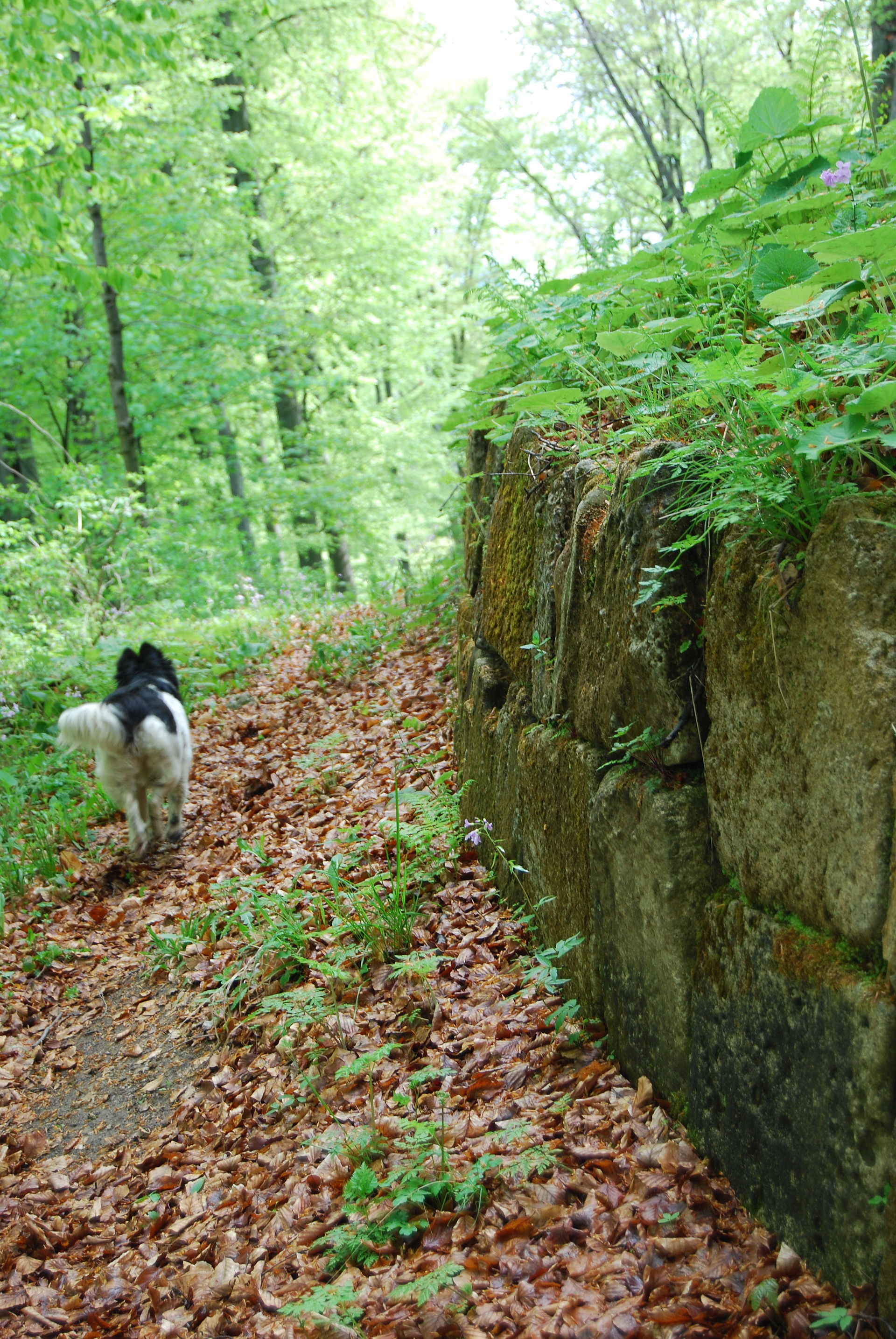
The ancient capital of the Dacian kingdom, Sarmizegetusa Regia is a UNESCO World Heritage site located deep in the forests of the Orăștie Mountains, which offers a fascinating window into the sophisticated civilization that rivaled Rome before Trajan's conquest in 106 AD. Unlike the later Roman city of Ulpia Traiana Sarmizegetusa, this is the original Dacian capital — a sacred and political center hidden in the misty mountains, deliberately secluded for defensive purposes. The site covers a vast area of over 280 hectares and includes an intricate system of fortifications, sanctuaries, and limestone ramparts built using the advanced murus dacicus construction technique.
Exploring Sarmizegetusa Regia: Top Attractions & Hidden Gems
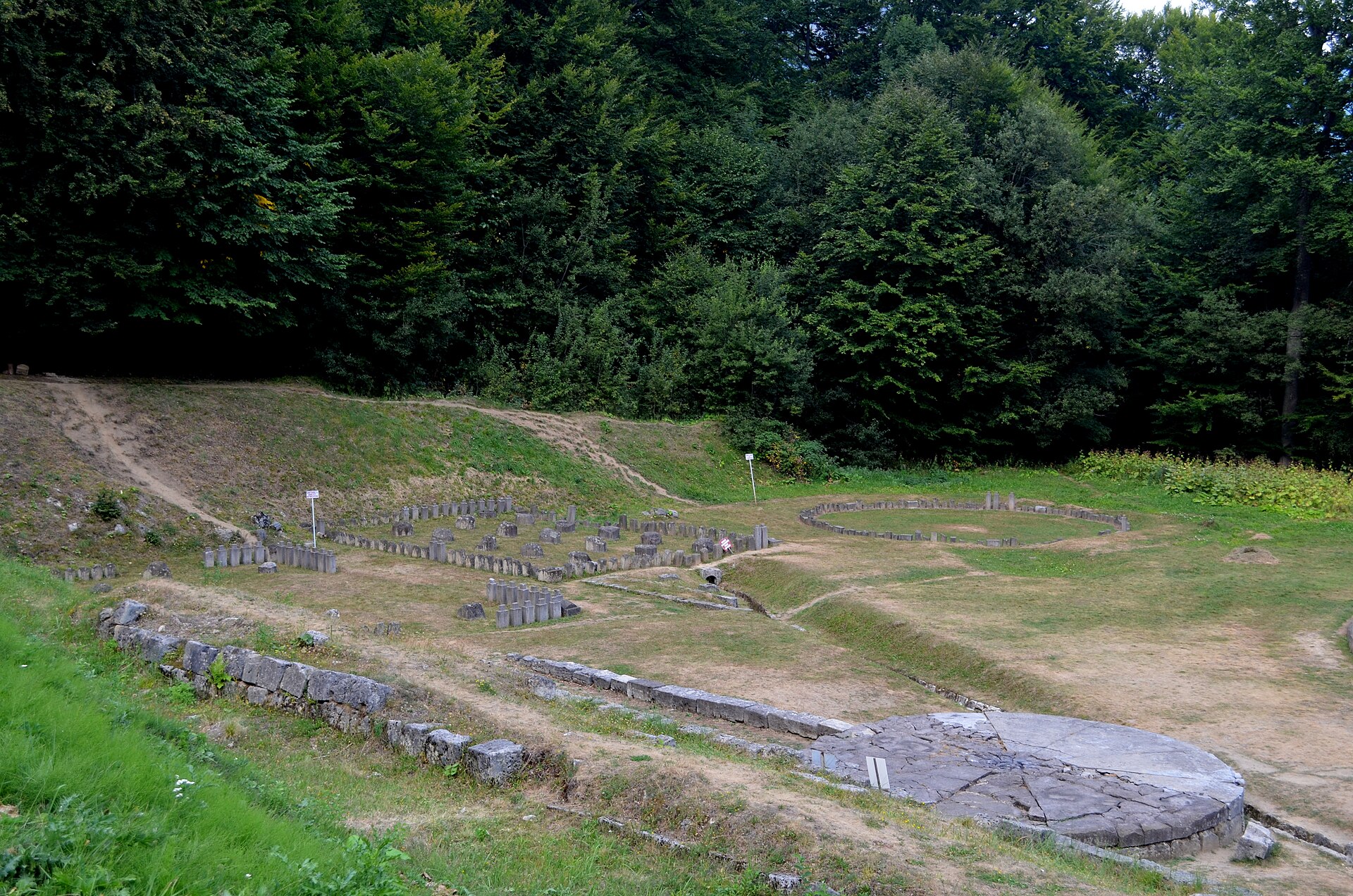
The most remarkable structure is the large circular sanctuary (the 'round temple'), consisting of a horseshoe-shaped row of andesite columns arranged in concentric circles, believed by archaeologists to have been used for astronomical observations and religious ceremonies, with alignments corresponding to celestial events such as the solstices and equinoxes. The Andesite Sun altar (Altarul de Andezit), a massive carved stone disk with a central circular depression, was the ceremonial heart of the Dacian religion where sacred rituals were performed. The complex also includes a rectangular sanctuary, a small circular sanctuary, and the remains of terraced houses, workshops, and storage buildings that once bustled with activity.
Local Culture & Food in Sarmizegetusa Regia
The Dacian fortresses — including Costești-Cetățuie, Blidaru, Piatra Roșie, and Bănița — form a defensive ring around the capital, all connected by a network of ancient roads. The site is reached via a scenic forest road from the village of Grădiștea de Munte, followed by a walk through pristine woodland that adds to the sense of discovery. The on-site museum displays artifacts including pottery, iron tools, weapons, and jewelry unearthed during excavations. The surrounding Orăștie Mountains offer excellent hiking, and the nearby Șureanu Mountains provide opportunities for wildlife viewing in one of Romania's most pristine natural areas.
🗓 Best Time to Visit
May to October. Romania has a temperate continental climate with distinct seasons. The Carpathians offer skiing December-March and hiking June-September. Transylvania is enchanting in autumn (September-October) when the forests turn gold. The Danube Delta is best May-September for wildlife. Bucharest is pleasant April-June and September-October.
🍽 Food & Drink
Eating in Sarmizegetusa Regia centers around traditional family recipes and regional ingredients — historic stone buildings house traditional restaurants where you can taste local recipes passed down through generations. Local dishes include: mici (grilled minced meat rolls — a national obsession), sarmale (cabbage rolls stuffed with meat and rice), ciorbă de burtă (tripe soup), mămăligă (polenta — served with everything), and cozonac (sweet walnut-filled bread). For drinks, try Romanian wines (especially from Cotnari, Murfatlar, and Dealu Mare regions), țuică (plum brandy), and bere (beer — Ursus and Timișoreana are popular).
🚗 How to Get to Sarmizegetusa Regia by Bus, Car & Boat
By car: Well-connected by regional roads. Parking is available on the outskirts. By bus: Regular bus services from the nearest cities. Walking: Sarmizegetusa Regia is compact and best explored on foot. In Bucharest, the metro is efficient and cheap (about €0.50 per ride). Buses, trams, and trolleybuses cover the city. Uber and Bolt operate in major cities. Taxis can be unreliable — use ride-hailing apps.
🥘 Where to Eat in Sarmizegetusa Regia: Authentic Local Cuisine
While Sarmizegetusa Regia itself may not have extensive dining options, the nearby towns and villages offer excellent restaurants serving traditional regional cuisine. Many historical sites have a cafe or snack bar for light refreshments, but the real culinary experiences await in the surrounding settlements. Look for traditional konobe (taverns) and family-run restaurants where recipes have been passed down through generations. These establishments often use ingredients sourced from local farms and producers — fresh cheeses, cured meats, seasonal vegetables, and artisan breads. For a memorable experience, book a table at a restaurant with views overlooking the historical site, especially at sunset when the ancient stones glow golden. Local wineries near archaeological sites often offer tastings paired with regional specialties. Pack a picnic to enjoy on the grounds of the site itself — there's something special about eating surrounded by millennia of history. Romanian cuisine is hearty and diverse — sarmale (cabbage rolls), mămăligă (polenta), mici (grilled sausages), and excellent wines from Dealu Mare and Cotnari.
🏨 Best Hotels Near Sarmizegetusa Regia
Accommodation options vary by season and location. Book ahead for summer weekends and major local events.
Find a stay in Sarmizegetusa Regia
Compare apartments, guesthouses, and vacation rentals while you finalize your route. Flexible cancellation can help when drive times or border plans change.
Browse stays in Sarmizegetusa Regia on Vrbo →Accessibility
- The archaeological site covers extensive natural terrain and may have uneven paths.
- The page does not specify step-free access to sanctuaries or forest routes.
- Confirm current access and weather conditions before visiting.
Common Mistakes
- Treating the site as a compact museum.
- Wearing unsuitable shoes on forest and archaeological paths.
- Touching or climbing historic stonework.
- Visiting without allowing for mountain weather.
Photography
- Use the forest to frame the sanctuaries and ramparts.
- Look for the round sanctuary’s geometry.
- Photograph the Andesite Sun altar without obstructing other visitors.
- Romania regulates drones — check current registration and flight rules with the Romanian Civil Aeronautical Authority (AACR) before flying.
Etiquette
- Stay on marked paths.
- Do not climb or touch historic structures.
- Leave no waste.
- Respect archaeological restrictions.
- Keep voices low near other visitors.
Frequently Asked Questions
When is the best time to visit Sarmizegetusa Regia?
May to October. Romania has a temperate continental climate with distinct seasons. The Carpathians offer skiing December-March and hiking June-September. Transylvania is enchanting in autumn (September-October) when the forests turn gold. The Danube Delta is best May-September for wildlife. Bucharest is pleasant April-June and September-October.
How do I get to Sarmizegetusa Regia?
By car: Well-connected by regional roads. Parking is available on the outskirts. By bus: Regular bus services from the nearest cities. Walking: Sarmizegetusa Regia is compact and best explored on foot. In Bucharest, the metro is efficient and cheap (about €0.50 per ride). Buses, trams, and trolleybuses cover the city.
How many days do you need in Sarmizegetusa Regia?
A visit to Sarmizegetusa Regia can be tailored to your interests. The ancient capital of the Dacian kingdom, Sarmizegetusa Regia is a UNESCO World Heritage site located deep in the forests of the Orăștie Mountains, which offers a fascinating window into the sophisti.
What is Sarmizegetusa Regia known for?
The ancient capital of the Dacian kingdom, Sarmizegetusa Regia is a UNESCO World Heritage site located deep in the forests of the Orăștie Mountains, which offers a fascinating window into the sophisticated civilization that rivaled Rome before Trajan's conquest in 106 AD.
Where should I stay in Sarmizegetusa Regia?
While Sarmizegetusa Regia itself is primarily a heritage attraction, the nearest town or city offers a range of accommodation options to suit every budget. Look for hotels and guesthouses that provide easy access to the site — many offer shuttle services or are within walking distance.
🗺️ Build a route around Sarmizegetusa Regia: Add Sarmizegetusa Regia to my itinerary. It opens the planner with this stop selected, so you can add nearby places and set the trip length.
Plan your budget
For country-level budget ranges and planning assumptions, see the Balkan travel costs guide.