
Vidraru Dam
Vidraru Dam at a Glance
| Country | Romania |
| Setting | Argeș River and Făgăraș Mountains |
| Known for | 166-metre dam, Lake Vidraru, Prometheus statue, and Transfăgărășan scenery |
| Best time to visit | June–October |
| Planning note | The page combines the dam, lake, viewpoint, statue, and mountain-road context |
Why Visit Vidraru Dam
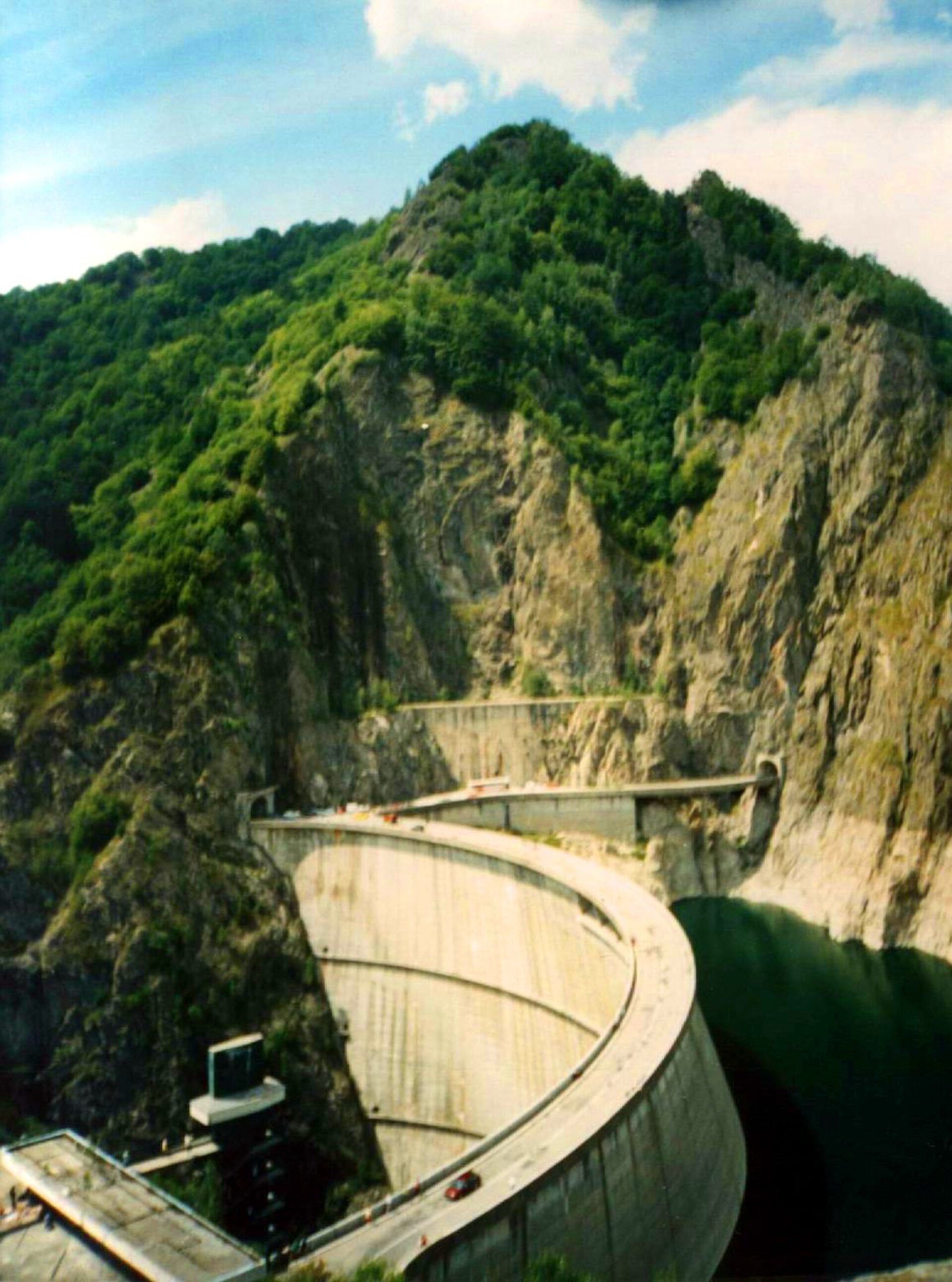
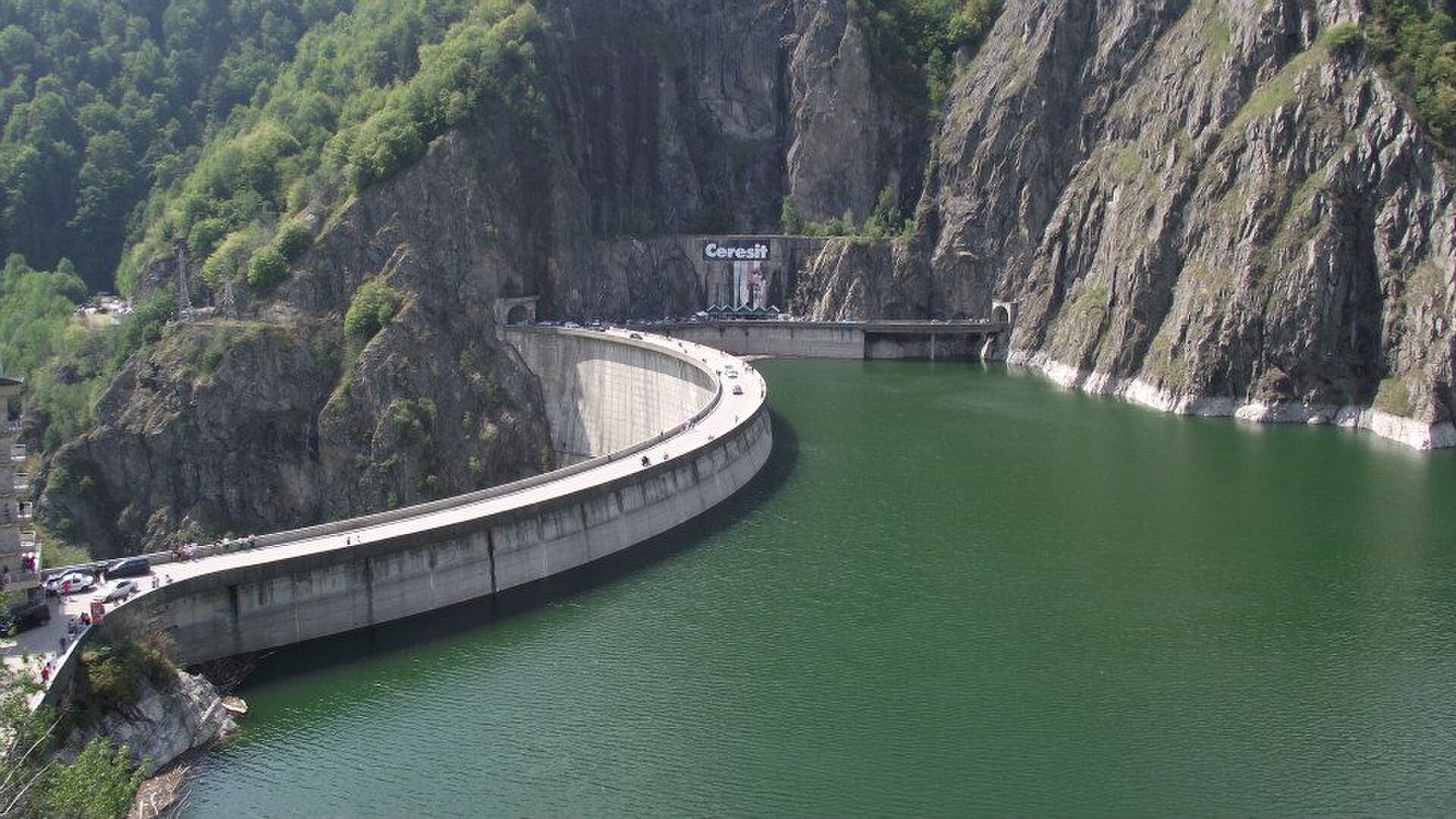
Vidraru Dam pairs a major concrete arch structure with Lake Vidraru, the Prometheus statue, and the mountain landscape of the Transfăgărășan route. The page supports a visit that looks at both the engineering story and the viewpoints around the lake rather than treating the dam as a single photograph.
Best Things to Do in Vidraru Dam
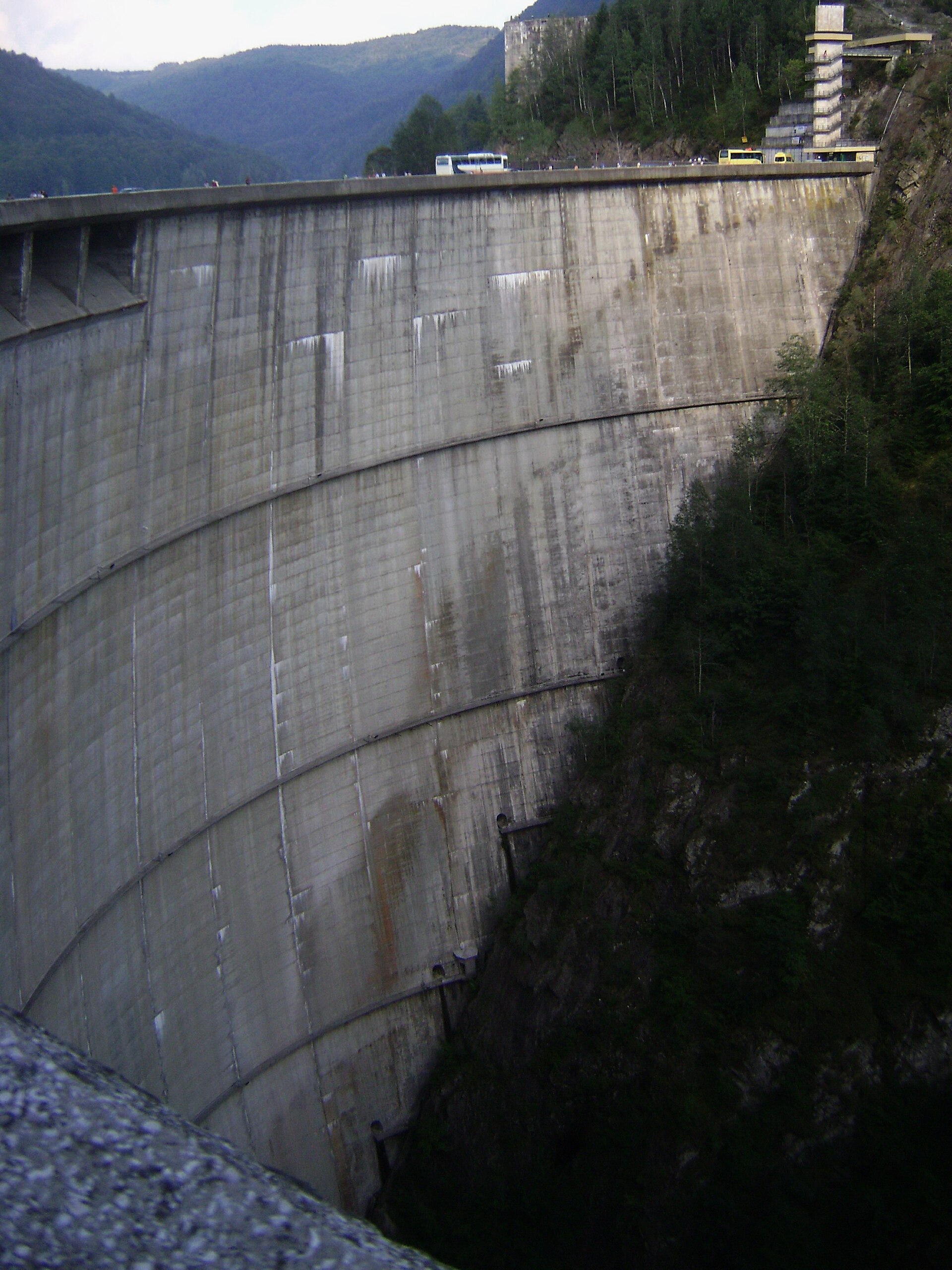
An engineering marvel of the Ceaușescu era, the Vidraru Dam stands 166 meters tall on the Argeș River, creating one of the most dramatic landscapes along the legendary Transfăgărășan Highway route. Completed in 1965 after five years of construction, the dam is a double-curvature concrete arch structure that was the fifth tallest in Europe at the time of its inauguration. Its construction required the labor of thousands of workers and the relocation of entire villages that now lie beneath the waters of Lake Vidraru, which stretches 10 kilometers upstream and holds 465 million cubic meters of water.
Exploring Vidraru Dam: Top Attractions & Hidden Gems
The dam generates hydroelectric power through an underground powerhouse equipped with four turbines, harnessing the Argeș River's flow through a 1.5-kilometer pressure tunnel. The most iconic feature of the site is the Prometheus statue (Statuia lui Prometeu), a 20-meter-tall aluminum figure mounted on the hillside above the dam, representing the mythical Titan who stole fire from the gods — an apt symbol for the harnessing of nature's power. Created by sculptor Romulus Ladea, the statue has become an enduring symbol of Romanian engineering ambition.
Local Culture & Food in Vidraru Dam
The viewpoint at the dam crest offers impressive vistas of the lake winding through the forested mountains, while the reservoir itself invites visitors to take boat trips, kayak, or enjoy the impressive scenery from the shoreline restaurants. Poenari Castle (Cetatea Poenari), the ruined fortress perched on a cliff 1,480 steps above the dam, was a genuine stronghold of Vlad the Impaler and offers a spectacular side trip for those willing to climb. The castle is far more historically authentic than Bran Castle in its association with Vlad, and the panoramic views from the top encompass the entire dam and reservoir. Lake Vidraru is also popular for fishing, camping, and swimming in designated areas, making it a favorite summer destination for Romanian families.
🗓 Best Time to Visit
June to October. Romania has a temperate continental climate with distinct seasons. The Carpathians offer skiing December-March and hiking June-September. Transylvania is enchanting in autumn (September-October) when the forests turn gold. The Danube Delta is best May-September for wildlife. Bucharest is pleasant April-June and September-October.
🍽 Food & Drink
Romanian cuisine is hearty and diverse, with strong Eastern European, Balkan, and Hungarian influences — soups, grilled meats, polenta, and sour cream feature prominently. Local dishes include: mici (grilled minced meat rolls — a national obsession), sarmale (cabbage rolls stuffed with meat and rice), ciorbă de burtă (tripe soup), mămăligă (polenta — served with everything), and cozonac (sweet walnut-filled bread). For drinks, try Romanian wines (especially from Cotnari, Murfatlar, and Dealu Mare regions), țuică (plum brandy), and bere (beer — Ursus and Timișoreana are popular).
🚗 How to Get to Vidraru Dam by Bus, Car & Boat
Trains (CFR) connect all major cities — the 'InterRegio' trains are modern and comfortable. Buses are faster for shorter routes. Domestic flights link Bucharest with Cluj, Timișoara, and Iași. Car rental offers the most freedom. In Bucharest, the metro is efficient and cheap (about €0.50 per ride). Buses, trams, and trolleybuses cover the city. Uber and Bolt operate in major cities. Taxis can be unreliable — use ride-hailing apps.
🥘 Where to Eat in Vidraru Dam: Authentic Local Cuisine
Vidraru Dam has dining options ranging from traditional local restaurants to cafes and international cuisine. The main pedestrian streets and central squares are where you'll find the highest concentration of restaurants, but venturing into residential neighborhoods often rewards you with more authentic and affordable meals. Local bakeries and street food stalls are perfect for quick bites — try regional specialties like savory pies, grilled meats, and fresh pastries. For a proper sit-down meal, look for restaurants that specialize in regional cuisine, where the menu changes with the seasons and ingredients come from local producers. Wine bars and gastro pubs have been growing in popularity, which offers curated selections of local wines and creative small plates. The local market is an excellent spot for lunch, with food stalls serving freshly prepared dishes at reasonable prices. Many restaurants offer business lunch specials on weekdays — the most affordable way to sample quality local cooking. Romanian cuisine is hearty and diverse — sarmale (cabbage rolls), mămăligă (polenta), mici (grilled sausages), and excellent wines from Dealu Mare and Cotnari.
🏨 Best Hotels in Vidraru Dam
Vidraru Dam offers many accommodation to suit all travel styles and budgets. In the city center, you'll find everything from stylish boutique hotels and well-known international chains to budget-friendly hostels and private apartments. For a more local experience, consider staying in residential neighborhoods where family-run guesthouses offer warm hospitality and homemade breakfasts at a fraction of the center's prices. Mid-range hotels typically include breakfast and offer excellent value, with many with rooftop terraces, wellness areas, and on-site restaurants. Business hotels cater to professionals but often offer weekend discounts for leisure travelers. For extended stays, serviced apartments with kitchenettes provide flexibility and space. Most centrally located hotels put you within walking distance of the main attractions, restaurants, and public transport links. Romania offers accommodation from grand historic hotels in Bucharest to cozy guesthouses in Transylvania, mountain cabins in the Carpathians, and castle stays.
Find a stay in Vidraru Dam
Compare apartments, guesthouses, and vacation rentals while you finalize your route. Flexible cancellation can help when drive times or border plans change.
Browse stays in Vidraru Dam on Vrbo →Accessibility
The page gives useful route and setting details, but it does not promise step-free access:
- The dam, crest viewpoint, statue, and mountain-road setting have different surfaces and elevations; the page does not confirm step-free access to each point.
- The guide describes a highland outdoor destination, so confirm current road, viewpoint, and facility conditions before travelling.
- Ask the relevant site or accommodation about parking, drop-off, toilets, and accessible routes if mobility support is needed.
- Separate the dam viewpoint from any longer mountain outing so the plan can be shortened if conditions or surfaces are difficult.
Common Mistakes
- Stopping only at the dam and missing Lake Vidraru, the Prometheus statue, and the surrounding viewpoints.
- Treating the Transfăgărășan route as a guaranteed year-round connection instead of checking current road conditions.
- Approaching restricted engineering areas or leaving marked viewpoints for a closer photograph.
- Planning a mountain visit without water, weather layers, and a route suitable for the day’s conditions.
- Assuming the lake, dam crest, and statue have identical access arrangements.
Photography
The dam crest, Lake Vidraru, Prometheus statue, and mountain road provide different scales for engineering and landscape photographs. Work from permitted viewpoints and keep equipment away from restricted infrastructure. Romania regulates drones — check current registration and flight rules with the Romanian Civil Aeronautical Authority (AACR) before flying.
Etiquette
A few low-impact habits fit this destination:
- Staying within marked public viewpoints and away from restricted infrastructure is essential courtesy.
- Keeping voices and music low at viewpoints helps other visitors enjoy the landscape.
- Asking before photographing staff or other visitors is considerate.
- Taking rubbish away from the lake and mountain viewpoints is customary.
- Following current road, trail, weather, and site instructions is common mountain etiquette.
Frequently Asked Questions
When is the best time to visit Vidraru Dam?
June to October. Romania has a temperate continental climate with distinct seasons. The Carpathians offer skiing December-March and hiking June-September. Transylvania is enchanting in autumn (September-October) when the forests turn gold. The Danube Delta is best May-September for wildlife. Bucharest is pleasant April-June and September-October.
How do I get to Vidraru Dam?
Trains (CFR) connect all major cities — the 'InterRegio' trains are modern and comfortable. Buses are faster for shorter routes. Domestic flights link Bucharest with Cluj, Timișoara, and Iași. Car rental offers the most freedom. In Bucharest, the metro is efficient and cheap (about €0.50 per ride). Buses, trams, and trolleybuses cover the city.
How many days do you need in Vidraru Dam?
A visit to Vidraru Dam can be tailored to your interests. An engineering marvel of the Ceaușescu era, the Vidraru Dam stands 166 meters tall on the Argeș River, creating one of the most dramatic landscapes along the legendary Transfăgărășan Highway route.
What is Vidraru Dam known for?
An engineering marvel of the Ceaușescu era, the Vidraru Dam stands 166 meters tall on the Argeș River, creating one of the most dramatic landscapes along the legendary Transfăgărășan Highway route.
Where should I stay in Vidraru Dam?
Vidraru Dam offers many accommodation to suit all travel styles and budgets. In the city center, you'll find everything from stylish boutique hotels and well-known international chains to budget-friendly hostels and private apartments.
🗺️ Build a route around Vidraru Dam: Add Vidraru Dam to my itinerary. It opens the planner with this stop selected, so you can add nearby places and set the trip length.
Plan your budget
For country-level budget ranges and planning assumptions, see the Balkan travel costs guide.