

Dupcin
Dupcin at a Glance
| Country | North Macedonia |
| Best time | April–October |
| Recommended stay | 1–2 Days |
| Top highlight | Historic Village |
| Transit hub | Regional bus network |
Why Visit Dupcin
Swim and watch birds around shallow, warm Dojran Lake.
See the shoreline’s therapeutic black-mud tradition as described on the page.
Use Dupcin as a quiet eastern-North Macedonia lake stop.
Best Things to Do in Dupcin
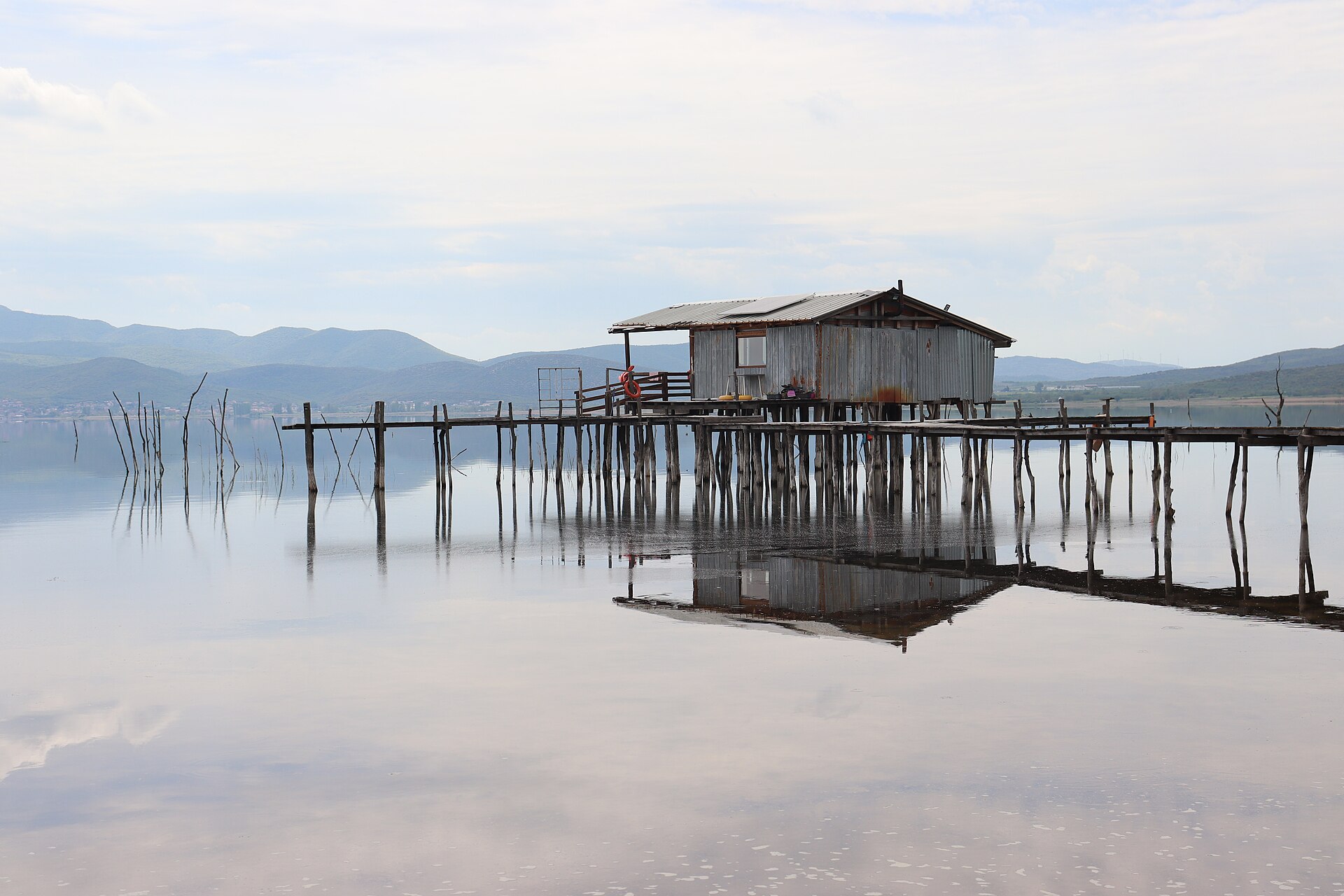
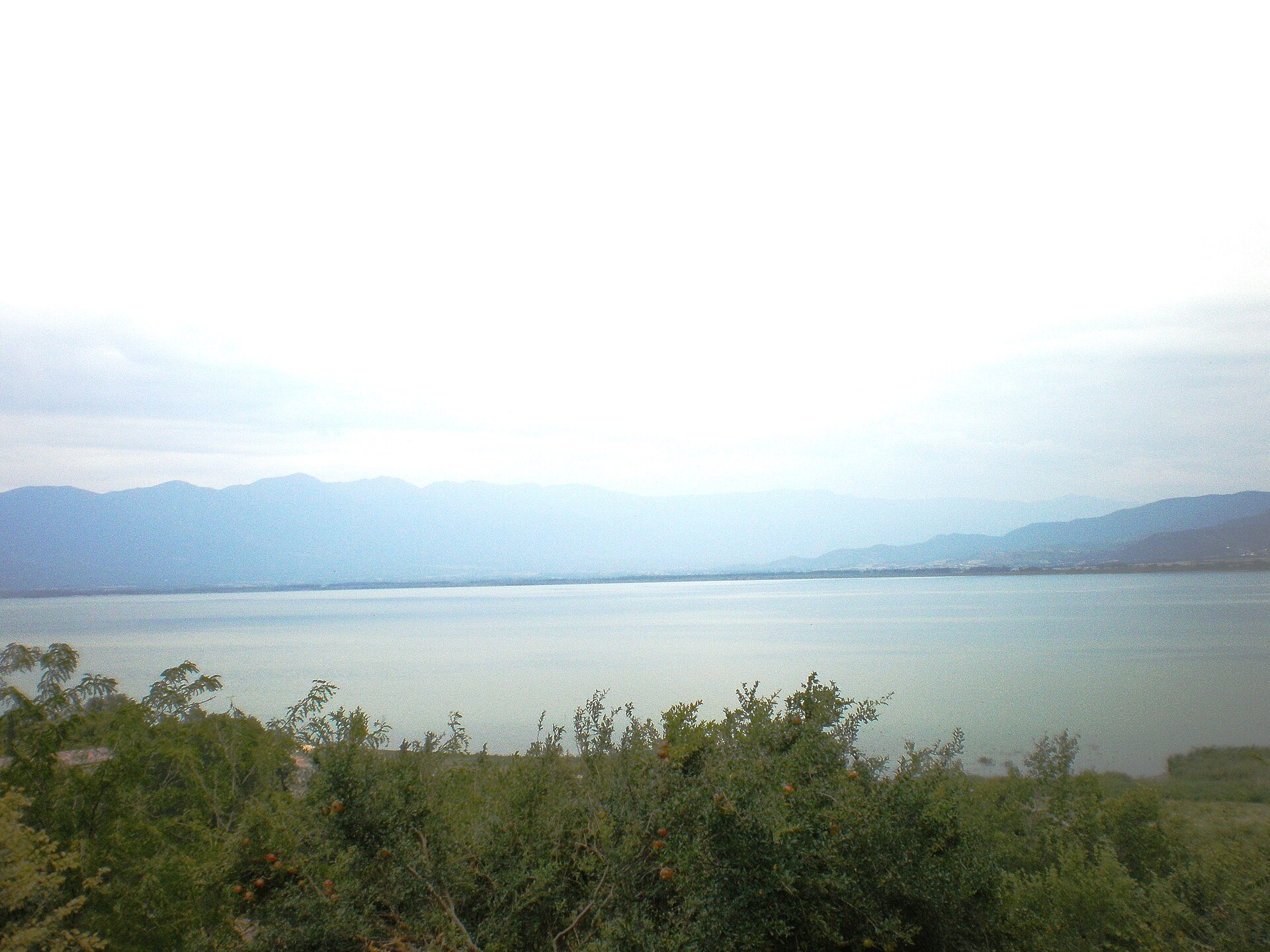
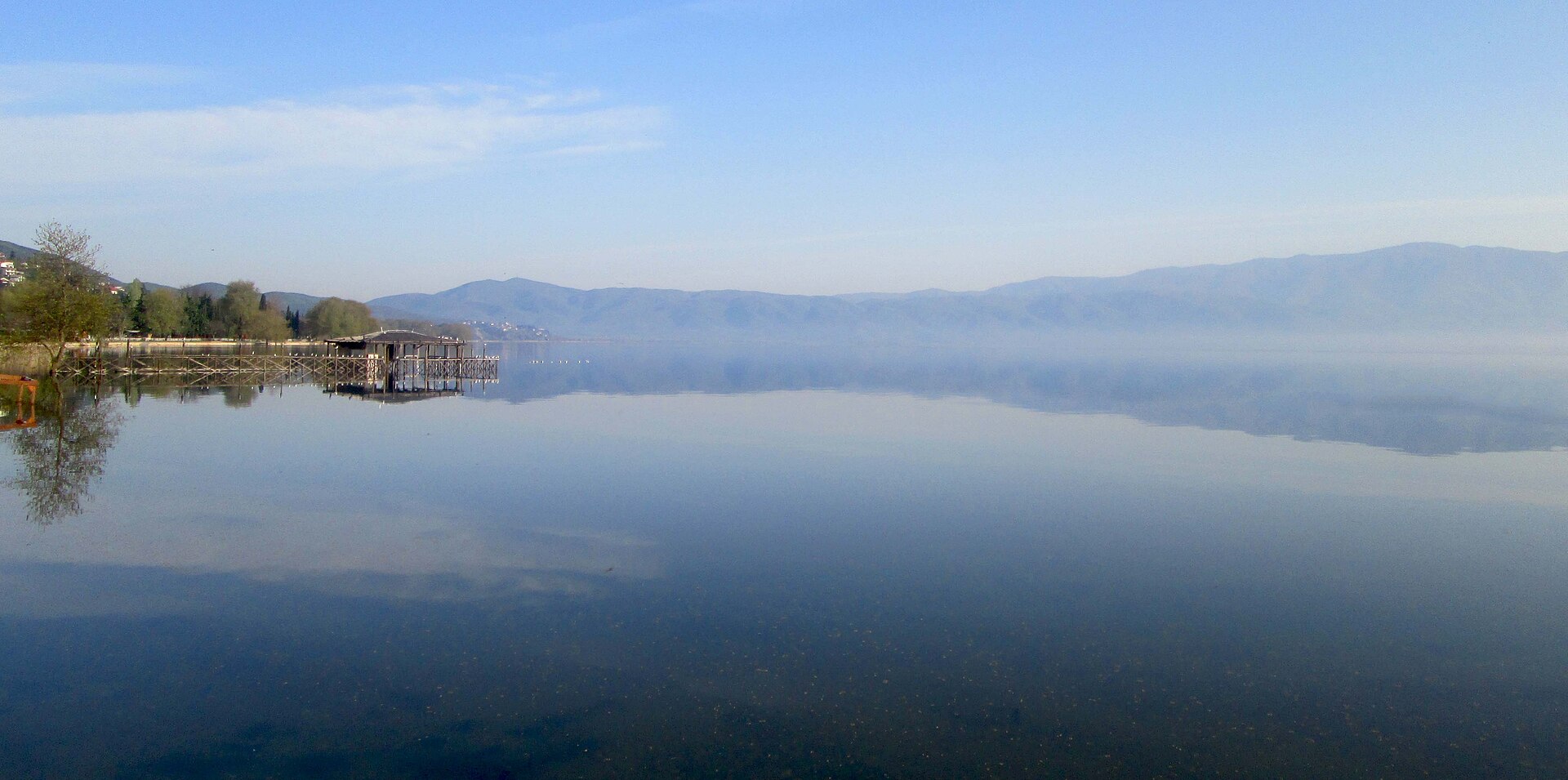
Nestled on the shores of the ancient Dojran Lake, the area around Dojran — known historically as Doberos in antiquity — is one of North Macedonia's most tranquil, unspoiled, and underrated natural retreats, which offers a peaceful escape from more touristy destinations. Dojran Lake is the smallest of North Macedonia's three tectonic lakes (after Ohrid and Prespa), but it has a uniquely warm, shallow ecosystem — it reaches a maximum depth of just 10 meters — that makes it the warmest swimming lake in the country, with water temperatures reaching a pleasant 28°C in summer, perfect for long, lazy days of swimming and relaxation. The lake's warm, mineral-rich waters support a distinctive ecosystem and have created deposits of therapeutic black mud along the shoreline, rich in minerals and organic compounds that have been used for healing since Roman times.
Exploring Dupcin: Top Attractions & Hidden Gems
Visitors can still apply this natural black mud as a free spa treatment — scoop it from the shallow lakebed, spread it over the skin, let it dry in the warm sun for 15-20 minutes, and rinse off in the lake for skin that feels silky, smooth, and rejuvenated. Dojran is a true paradise for birdwatchers and nature lovers: the lake sits on the Via Aristotelis migration route — one of the major bird migration corridors in Europe — and over 140 species of migratory birds stop here to rest and feed, including spectacular white and Dalmatian pelicans, elegant herons and egrets, cormorants, and a variety of ducks, geese, and wading birds. Spring and autumn are the peak seasons for birdwatching, when the skies and shores are filled with avian activity. The traditional fishing villages along the lake's eastern shore maintain a centuries-old fishing culture, with local fishermen still using distinctive techniques and equipment — including the traditional wooden boats and specialized nets — that have been passed down through generations.
Local Culture & Food in Dupcin
The local cuisine naturally features fresh fish from the lake, particularly the delicious Dojran carp, prepared grilled or in a traditional stew with vegetables and herbs. The nearby archaeological site of ancient Doberos reveals the area's Hellenistic and Roman history, with ruins that speak to continuous habitation stretching back over 6,000 years. Despite its natural beauty, therapeutic qualities, and rich birdlife, Dojran remains blissfully uncrowded and undeveloped, which offers a slow-paced, authentic retreat from modern life. The gentle lapping of the warm lake water, the spectacular bird displays, and the genuine hospitality of the local people make Dojran a perfect place to unwind and reconnect with nature.
🗓 Best Time to Visit
April to October. The best time to visit is May-September when the weather is warmest. Spring and autumn offer pleasant temperatures for city sightseeing, while the mountains are ideal for hiking from June to September. Lake Ohrid is at its best between May and October.
🍽 Food & Drink
Eating in Dupcin centers around traditional family recipes and regional ingredients — historic stone buildings house traditional restaurants where you can taste local recipes passed down through generations. Local dishes include: ajvar (roasted red pepper spread — eaten with everything), tavče gravče (baked beans in a clay pot — the national dish), shopska salata (chopped salad with white cheese), kebapi (grilled meat sausages), and pastrmajlija (an oval bread boat topped with cubed meat and eggs). For drinks, try local Vranec and Temjanika wines, mastika (anise liqueur), and rakija.
🚗 How to Get to Dupcin by Bus, Car & Boat
By car: Well-connected by regional roads. Parking is available on the outskirts. By bus: Regular bus services from the nearest cities. Walking: Dupcin is compact and best explored on foot. In Skopje, city buses and a new bus rapid transit system cover the city. Taxis are very affordable (€0.50-1 per km). Walking is best in Ohrid and Bitola. Always confirm taxi fare before riding.
🥘 Where to Eat in Dupcin: Authentic Local Cuisine
Dupcin has dining options ranging from traditional local restaurants to cafes and international cuisine. The main pedestrian streets and central squares are where you'll find the highest concentration of restaurants, but venturing into residential neighborhoods often rewards you with more authentic and affordable meals. Local bakeries and street food stalls are perfect for quick bites — try regional specialties like savory pies, grilled meats, and fresh pastries. For a proper sit-down meal, look for restaurants that specialize in regional cuisine, where the menu changes with the seasons and ingredients come from local producers. Wine bars and gastro pubs have been growing in popularity, which offers curated selections of local wines and creative small plates. The local market is an excellent spot for lunch, with food stalls serving freshly prepared dishes at reasonable prices. Many restaurants offer business lunch specials on weekdays — the most affordable way to sample quality local cooking. Macedonian cuisine is a rich Balkan-Mediterranean fusion — ajvar, tavče gravče, fresh Ohrid trout, and quality wines from the Tikveš region are highlights.
🏨 Best Hotels in Dupcin
Dupcin offers many accommodation to suit all travel styles and budgets. In the city center, you'll find everything from stylish boutique hotels and well-known international chains to budget-friendly hostels and private apartments. For a more local experience, consider staying in residential neighborhoods where family-run guesthouses offer warm hospitality and homemade breakfasts at a fraction of the center's prices. Mid-range hotels typically include breakfast and offer excellent value, with many with rooftop terraces, wellness areas, and on-site restaurants. Business hotels cater to professionals but often offer weekend discounts for leisure travelers. For extended stays, serviced apartments with kitchenettes provide flexibility and space. Most centrally located hotels put you within walking distance of the main attractions, restaurants, and public transport links. North Macedonia offers exceptional value — boutique hotels in Skopje and Ohrid are very affordable, while winery stays and mountain lodges provide unique experiences.
Find a stay in Dupcin
Compare apartments, guesthouses, and vacation rentals while you finalize your route. Flexible cancellation can help when drive times or border plans change.
Browse stays in Dupcin on Vrbo →🗺️ Want to add this stop to your trip? Drop this location into our Interactive Balkan Trip Planner to map out a route-optimized itinerary in seconds.
Accessibility
- The page does not specify step-free shoreline or mud-bath access.
- Lake edges and natural surfaces can be uneven; confirm current conditions.
- Ask locally about safe access before planning a mobility-dependent visit.
Common Mistakes
- Expecting a deep, cool mountain lake: Dojran is shallow and warm.
- Applying mud treatment without checking local guidance.
- Approaching migratory birds.
- Planning the lake as a quick city-centre stop.
Photography
- Use the warm lake and shoreline for broad landscape frames.
- Look for birdlife from a respectful distance.
- Keep mud-bath scenes observational and non-intrusive.
- North Macedonia regulates drones — check current registration and flight rules with the Civil Aviation Agency of the Republic of North Macedonia before flying.
Etiquette
- Keep the shoreline clean.
- Do not disturb birds.
- Follow local guidance around the lake.
- Ask before photographing residents.
- Use care on wet or muddy surfaces.
Frequently Asked Questions
When is the best time to visit Dupcin?
April to October. The best time to visit is May-September when the weather is warmest. Spring and autumn offer pleasant temperatures for city sightseeing, while the mountains are ideal for hiking from June to September. Lake Ohrid is at its best between May and October.
How do I get to Dupcin?
By car: Well-connected by regional roads. Parking is available on the outskirts. By bus: Regular bus services from the nearest cities. Walking: Dupcin is compact and best explored on foot. In Skopje, city buses and a new bus rapid transit system cover the city. Taxis are very affordable (€0.50-1 per km). Walking is best in Ohrid and Bitola.
How many days do you need in Dupcin?
A visit to Dupcin can be tailored to your interests. Nestled on the shores of the ancient Dojran Lake, the area around Dojran — known historically as Doberos in antiquity — is one of North Macedonia's most tranquil, unspoiled, and underrated natural ret.
What is Dupcin known for?
Nestled on the shores of the ancient Dojran Lake, the area around Dojran — known historically as Doberos in antiquity — is one of North Macedonia's most tranquil, unspoiled, and underrated natural retreats, which offers a peaceful escape from more touristy destinations.
Where should I stay in Dupcin?
Dupcin offers many accommodation to suit all travel styles and budgets. In the city center, you'll find everything from stylish boutique hotels and well-known international chains to budget-friendly hostels and private apartments.
Plan your budget
For country-level budget ranges and planning assumptions, see the Balkan travel costs guide.