
Kratovo
Kratovo at a Glance
| Country | North Macedonia |
| Setting | Medieval town inside an extinct volcanic crater |
| Known for | Six stone bridges, towers, workshops, and nearby Kuklica Stone Dolls |
| Best time to visit | April–October |
| Planning note | The town and Kuklica can be combined with nearby monasteries and countryside |
Why Visit Kratovo
Kratovo’s volcanic-crater setting gives the medieval town a distinct shape, while six stone bridges, towers, wooden bay windows, and working craft traditions create a walkable cultural route. The page also connects the town with Kuklica Stone Dolls and nearby monasteries.
Best Things to Do in Kratovo
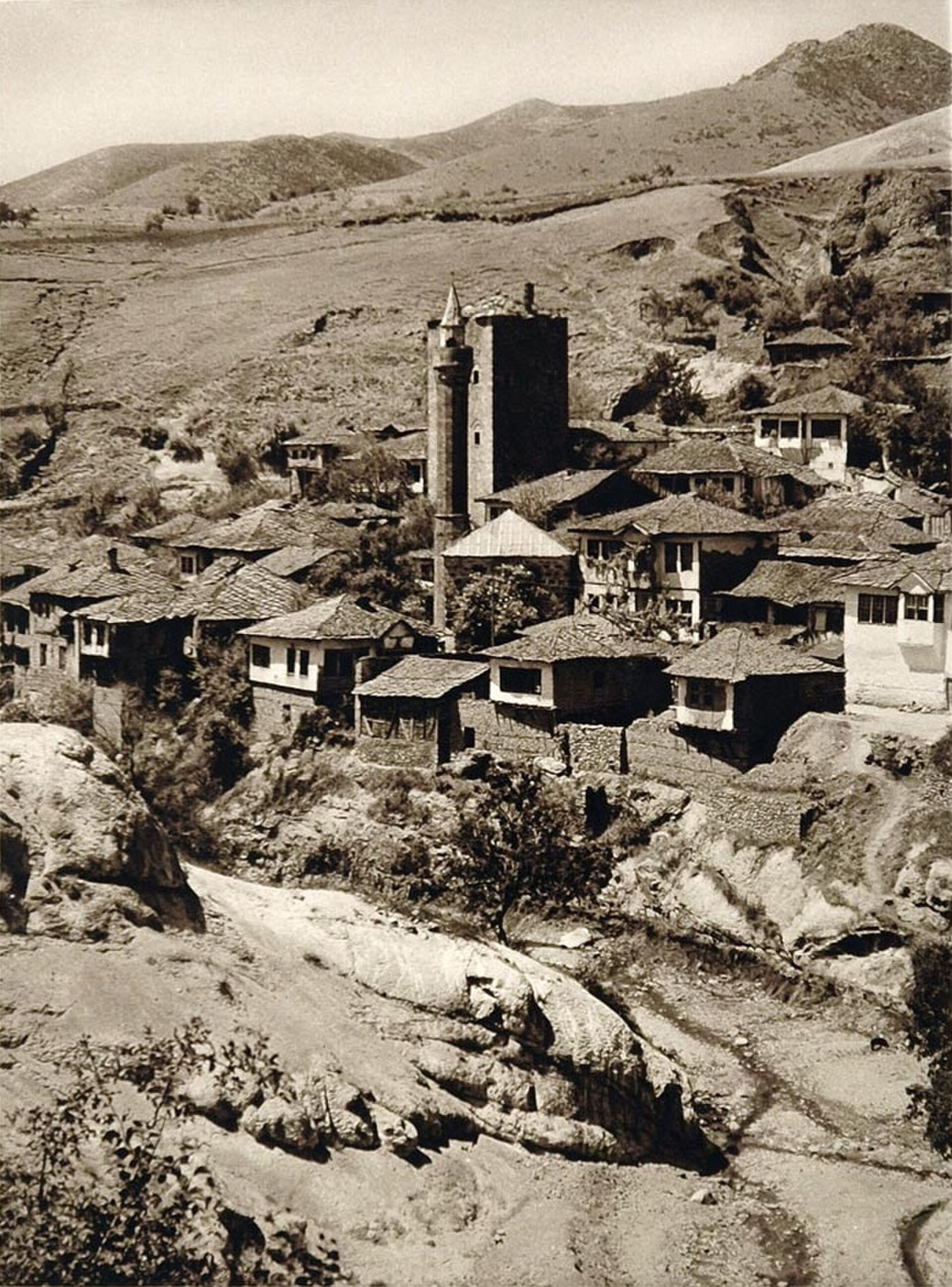
A medieval town built in an extinct volcanic crater, Kratovo is one of the most uniquely situated settlements in the entire Balkans — a natural geological amphitheater formed by an ancient volcano that went extinct millions of years ago, its steep crater walls sheltering the town from the outside world like a protective embrace. Kratovo's golden age spanned the medieval period, when it was a flourishing mining center for gold, silver, and lead — the wealth extracted from its mines funded the construction of its remarkable stone towers and bridges. Today, the town is famous for its five surviving stone towers (known as the 'Kuli'), built by medieval merchant-nobles to protect their families and fortunes, each with its own distinctive character and history.
Exploring Kratovo: Top Attractions & Hidden Gems
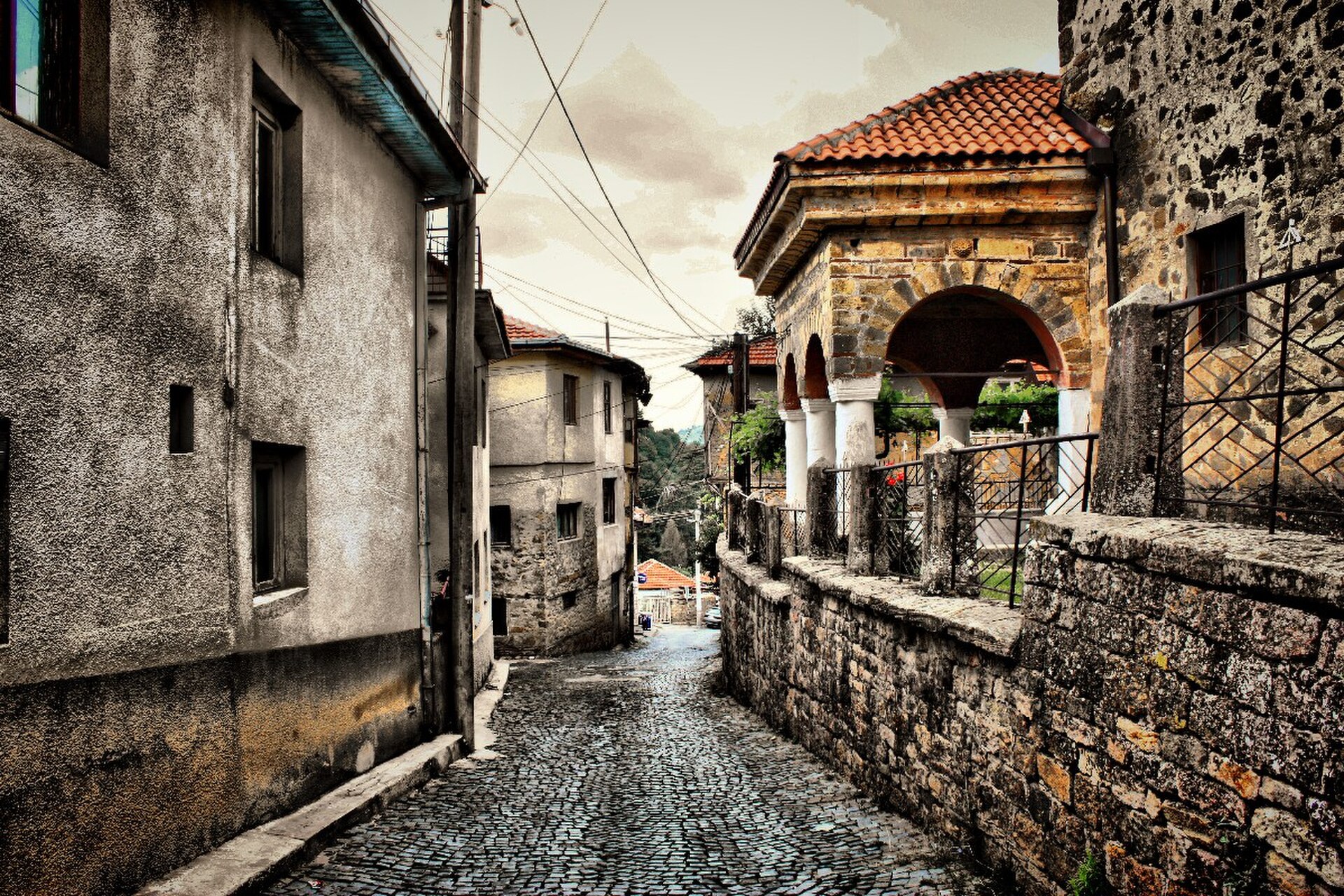
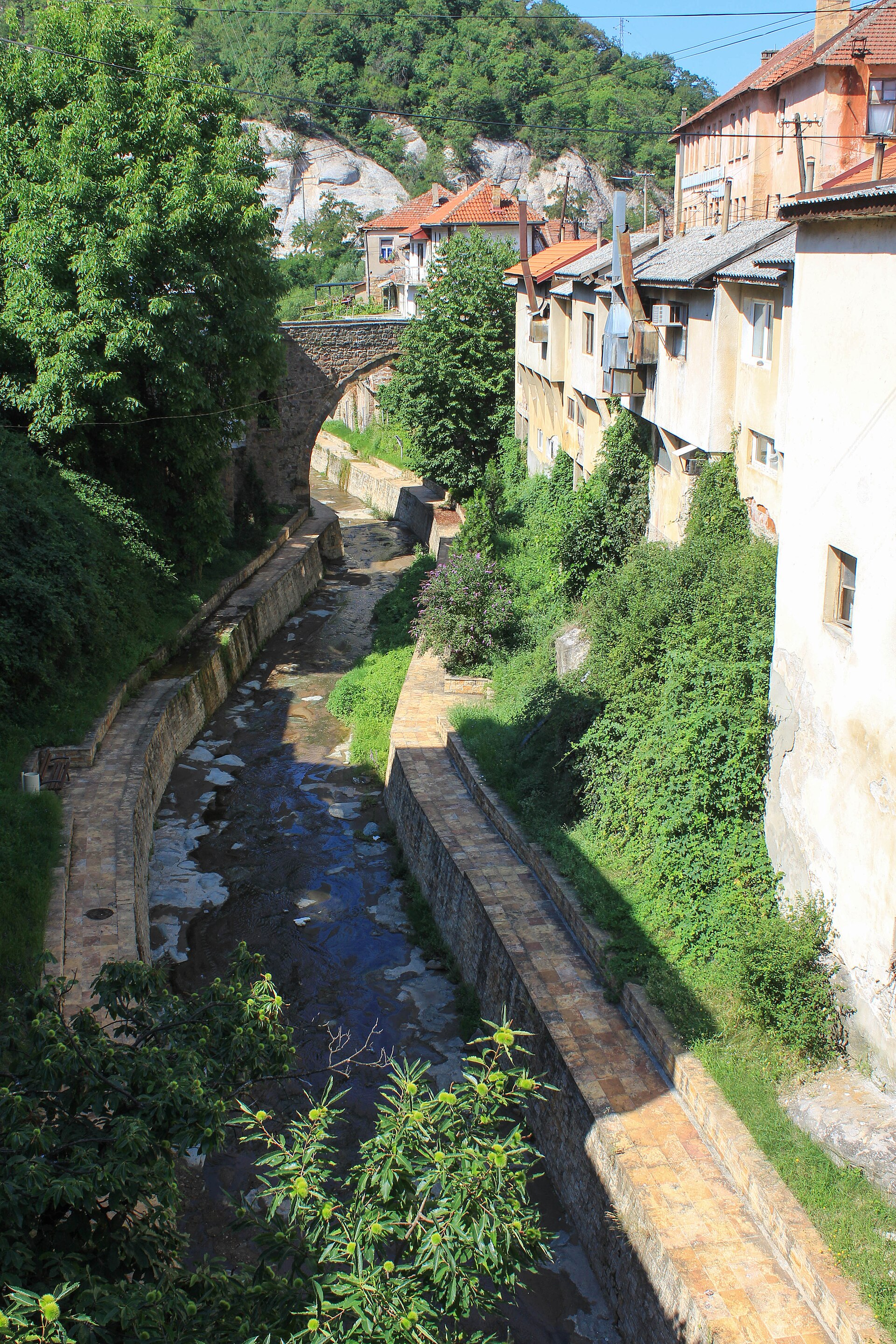
The heart of the town is crisscrossed by no fewer than six historic stone bridges spanning the Kratovo River that flows through the crater floor — some single-arched, others multi-arched — with the most famous, the Clock Tower Bridge, once connecting to a busy caravanserai on the great Ottoman trade route. The cobblestone streets are lined with traditional houses with distinctive wooden bay windows (erkers) that overhang the narrow lanes, their upper stories seeming to reach toward each other across the streets. Kratovo is also renowned for its living artisan traditions — particularly hand-thrown pottery with distinctive local glazes, and intricate filigree silver jewelry crafted using techniques passed down through generations.
Local Culture & Food in Kratovo
Visitors can watch masters at work in small workshops that have barely changed in centuries. Just outside town, the Kuklica Stone Dolls natural phenomenon — over 120 earth pillars formed by erosion — creates an otherworldly landscape steeped in local legend about petrified wedding guests. The surrounding countryside offers hiking through forests, visits to medieval monasteries perched on rocky outcrops, and traditional villages that feel frozen in time since the Ottoman era. Kratovo's dramatic setting and authentic medieval atmosphere make it special.
🗓 Best Time to Visit
April to October. The best time to visit is May-September when the weather is warmest. Spring and autumn offer pleasant temperatures for city sightseeing, while the mountains are ideal for hiking from June to September. Lake Ohrid is at its best between May and October.
🍽 Food & Drink
Eating in Kratovo centers around traditional family recipes and regional ingredients — historic stone buildings house traditional restaurants where you can taste local recipes passed down through generations. Local dishes include: ajvar (roasted red pepper spread — eaten with everything), tavče gravče (baked beans in a clay pot — the national dish), shopska salata (chopped salad with white cheese), kebapi (grilled meat sausages), and pastrmajlija (an oval bread boat topped with cubed meat and eggs). For drinks, try local Vranec and Temjanika wines, mastika (anise liqueur), and rakija.
🚗 How to Get to Kratovo by Bus, Car & Boat
By car: Well-connected by regional roads. Parking is available on the outskirts. By bus: Regular bus services from the nearest cities. Walking: Kratovo is compact and best explored on foot. In Skopje, city buses and a new bus rapid transit system cover the city. Taxis are very affordable (€0.50-1 per km). Walking is best in Ohrid and Bitola. Always confirm taxi fare before riding.
🥘 Where to Eat in Kratovo: Authentic Local Cuisine
Eating in Kratovo is as much about atmosphere as it is about food — the historic setting provides a beautiful backdrop for traditional cuisine. The main square and surrounding cobblestone streets are lined with restaurants which offers local specialties in charming settings with stone walls, candlelit tables, and often live traditional music. For the most authentic experience, venture off the main tourist streets into the side alleys where family-run konobe (traditional taverns) serve recipes passed down through generations at more reasonable prices. Wine bars housed in medieval cellars offer atmospheric tastings of regional wines. During summer, many restaurants set up outdoor terraces in the squares and pedestrian streets, creating a lively dining scene. Street food stalls in the market squares offer quick, affordable local snacks. The local market is perfect for picking up picnic supplies if you're day-tripping. Many restaurants offer a daily set menu (gablec/ručak) at lunch — the most affordable way to sample local cuisine. Macedonian cuisine is a rich Balkan-Mediterranean fusion — ajvar, tavče gravče, fresh Ohrid trout, and quality wines from the Tikveš region are highlights.
🏨 Best Hotels in Kratovo
Staying in Kratovo is an experience in itself — many hotels are housed in beautifully restored historic buildings, which offers rooms with original stone walls, exposed wooden beams, and period furnishings. Boutique hotels within the old town walls give you direct access to the cobblestone streets, squares, and landmarks, with restaurants and cafes just steps from your door. For a quieter stay, look for guesthouses and small hotels just outside the old town — they often offer better value, free parking, and the same easy walking access. Many historic town accommodations feature rooftop terraces and courtyards where you can enjoy breakfast or an evening drink overlooking the ancient rooftops. Family-run hotels (known locally as konobe or guesthouses) provide the warmest welcome, often serving homemade specialties for breakfast and which offers personalized tips for exploring. North Macedonia offers exceptional value — boutique hotels in Skopje and Ohrid are very affordable, while winery stays and mountain lodges provide unique experiences.
Find a stay in Kratovo
Compare apartments, guesthouses, and vacation rentals while you finalize your route. Flexible cancellation can help when drive times or border plans change.
Browse stays in Kratovo on Vrbo →Accessibility
The page gives useful route and setting details, but it does not promise step-free access:
- The old town uses cobblestone streets and historic bridges, and the crater setting can involve changes in level.
- The page does not confirm step-free routes across all six bridges, workshops, towers, or nearby natural sites.
- Confirm surfaces and entrances with accommodation or individual venues if mobility access matters.
- Plan the Kuklica outing separately because it is a countryside geological site rather than part of the central town walk.
Common Mistakes
- Rushing through the town without walking the complete circuit of its historic bridges.
- Expecting every workshop or tower to have the same opening or access arrangement; confirm locally.
- Treating Kuklica Stone Dolls as a central-town sight instead of planning a separate outing.
- Climbing or touching historic stonework and craft objects without permission.
- Visiting the crater town without allowing time for the changes in level and cobbled surfaces.
Photography
The six bridges, Clock Tower Bridge, wooden bay windows, and the crater walls provide a sequence of changing viewpoints. The page’s Kuklica advice points to low light and long shadows for the stone figures. North Macedonia regulates drones — check current registration and flight rules with the Civil Aviation Agency of the Republic of North Macedonia before flying, and follow local heritage and visitor instructions.
Etiquette
A few low-impact habits fit this destination:
- Asking before photographing artisans or active workshops is common courtesy.
- Staying off fragile historic stonework is often expected.
- Keeping voices moderate in residential lanes and near religious sites is considerate.
- Covering shoulders and knees is often appreciated at monasteries outside town.
- It is common to support local crafts by asking about an item before photographing or handling it.
Frequently Asked Questions
When is the best time to visit Kratovo?
April to October. The best time to visit is May-September when the weather is warmest. Spring and autumn offer pleasant temperatures for city sightseeing, while the mountains are ideal for hiking from June to September. Lake Ohrid is at its best between May and October.
How do I get to Kratovo?
By car: Well-connected by regional roads. Parking is available on the outskirts. By bus: Regular bus services from the nearest cities. Walking: Kratovo is compact and best explored on foot. In Skopje, city buses and a new bus rapid transit system cover the city. Taxis are very affordable (€0.50-1 per km). Walking is best in Ohrid and Bitola.
How many days do you need in Kratovo?
A visit to Kratovo can be tailored to your interests. A medieval town built in an extinct volcanic crater, Kratovo is one of the most uniquely situated settlements in the entire Balkans — a natural geological amphitheater formed by an ancient volcano tha.
What is Kratovo known for?
A medieval town built in an extinct volcanic crater, Kratovo is one of the most uniquely situated settlements in the entire Balkans — a natural geological amphitheater formed by an ancient volcano that went extinct millions of years ago, its steep crater walls sheltering the town from the outside world like a protective embrace.
Where should I stay in Kratovo?
Staying in Kratovo is an experience in itself — many hotels are housed in beautifully restored historic buildings, which offers rooms with original stone walls, exposed wooden beams, and period furnishings.
🗺️ Want to add this stop to your trip? Drop this location into our Interactive Balkan Trip Planner to map out a route-optimized itinerary in seconds.
Plan your budget
For country-level budget ranges and planning assumptions, see the Balkan travel costs guide.