

Ohrid – UNESCO
Ohrid at a Glance
| Country | North Macedonia |
| Setting | Historic lakeside city on Lake Ohrid |
| Known for | Byzantine churches, Samuel’s Fortress, Ancient Theatre, and Ohrid Pearl craft |
| Best time to visit | May–October |
| Planning note | The page combines the Old Town, lake, museums, and nearby viewpoints |
Why Visit Ohrid
Ohrid brings a UNESCO-listed historic city and an ancient lake into one walkable base. Churches, fortress walls, the Ancient Theatre, lake viewpoints, the Bay of Bones Museum, and local pearl-making traditions give the visit a broad cultural and natural focus.
Best Things to Do in Ohrid
Ohrid is North Macedonia's crown jewel — a UNESCO World Heritage city (inscribed 1979/1980) on the shores of Lake Ohrid, one of the oldest and deepest lakes in the world, estimated at 3-5 million years old with a maximum depth of 288 metres. The lake is so clear that visibility reaches 20 metres in places, and it hosts 200+ endemic species found nowhere else on Earth. Ohrid is famously said to have 365 churches — one for every day of the year — built between the 9th and 19th centuries, giving it the nickname 'Jerusalem of the Balkans'.
Exploring Ohrid: Top Attractions & Hidden Gems
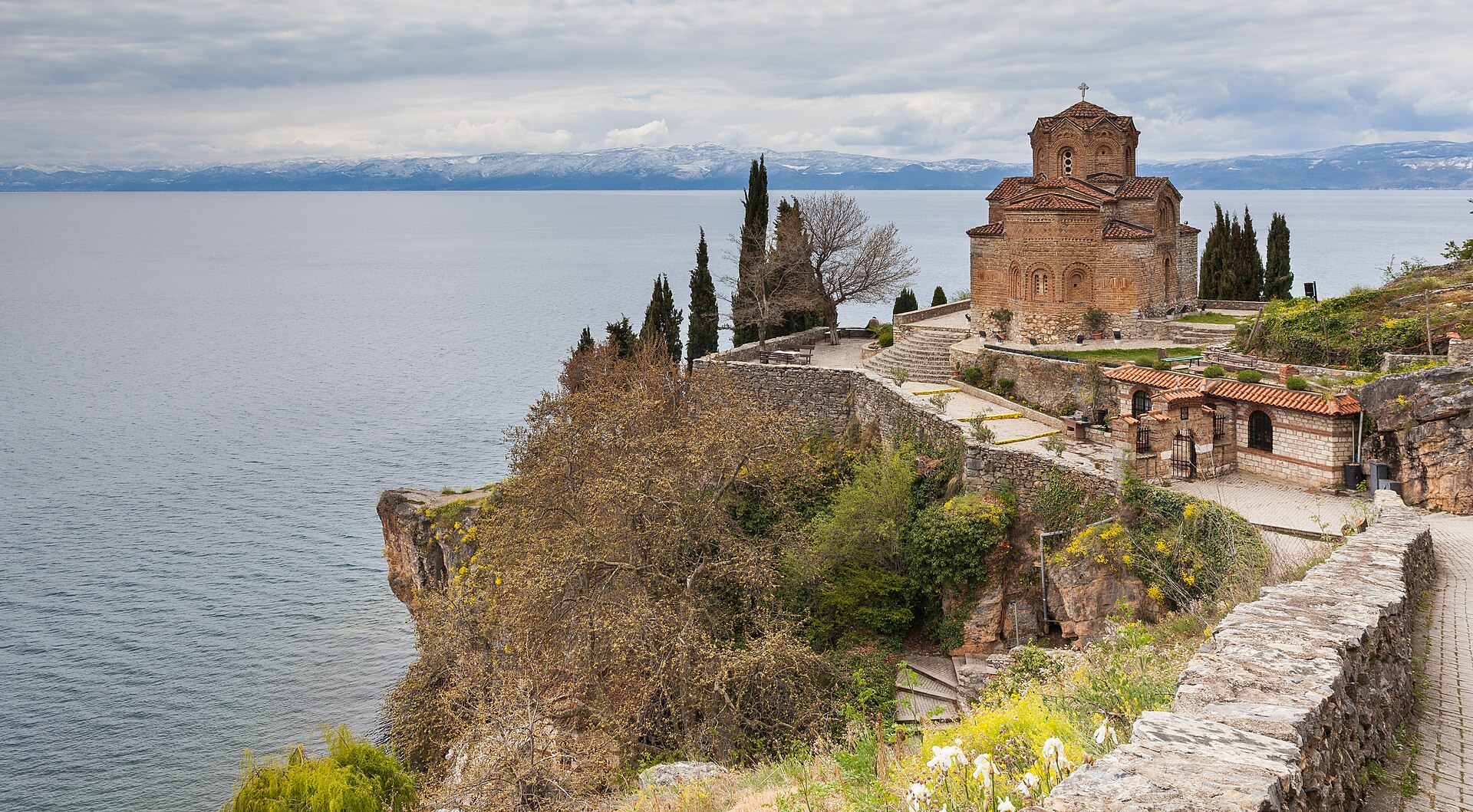
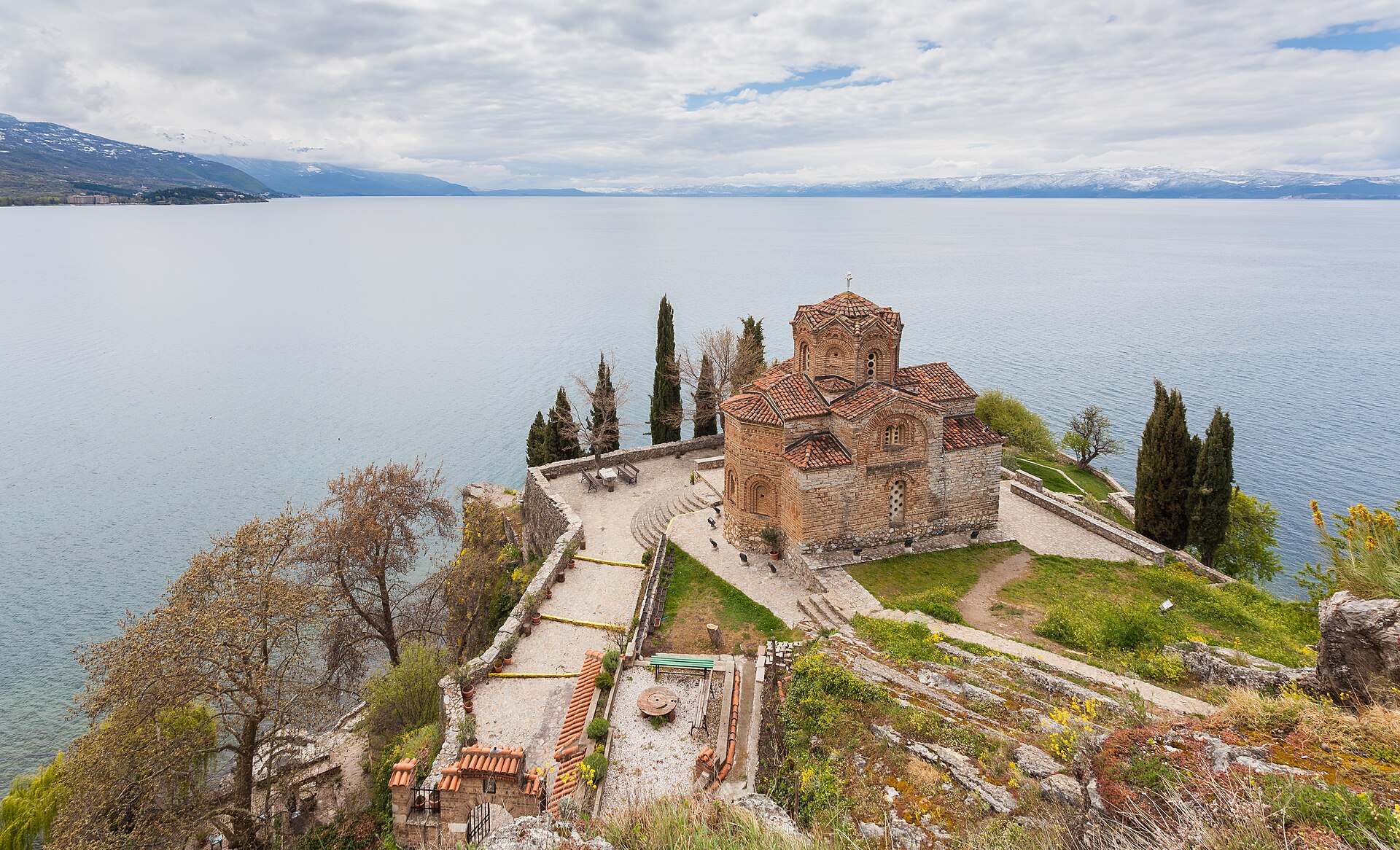
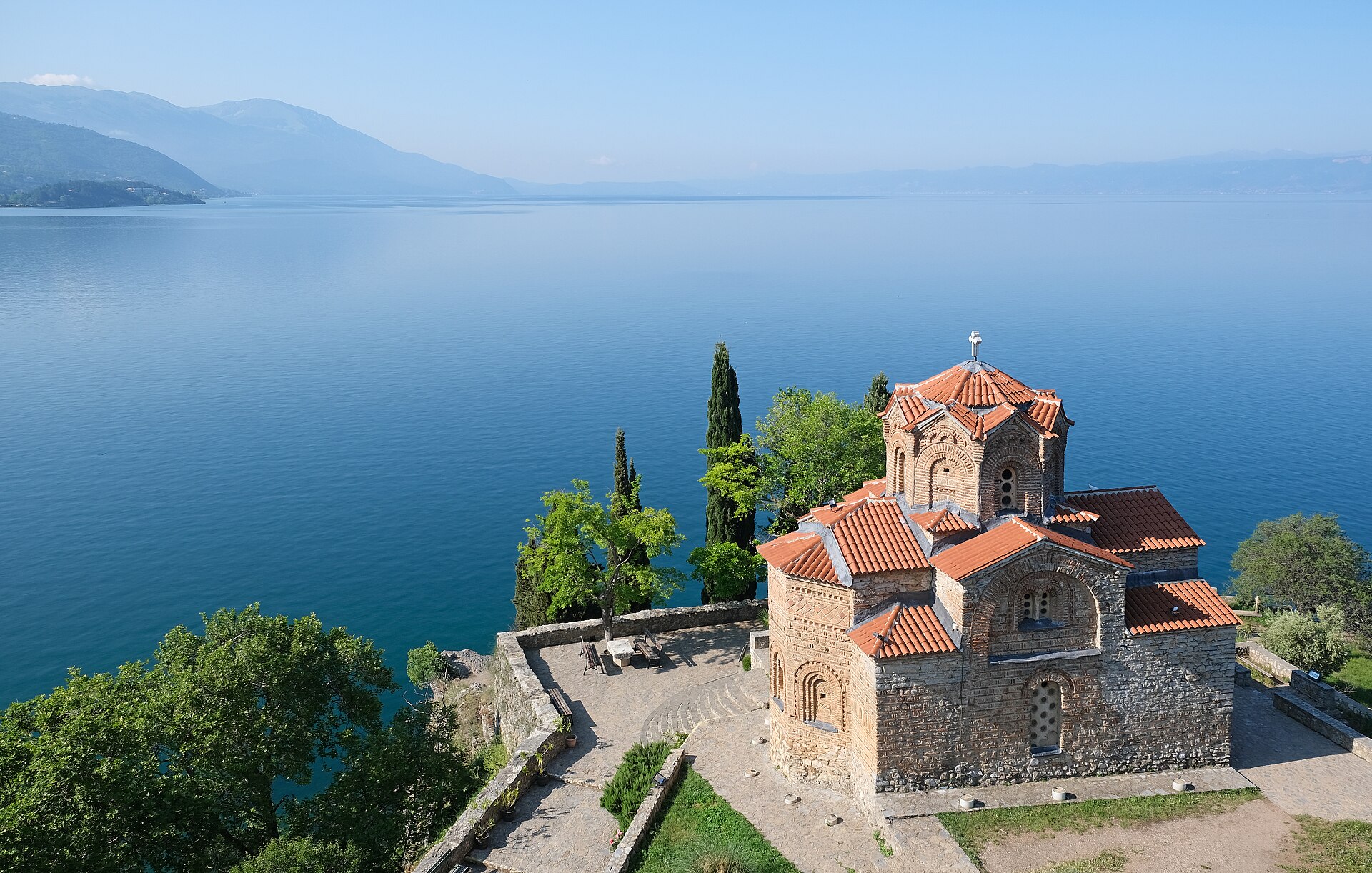
The Old Town is a maze of narrow cobbled streets, Byzantine churches with fresco masterpieces, Roman ruins, and traditional Macedonian houses with distinctive wooden balconies and overhanging eaves. John at Kaneo, perched on a cliff overlooking the lake, is the most photographed spot in North Macedonia. Samuel's Fortress crowns the Old Town hill — a massive restored fortress that was the capital of the First Bulgarian Empire under Tsar Samuel (10th-11th century).
Local Culture & Food in Ohrid
The Ancient Theatre of Ohrid (Hellenistic, 2nd century BC) seats 4,000 and is still used for summer performances. Ohrid is also famous for its 'Ohrid Pearl' (Bisera od Ohrid) — a unique handcrafted pearl made from fish scales by local families for over 100 years. Traditional Ohrid fishermen still practice the ancient method of fishing with nets from boats called 'čamci', and you can tour the Bay of Bones Museum — a reconstructed prehistoric pile-dwelling settlement.
🗓 Best Time to Visit
May to September. July-August is peak season — the city is lively, the lake is warm enough for swimming (22-26°C), and every restaurant and hotel is open. June and September are the sweet spots — warm weather, fewer crowds, lower prices. Spring (April-May) is beautiful with blooming flowers and clear mountain air, but the lake is too cold for swimming. Autumn (October) offers golden colours and still-warm days. Winter (November-March) is very quiet — about half the hotels and restaurants close, but the off-season atmosphere is magical for photography and contemplation. The Ohrid Summer Festival (July-August) features classical concerts, opera, and theatre performances at the Ancient Theatre and the Church of St. Sophia.
🍽 Food & Drink
Ohrid is the best destination for food in North Macedonia. The lake's fresh Ohrid trout (letnica) is the signature dish — grilled with lemon and herbs (€8-12). Restaurant Kaneo (below the Church of St. John, €10-20) — the most famous restaurant, with a terrace hanging over the lake. Grilled trout (€10), lake fish platter (€15), and an unforgettable sunset view. Restaurant Antiko (Old Town, €7-14) — traditional Macedonian dishes in a garden setting. Excellent pastrmajlija (€6) and ajvar (complimentary with bread). Restaurant Belgrad (lakeshore, €6-12) — good-value grilled meats and salads with lake views. Restaurant Su (near St. Sophia, €8-16) — upscale modern Macedonian, excellent wine list. For the best traditional experience, Restoran Orfej (Kaneo area, €6-12) serves trout, eels, and fresh salads. The Ohrid Pearls (not the jewellery, scallops from the lake — actually freshwater mussels that produce the pearls) are a local delicacy, served grilled or fried (€6-8). Local wines: Try the Vranec and Temjanika from the Tikveš region. Street food: Kiosks in the Old Town sell 'kebapi in lep' (grilled sausages in flatbread, €2) and fresh burek (€1.50).
🚗 How to Get to Ohrid by Bus, Car & Boat
By bus: Direct buses from Skopje (3 hours, €10-12, hourly), Bitola (2 hours, €6-8), and Prilep (2.5 hours, €8). From Tirana, Albania: Buses run daily (5 hours, €15-20). The Ohrid bus station is a 15-minute walk east of the Old Town. By car: 170km from Skopje (2.5 hours via A2/E65 — a winding but scenic mountain road). From Bitola it's 75km (1h15m). Parking: Very limited in the Old Town. Use the paid parking lots at the entrance to the Old Town (€1.5/hour). By plane: Ohrid St. Paul the Apostle Airport (OHD) has seasonal flights from London, Vienna, Zurich, and several German cities. The airport is 10km from the city centre (€10-15 taxi). Getting around: The Old Town is compact and walkable. Taxis cost €2-5 within the city. Minibuses run from the New Town to the Old Town (€0.50).
🥘 Where to Eat in Ohrid: Authentic Local Cuisine
Ohrid – UNESCO dining options: Restaurant Kaneo (cliffside, €10-20) — the iconic restaurant, book for sunset. Restaurant Antiko (Old Town, €7-14) — garden dining, traditional cuisine. Restaurant Belgrad (lakeshore, €6-12) — good-value grilled meats. Restaurant Su (€8-16) — modern Macedonian, best wine list. Restoran Orfej (Kaneo, €6-12) — trout and eels. Dalga Beach Restaurant (€8-15) — beachfront dining on the Gradishte beach road. Pizza and more: Gusto (€5-10) — Italian and Balkan dishes.
🏨 Best Hotels in Ohrid – UNESCO
Ohrid – UNESCO offers a range of accommodation options: Budget: Hostel Ohrid (dorm €10-14, private €20-30) — central, lively, good for meeting travellers. Budget: Villa Jovan (double €25-35) — basic but clean, 5 minutes from the lake. Mid-range: Hotel Inex Olgica (double €45-65) — large Soviet-era hotel with a private beach. Mid-range: Villa Geras (double €50-70) — boutique guesthouse in a restored Old Town house. Mid-range: Hotel Tino (double €55-80) — excellent location near Kaneo, lake views. Splurge: Villa St. Sofia (double €80-140) — luxury boutique near the cathedral. Splurge: Hotel Granit (double €90-130) — the most modern hotel, with spa, pool, and private lake access.
Where to stay in Ohrid
Compare hotels, guesthouses, and apartments in Ohrid. Choose free cancellation when your route still depends on border queues or weather.
See stays in Ohrid →Find a stay in Ohrid
Compare apartments, guesthouses, and vacation rentals while you finalize your route. Flexible cancellation can help when drive times or border plans change.
Browse stays in Ohrid on Vrbo →Accessibility
The page gives useful route and setting details, but it does not promise step-free access:
- The Old Town is described through narrow cobbled streets and a hill crowned by Samuel’s Fortress, so routes are not uniformly level.
- The page does not confirm step-free access inside churches, museums, fortress areas, or lakeside attractions.
- Confirm entrance conditions and transport options with each venue if mobility access is essential.
- Break the historic-core walk into smaller sections rather than assuming every sight can be reached by the same route.
Common Mistakes
- Treating Ohrid as only a beach destination and missing its churches, fortress, theatre, and museums.
- Planning a long Old Town walk without allowing for cobbles and the hill toward Samuel’s Fortress.
- Entering churches without checking photography or dress instructions.
- Buying an Ohrid Pearl without asking about the local craft and provenance described by the guide.
- Trying to see every lake and cultural stop in one rushed afternoon.
Photography
John at Kaneo, Samuel’s Fortress, the Ancient Theatre, and the lake shore each provide a different view of Ohrid’s historic setting. Use the Old Town’s cobbled lanes and wooden balconies for close detail, and keep church photography within posted rules. North Macedonia regulates drones — check current registration and flight rules with the Civil Aviation Agency of the Republic of North Macedonia before flying, and respect churches, residents, boats, and lake visitors.
Etiquette
A few low-impact habits fit this destination:
- Covering shoulders and knees is often appreciated in churches and monastery grounds.
- Speaking quietly and following no-photo instructions inside religious sites is customary.
- Asking before photographing craftspeople, pearl makers, or residents is common courtesy.
- Keeping lakefront areas clean is often expected.
- It is considerate to give worshippers and local ceremonies priority in church entrances and courtyards.
Frequently Asked Questions
When is the best time to visit Ohrid – UNESCO?
May to September.
How do I get to Ohrid – UNESCO?
By bus: Direct buses from Skopje (3 hours, €10-12, hourly), Bitola (2 hours, €6-8), and Prilep (2.
What is Ohrid – UNESCO known for?
Ohrid is North Macedonia's crown jewel — a UNESCO World Heritage city (inscribed 1979/1980) on the shores of Lake Ohrid, one of the oldest and deepest lakes in the world, estimated at 3-5 million years old with a maximum depth of 288 metres.
Where should I stay in Ohrid – UNESCO?
Budget: Hostel Ohrid (dorm €10-14, private €20-30) — central, lively, good for meeting travellers.
🗺️ Build a route around Ohrid – UNESCO: Add Ohrid – UNESCO to my itinerary. It opens the planner with this stop selected, so you can add nearby places and set the trip length.
Plan your budget
For country-level budget ranges and planning assumptions, see the Balkan travel costs guide.