

Heraclea Lyncestis
Heraclea Lyncestis at a Glance
| Country | North Macedonia |
| Best time | March–October |
| Recommended stay | 1–2 Days |
| Top highlight | Archaeological Site |
| Transit hub | Regional bus network |
Why Visit Heraclea Lyncestis
Walk through an ancient Greek and Roman city founded in the 4th century BC.
Study the Episcopal, Small, and Great Basilica mosaics.
Use the site to understand the Via Egnatia connection and long habitation history.
Best Things to Do in Heraclea Lyncestis
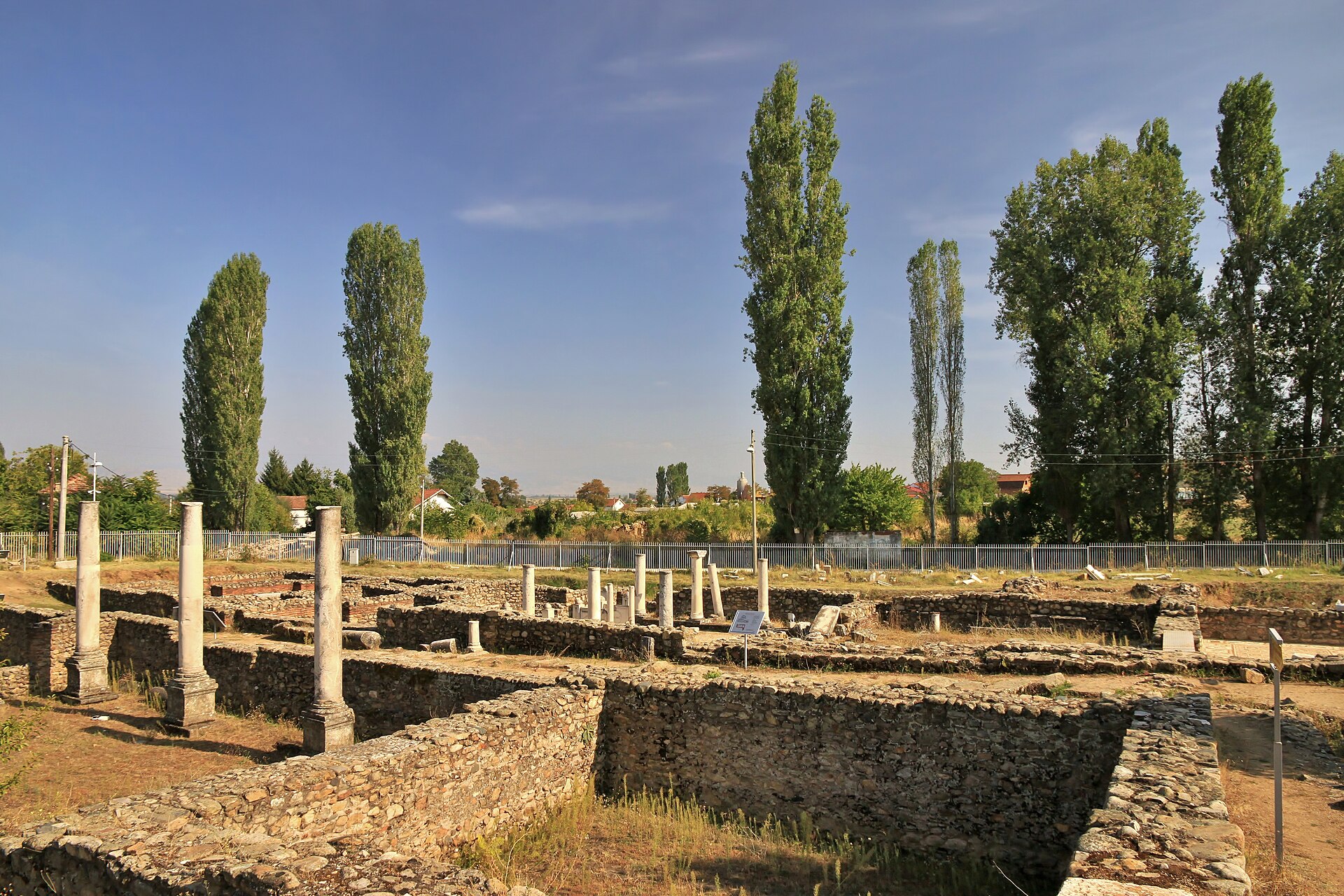
An ancient Greek and Roman city founded in the 4th century BC by Philip II of Macedon — father of Alexander the Great — Heraclea Lyncestis is one of the most important and visually impressive archaeological sites in North Macedonia, which offers an extraordinary window into classical urban life that spans over 800 years of continuous habitation. Named after the mythological hero Heracles, from whom the Macedonian royal dynasty claimed descent, the city was strategically located on the Via Egnatia — the great Roman highway that connected the Adriatic Sea at Dyrrachium (modern Durrës) all the way to Constantinople, making Heraclea a prosperous stop on one of the ancient world's busiest trade routes. What makes Heraclea exceptional among Balkan archaeological sites are its remarkably well-preserved floor mosaics, which rank among the finest examples of Roman mosaic art anywhere in Europe.
Exploring Heraclea Lyncestis: Top Attractions & Hidden Gems
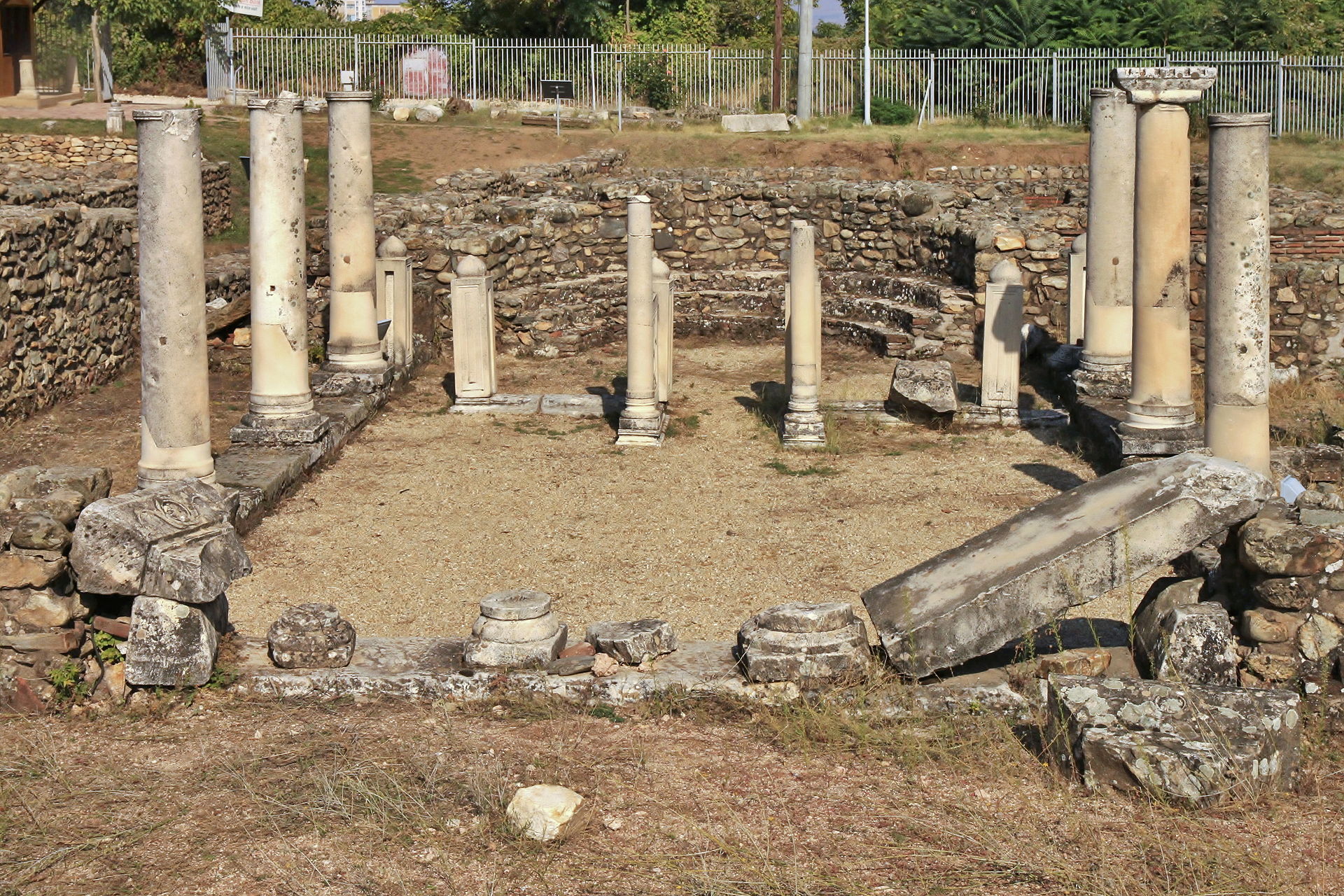
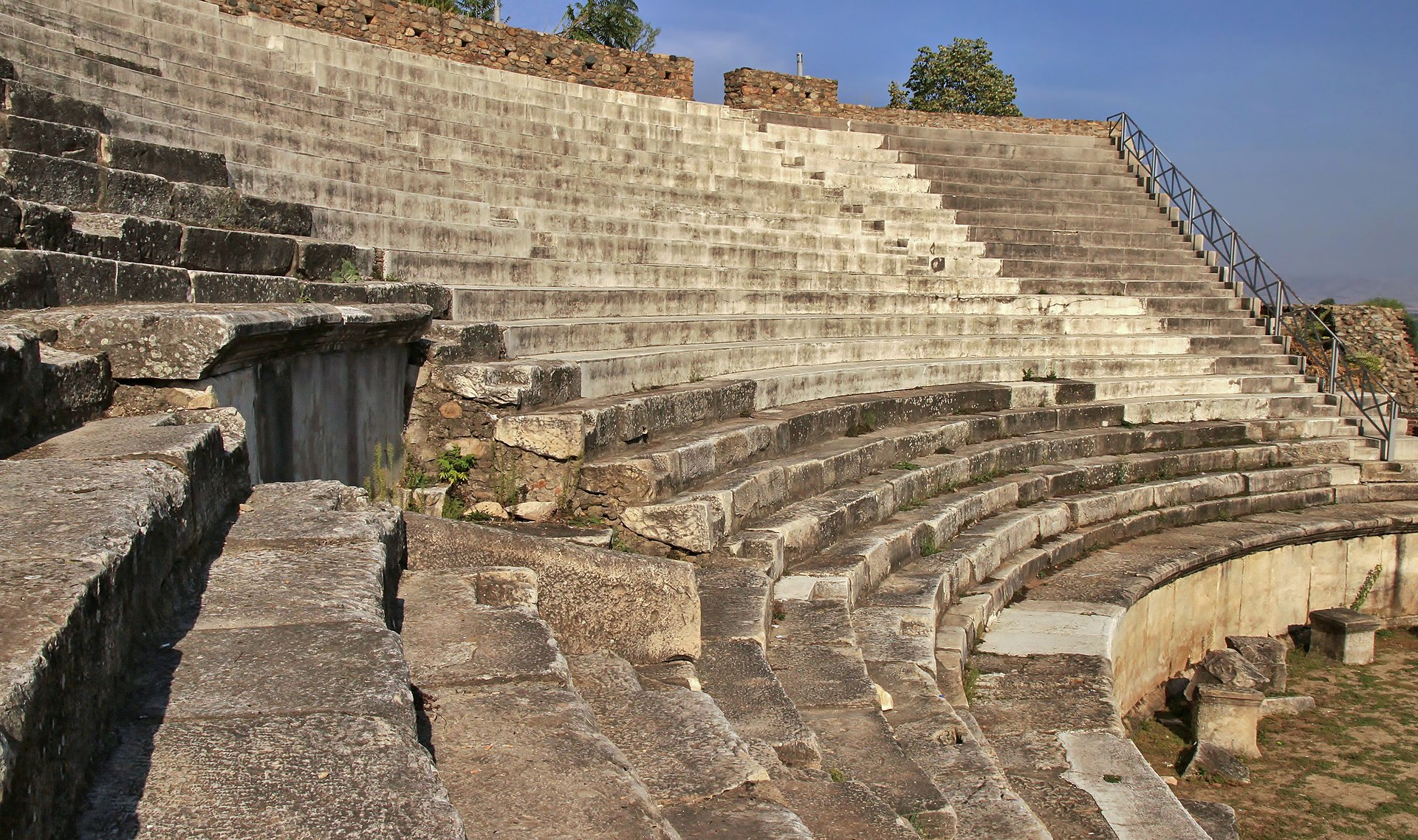
The Episcopal Basilica features intricate geometric patterns in lively terracotta, cream, and black tesserae, while the Small Basilica and the Great Basilica contain impressive figurative mosaics depicting scenes from the natural world — exotic birds, leaping fish, mythical sea creatures, and the legendary griffin — executed with extraordinary skill and artistry using millions of tiny stone cubes, their colors as vivid today as when they were laid nearly 2,000 years ago. The site also features a well-preserved Roman theater carved partly into the hillside, which could seat about 3,000 spectators and was originally used for dramatic performances before being adapted for gladiatorial contests in the later Roman period. The extensive bathhouse complex (thermae) reveals the sophistication of Roman engineering, with underfloor heating systems (hypocaust), cold and hot plunge pools, and elaborate water supply networks.
Local Culture & Food in Heraclea Lyncestis
An ancient inscription from the 2nd century AD, still visible on site, records the names of wealthy citizens who funded the construction of the city's aqueduct — a direct, personal connection to the people who walked these streets two millennia ago. Heraclea sits at the foot of Mount Baba on the outskirts of modern Bitola, and the setting — ancient ruins against the dramatic mountain backdrop — is beautiful. The site is worth visiting for any traveler interested in ancient history, classical archaeology, or the exquisite art of Roman mosaic work.
🗓 Best Time to Visit
March to October. The best time to visit is May-September when the weather is warmest. Spring and autumn offer pleasant temperatures for city sightseeing, while the mountains are ideal for hiking from June to September. Lake Ohrid is at its best between May and October.
🍽 Food & Drink
Eating in Heraclea Lyncestis centers around traditional family recipes and regional ingredients — historic stone buildings house traditional restaurants where you can taste local recipes passed down through generations. Local dishes include: ajvar (roasted red pepper spread — eaten with everything), tavče gravče (baked beans in a clay pot — the national dish), shopska salata (chopped salad with white cheese), kebapi (grilled meat sausages), and pastrmajlija (an oval bread boat topped with cubed meat and eggs). For drinks, try local Vranec and Temjanika wines, mastika (anise liqueur), and rakija.
🚗 How to Get to Heraclea Lyncestis by Bus, Car & Boat
By car: Well-connected by regional roads. Parking is available on the outskirts. By bus: Regular bus services from the nearest cities. Walking: Heraclea Lyncestis is compact and best explored on foot. In Skopje, city buses and a new bus rapid transit system cover the city. Taxis are very affordable (€0.50-1 per km). Walking is best in Ohrid and Bitola. Always confirm taxi fare before riding.
🥘 Where to Eat in Heraclea Lyncestis: Authentic Local Cuisine
While Heraclea Lyncestis itself may not have extensive dining options, the nearby towns and villages offer excellent restaurants serving traditional regional cuisine. Many historical sites have a cafe or snack bar for light refreshments, but the real culinary experiences await in the surrounding settlements. Look for traditional konobe (taverns) and family-run restaurants where recipes have been passed down through generations. These establishments often use ingredients sourced from local farms and producers — fresh cheeses, cured meats, seasonal vegetables, and artisan breads. For a memorable experience, book a table at a restaurant with views overlooking the historical site, especially at sunset when the ancient stones glow golden. Local wineries near archaeological sites often offer tastings paired with regional specialties. Pack a picnic to enjoy on the grounds of the site itself — there's something special about eating surrounded by millennia of history. Macedonian cuisine is a rich Balkan-Mediterranean fusion — ajvar, tavče gravče, fresh Ohrid trout, and quality wines from the Tikveš region are highlights.
🏨 Best Hotels Near Heraclea Lyncestis
Accommodation options vary by season and location. Book ahead for summer weekends and major local events.
Find a stay in Heraclea Lyncestis
Compare apartments, guesthouses, and vacation rentals while you finalize your route. Flexible cancellation can help when drive times or border plans change.
Browse stays in Heraclea Lyncestis on Vrbo →Accessibility
- Archaeological paths and historic remains may be uneven.
- The page does not specify step-free access to every mosaic or structure.
- Confirm current site conditions before visiting with mobility equipment.
Common Mistakes
- Rushing past the mosaics.
- Treating the site as a flat modern museum.
- Touching historic surfaces.
- Visiting without allowing time for the basilicas and theatre.
Photography
- Use low, even light for mosaic detail.
- Frame mosaics with enough surrounding architecture for context.
- Follow site rules for tripods and interior photography.
- North Macedonia regulates drones — check current registration and flight rules with the Civil Aviation Agency of the Republic of North Macedonia before flying.
Etiquette
- Stay on marked paths.
- Do not touch mosaics or masonry.
- Keep voices low near other visitors.
- Follow staff photography rules.
- Leave archaeological material undisturbed.
Frequently Asked Questions
When is the best time to visit Heraclea Lyncestis?
March to October. The best time to visit is May-September when the weather is warmest. Spring and autumn offer pleasant temperatures for city sightseeing, while the mountains are ideal for hiking from June to September. Lake Ohrid is at its best between May and October.
How do I get to Heraclea Lyncestis?
By car: Well-connected by regional roads. Parking is available on the outskirts. By bus: Regular bus services from the nearest cities. Walking: Heraclea Lyncestis is compact and best explored on foot. In Skopje, city buses and a new bus rapid transit system cover the city. Taxis are very affordable (€0.50-1 per km).
How many days do you need in Heraclea Lyncestis?
A visit to Heraclea Lyncestis can be tailored to your interests. An ancient Greek and Roman city founded in the 4th century BC by Philip II of Macedon — father of Alexander the Great — Heraclea Lyncestis is one of the most important and visually impressive archaeol.
What is Heraclea Lyncestis known for?
An ancient Greek and Roman city founded in the 4th century BC by Philip II of Macedon — father of Alexander the Great — Heraclea Lyncestis is one of the most important and visually impressive archaeological sites in North Macedonia, which offers an extraordinary window into classical urban life that spans over 800 years of continuous habitation.
Where should I stay in Heraclea Lyncestis?
While Heraclea Lyncestis itself is primarily a heritage attraction, the nearest town or city offers a range of accommodation options to suit every budget. Look for hotels and guesthouses that provide easy access to the site — many offer shuttle services or are within walking distance.
🗺️ Build a route around Heraclea Lyncestis: Add Heraclea Lyncestis to my itinerary. It opens the planner with this stop selected, so you can add nearby places and set the trip length.
Plan your budget
For country-level budget ranges and planning assumptions, see the Balkan travel costs guide.