

Stobi
Stobi at a Glance
| Country | North Macedonia |
| Setting | Ancient city at the Crna and Vardar river confluence |
| Known for | Roman theatre, basilicas, mosaics, houses, and site museum |
| Best time to visit | Spring–autumn for an open-air archaeological visit |
| Planning note | The page describes five hectares of excavated ruins and an included museum |
Why Visit Stobi
Stobi makes the Roman and Byzantine history of Macedonia legible through streets, theatres, basilicas, mosaics, houses, and a site museum. Its open-air scale and location near Gradsko make it a focused archaeological stop that can be planned around the heat and daylight.
Best Things to Do in Stobi
Stobi is one of the most important and well-preserved ancient cities in the Balkans — a Roman and Byzantine archaeological site at the confluence of the Crna and Vardar rivers, near the modern village of Gradsko. Settled since the Hellenistic period (3rd century BC), Stobi flourished under the Roman Empire as the capital of the province of Macedonia Secunda and became an important early Christian centre.
Exploring Stobi: Top Attractions & Hidden Gems
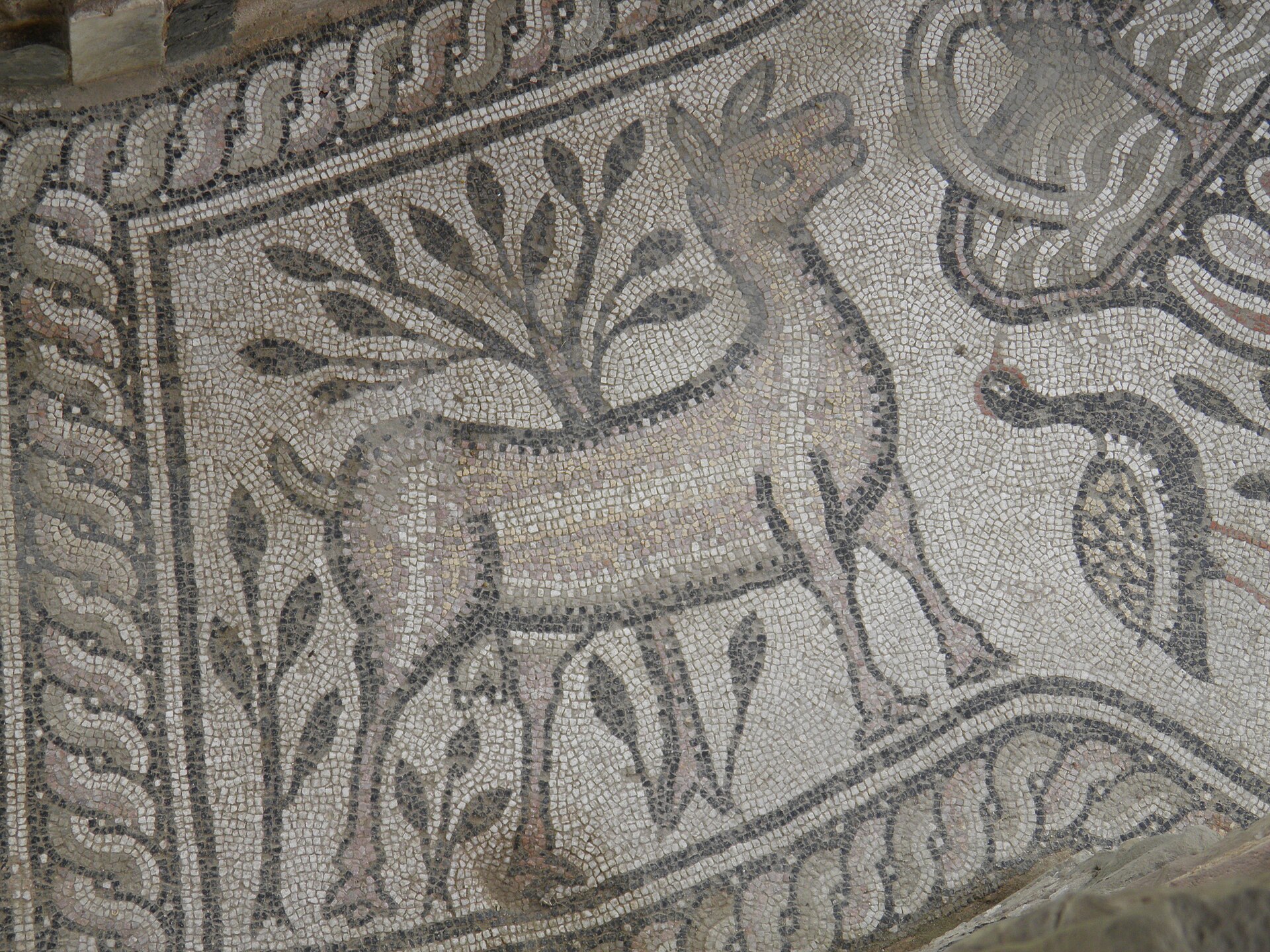
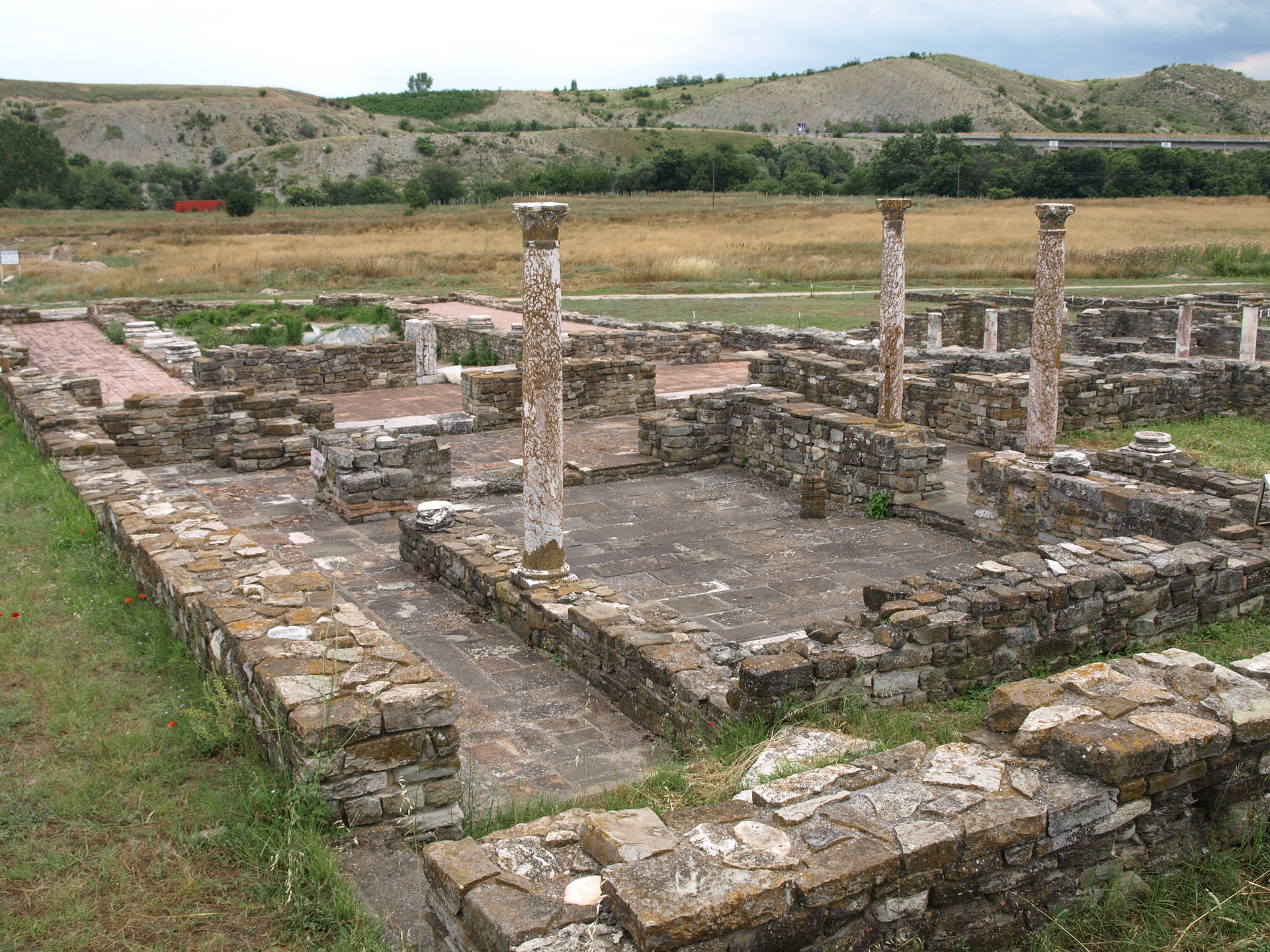
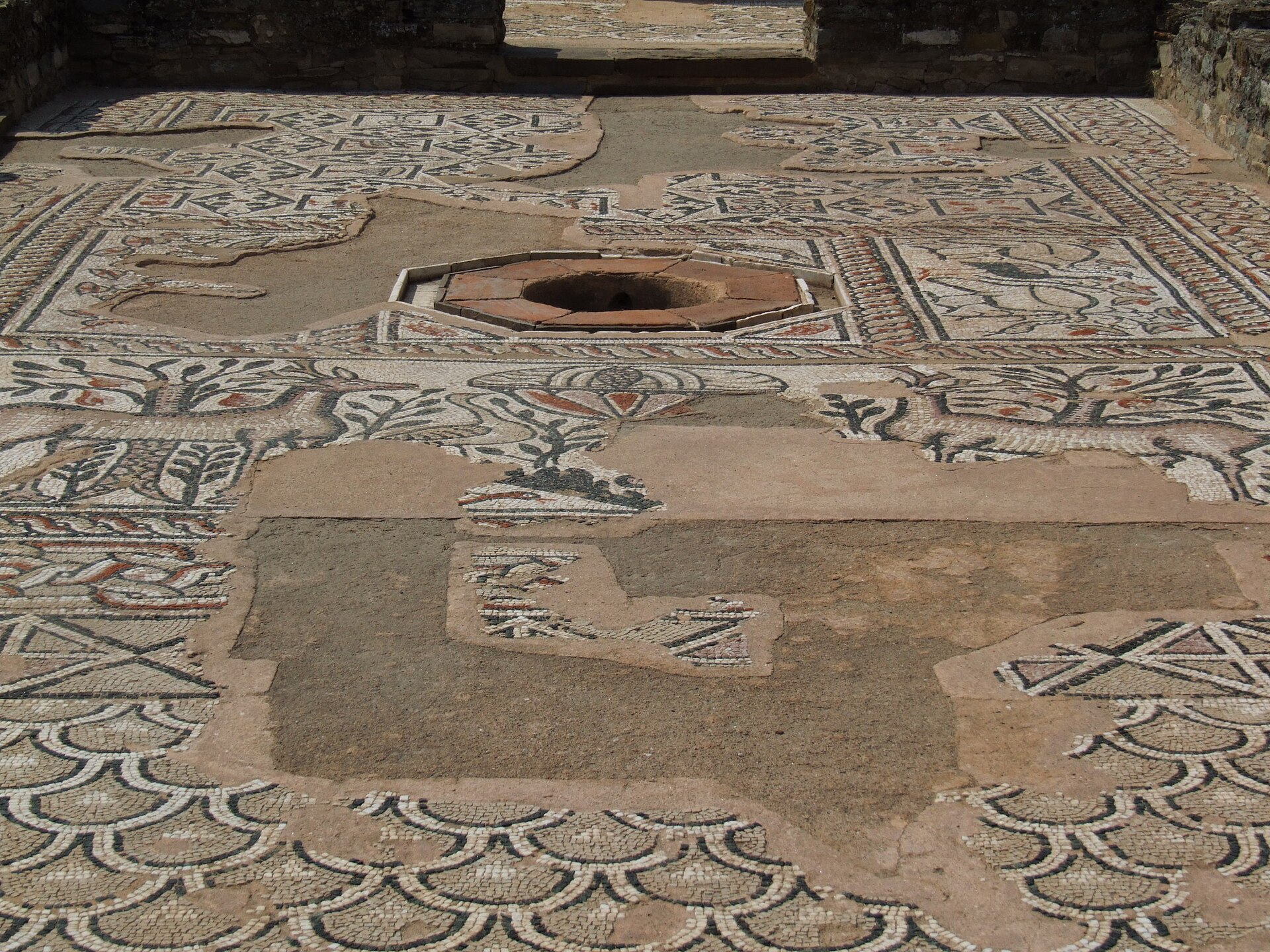
The city was devastated by an earthquake in the 6th century AD and abandoned, leaving remarkably well-preserved ruins that offer a vivid glimpse into Roman provincial life. The site covers 5 hectares of excavated ruins. Highlights include: the Roman Theatre (seating 7,600 spectators, later converted into an arena for animal fights — very unusual), the Baptistery with stunning 4th-century floor mosaics depicting deer, birds, and geometric patterns (the finest in North Macedonia), the House of Peristeria with its beautiful peacock mosaic, the Episcopal Basilica and the Old Basilica — early Christian churches with mosaic floors showing the evolution of Christian art, the Via Principalis (the main Roman street with colonnades and shops), and the 'Palace of Theodosius' — a large Roman residence with a peristyle courtyard.
Local Culture & Food in Stobi
The site museum (included in entry) displays coins, pottery, jewellery, and a collection of Roman glass found during excavations. Entry: €3 (adults), €1.50 (students). The site is open daily 9am-5pm (summer) and 9am-4pm (winter).
🗓 Best Time to Visit
April to October. Spring (April-May) and autumn (September-October) are ideal — pleasant temperatures (18-28°C) and soft light for photography. Summer (June-August) can be very hot (35-40°C) — visit early morning or late afternoon. Bring water and sun protection as there is little shade on the site. Winter (November-March) — cold and often muddy, but the site is open and nearly empty.
🍽 Food & Drink
There are no restaurants at the Stobi archaeological site itself. The nearest village is Gradsko (3km), which has a few basic restaurants. Restaurant Stobi (Gradsko, €4-8) — simple Macedonian food, grilled meats and salads. Most visitors stop for lunch at one of the roadside restaurants on the main Skopje-Gevgelija highway (A1/E75), which passes 3km from the site. Recommended: Restoran Amigos on the highway (€5-10) — decent food, clean facilities. The town of Negotino (15km north) has better dining options. Best strategy: Pack a picnic (from Skopje or Prilep) and eat at the picnic tables near the site entrance.
🚗 How to Get to Stobi by Bus, Car & Boat
By car: Stobi is located at the Gradsko junction on the A1/E75 Skopje-Thessaloniki highway, about 75km south of Skopje (50 minutes). Take the Gradsko exit and follow signs for 3km on a paved local road. From Prilep, it's 30km (30 minutes via R106). Parking: Free at the site entrance. By bus: Buses from Skopje to Negotino or Gradsko (€4-6, 1 hour, hourly). From Gradsko, it's a 3km walk or a €2 taxi. By train: The Skopje-Gevgelija train stops at Gradsko station (€3, 1.5 hours, 2-3 daily). From the station, it's a 25-minute walk or a €2 taxi ride. Most visitors arrive by car or as part of a guided tour from Skopje (€30-45 per person for a half-day tour combining Stobi with the Tikveš wine region).
🥘 Where to Eat in Stobi: Authentic Local Cuisine
Stobi dining options: See Food & Drink section above.
🏨 Best Hotels in Stobi
Stobi offers a range of accommodation options: Most visitors visit Stobi as a day trip from Skopje, Prilep, or Negotino. Hotel Favorit in Negotino (double €30-45) — the nearest decent accommodation, 15km north. Hotel Palazzo in Negotino (double €35-50) — renovated, clean, with a good restaurant. Otherwise, return to Skopje (€25-120) or Prilep (€25-50).
Find a stay in Stobi
Compare apartments, guesthouses, and vacation rentals while you finalize your route. Flexible cancellation can help when drive times or border plans change.
Browse stays in Stobi on Vrbo →Accessibility
The page gives useful route and setting details, but it does not promise step-free access:
- Stobi is an open-air archaeological site covering five hectares, so visitors should expect walking between ruins.
- The page does not confirm step-free routes, smooth surfaces, shaded rest points, or accessible museum facilities.
- Confirm current route and entrance conditions with the site before travelling if mobility access is important.
- Plan sun protection and water for outdoor sections rather than treating the museum as the whole visit.
Common Mistakes
- Seeing only the theatre and missing the basilicas, mosaics, houses, and site museum.
- Planning the whole visit without allowing for outdoor heat, sun, or walking across the excavated area.
- Stepping on or touching mosaics and walls instead of staying on permitted paths.
- Assuming the site museum replaces the open-air experience: the page presents both as part of the visit.
- Photographing other visitors or staff closely without asking.
Photography
The Roman theatre gives a strong wide subject, while the Baptistery mosaics, basilicas, houses, and museum objects reward closer frames. Work from permitted paths and avoid stepping onto ancient surfaces. North Macedonia regulates drones — check current registration and flight rules with the Civil Aviation Agency of the Republic of North Macedonia before flying, and follow archaeological-site, visitor, and current flight restrictions.
Etiquette
A few low-impact habits fit this destination:
- Staying on visitor paths and away from mosaics is essential archaeological-site courtesy.
- Keeping voices low inside the museum and near other visitors is considerate.
- Asking before photographing staff or people is common courtesy.
- Taking water bottles and rubbish with you is often expected in an open-air site.
- Following any current instructions about photography, barriers, or fragile remains is customary.
Frequently Asked Questions
When is the best time to visit Stobi?
April to October.
How do I get to Stobi?
By car: Stobi is located at the Gradsko junction on the A1/E75 Skopje-Thessaloniki highway, about 75km south of Skopje (50 minutes).
What is Stobi known for?
Stobi is one of the most important and well-preserved ancient cities in the Balkans — a Roman and Byzantine archaeological site at the confluence of the Crna and Vardar rivers, near the modern village of Gradsko.
Where should I stay in Stobi?
Most visitors visit Stobi as a day trip from Skopje, Prilep, or Negotino.
🗺️ Build a route around Stobi: Add Stobi to my itinerary. It opens the planner with this stop selected, so you can add nearby places and set the trip length.
Plan your budget
For country-level budget ranges and planning assumptions, see the Balkan travel costs guide.