

Treskavec Monastery
Treskavec Monastery at a Glance
| Country | North Macedonia |
| Best time | May–October |
| Recommended stay | 1–2 Days |
| Top highlight | Monastery |
| Transit hub | Regional bus network |
Why Visit Treskavec Monastery
Reach the remote Orthodox monastery above the Prilep Valley.
Combine the cliff setting with the approach through pine forests and rocky slopes.
Allow time for the monastery’s history, setting, and demanding access road or hike.
Best Things to Do in Treskavec Monastery
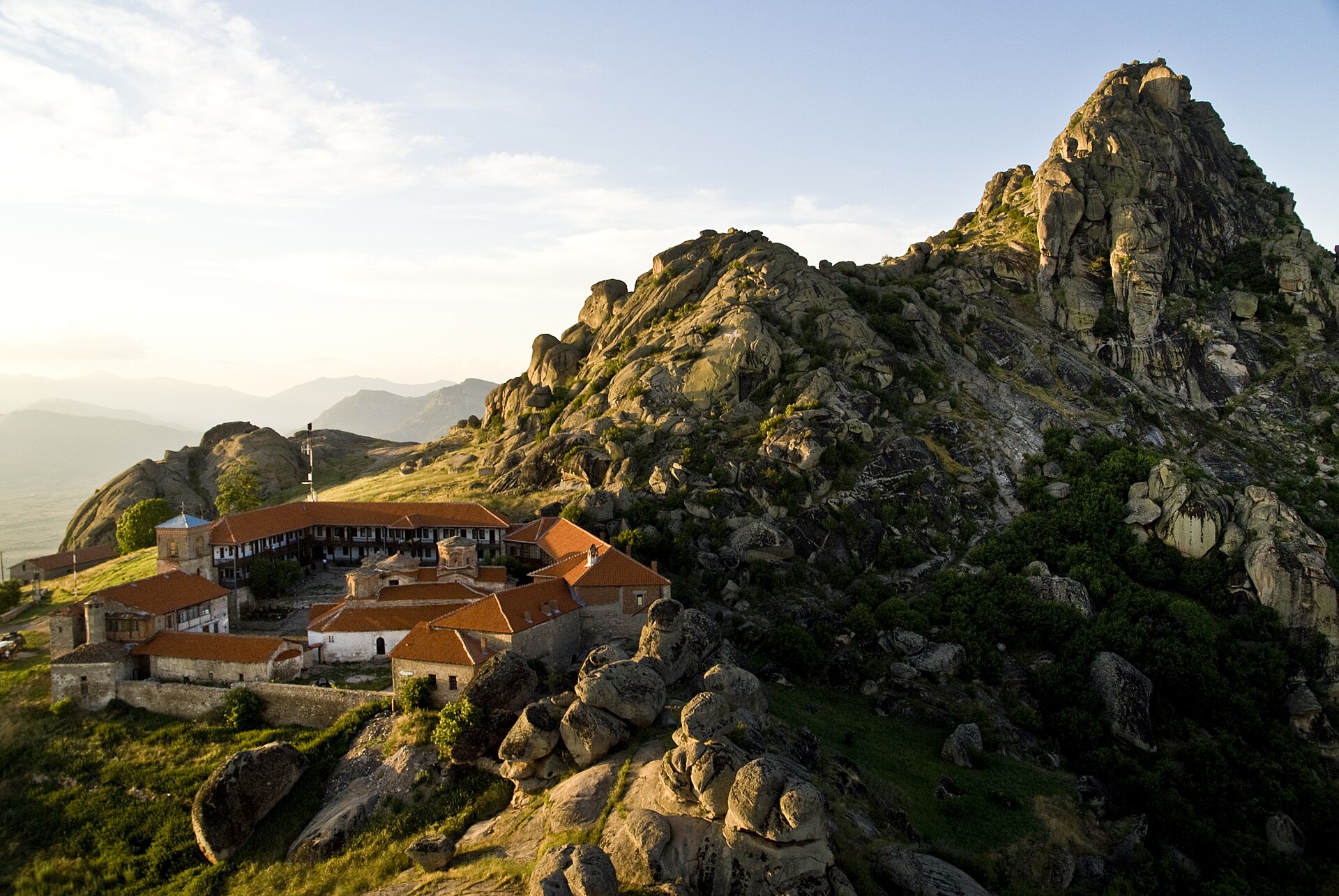
Perched dramatically on a remote cliff at 1,100 meters above sea level, high above the Prilep Valley, Treskavec Monastery is one of the most spectacularly situated monasteries in the entire Balkans — a place where spiritual devotion meets impressive natural grandeur in a setting of unforgettable beauty. Founded in the 14th century and dedicated to the Dormition of the Mother of God, the monastery has been a center of Orthodox monasticism for over 600 years, surviving Ottoman conquest, devastating fires, earthquakes, and the relentless passage of time through the faith and determination of generations of monks. The approach itself is an adventure that builds anticipation with every meter of ascent: a steep, rough, unpaved road that climbs 700 vertical meters over 8 kilometers of switchbacks, requiring a 4x4 vehicle with high clearance, or alternatively, a challenging but rewarding 2-hour hike from the outskirts of Prilep that winds through fragrant pine forests, past rocky outcrops, and up mountain slopes dotted with wildflowers and herbs.
Exploring Treskavec Monastery: Top Attractions & Hidden Gems
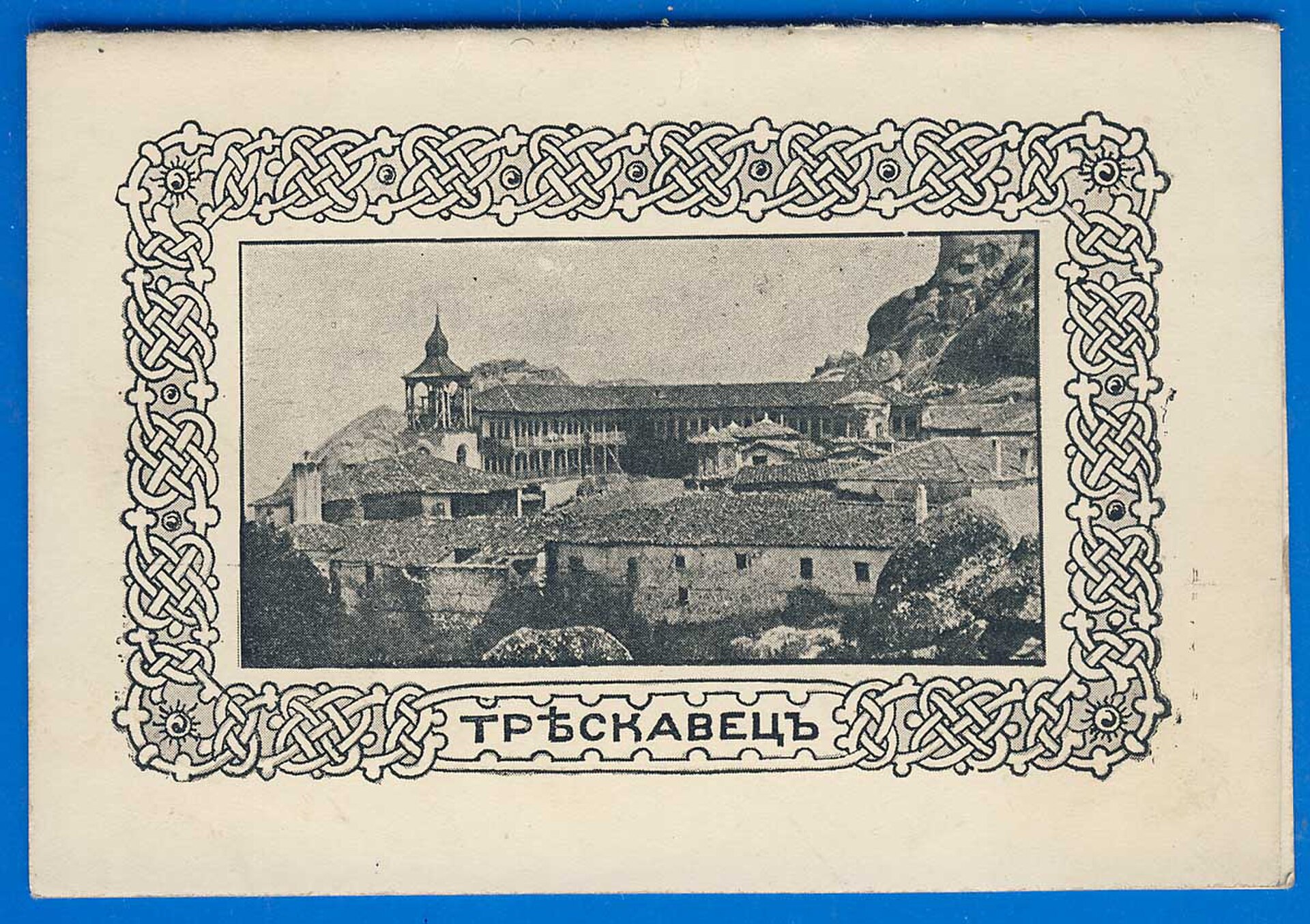
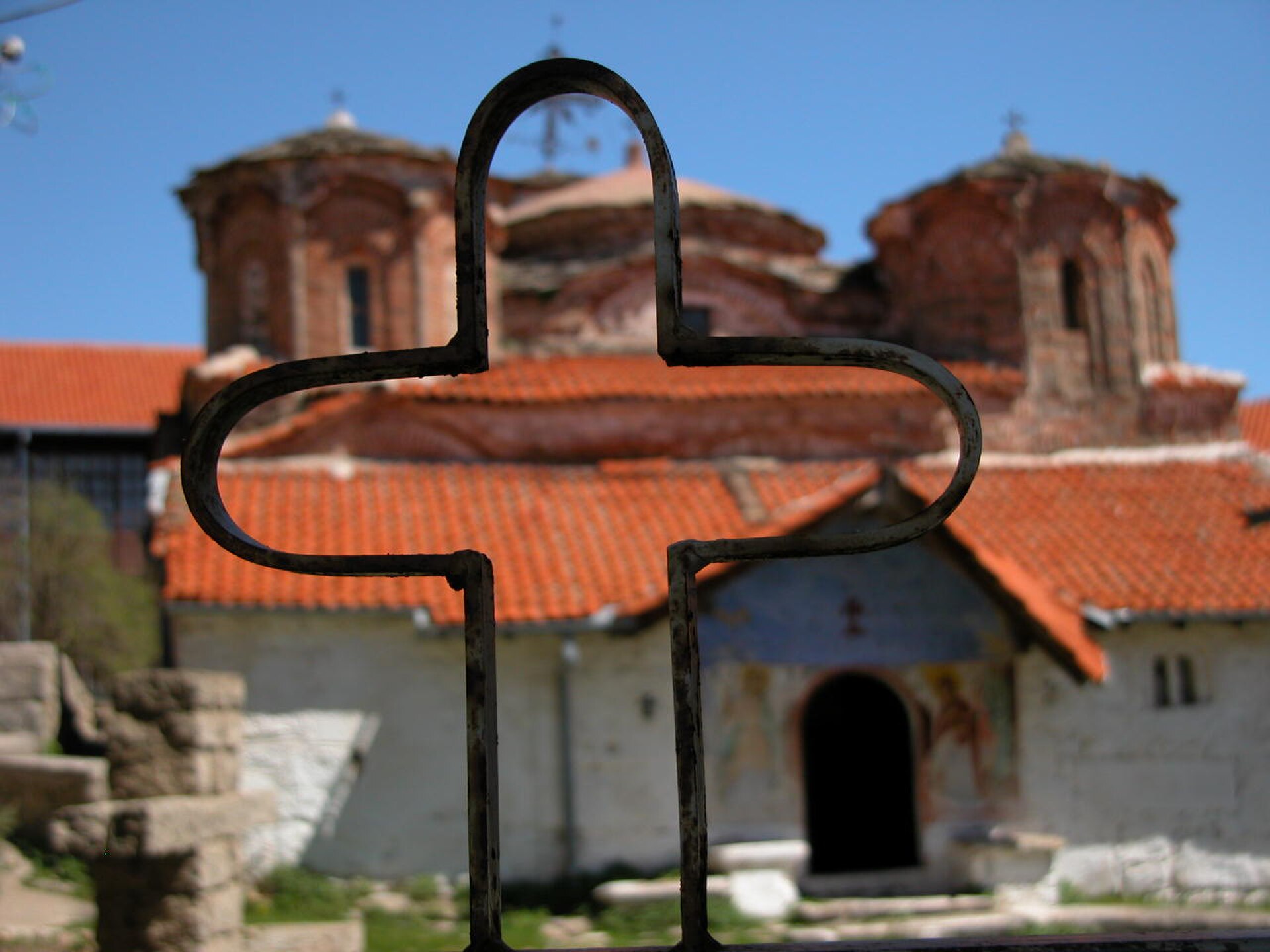
The reward upon arrival is one of the most impressive panoramic views in all of North Macedonia — the entire Pelagonia valley stretches out below like a living map, with the white marble peaks of Sivec, the Markovi Kuli fortress, and the distant mountains of Albania visible on clear days. The monastery church combines stone and brick construction typical of medieval Macedonian architecture, with a central dome and a bell tower that rises against the mountain sky. The interior contains fragments of 15th and 19th-century frescoes, some depicting scenes rare in Orthodox iconography, including detailed portraits of the monastery's founders and protectors.
Local Culture & Food in Treskavec Monastery
The monastery remains active, with a small community of dedicated monks who maintain the church and welcome visitors with traditional Macedonian hospitality — often which offers coffee, rakija (fruit brandy), and fresh bread to weary travelers who have made the pilgrimage. The sense of peace, isolation, and connection to something greater at Treskavec is profound and moving, making it a place of both spiritual and scenic pilgrimage that leaves an indelible impression on all who make the journey. The effort required to reach Treskavec is considerable, but the experience is absolutely unforgettable.
🗓 Best Time to Visit
May to October. The best time to visit is May-September when the weather is warmest. Spring and autumn offer pleasant temperatures for city sightseeing, while the mountains are ideal for hiking from June to September. Lake Ohrid is at its best between May and October.
🍽 Food & Drink
Eating in Treskavec Monastery centers around traditional family recipes and regional ingredients — historic stone buildings house traditional restaurants where you can taste local recipes passed down through generations. Local dishes include: ajvar (roasted red pepper spread — eaten with everything), tavče gravče (baked beans in a clay pot — the national dish), shopska salata (chopped salad with white cheese), kebapi (grilled meat sausages), and pastrmajlija (an oval bread boat topped with cubed meat and eggs). For drinks, try local Vranec and Temjanika wines, mastika (anise liqueur), and rakija.
🚗 How to Get to Treskavec Monastery by Bus, Car & Boat
By car: Well-connected by regional roads. Parking is available on the outskirts. By bus: Regular bus services from the nearest cities. Walking: Treskavec Monastery is compact and best explored on foot. In Skopje, city buses and a new bus rapid transit system cover the city. Taxis are very affordable (€0.50-1 per km). Walking is best in Ohrid and Bitola. Always confirm taxi fare before riding.
🥘 Where to Eat in Treskavec Monastery: Authentic Local Cuisine
While Treskavec Monastery itself may not have extensive dining options, the nearby towns and villages offer excellent restaurants serving traditional regional cuisine. Many historical sites have a cafe or snack bar for light refreshments, but the real culinary experiences await in the surrounding settlements. Look for traditional konobe (taverns) and family-run restaurants where recipes have been passed down through generations. These establishments often use ingredients sourced from local farms and producers — fresh cheeses, cured meats, seasonal vegetables, and artisan breads. For a memorable experience, book a table at a restaurant with views overlooking the historical site, especially at sunset when the ancient stones glow golden. Local wineries near archaeological sites often offer tastings paired with regional specialties. Pack a picnic to enjoy on the grounds of the site itself — there's something special about eating surrounded by millennia of history. Macedonian cuisine is a rich Balkan-Mediterranean fusion — ajvar, tavče gravče, fresh Ohrid trout, and quality wines from the Tikveš region are highlights.
🏨 Best Hotels Near Treskavec Monastery
Accommodation options vary by season and location. Book ahead for summer weekends and major local events.
Find a stay in Treskavec Monastery
Compare apartments, guesthouses, and vacation rentals while you finalize your route. Flexible cancellation can help when drive times or border plans change.
Browse stays in Treskavec Monastery on Vrbo →Accessibility
- The approach is a steep, rough unpaved road or a challenging hike from Prilep.
- A 4x4 high-clearance vehicle is described as necessary for the road.
- Confirm current access and weather before setting out.
Common Mistakes
- Treating the approach as an ordinary paved drive.
- Starting the hike without water and suitable footwear.
- Entering the monastery without checking dress expectations.
- Ignoring weather on the exposed cliff route.
Photography
- Use the cliff position and Prilep Valley for scale.
- Frame the monastery with pine forest and rock.
- Keep interior photography subject to monastery rules.
- North Macedonia regulates drones — check current registration and flight rules with the Civil Aviation Agency of the Republic of North Macedonia before flying.
Etiquette
- Dress modestly.
- Keep voices low in the monastery.
- Follow monks’ instructions.
- Stay on the approach route.
- Leave no waste.
Frequently Asked Questions
When is the best time to visit Treskavec Monastery?
May to October. The best time to visit is May-September when the weather is warmest. Spring and autumn offer pleasant temperatures for city sightseeing, while the mountains are ideal for hiking from June to September. Lake Ohrid is at its best between May and October.
How do I get to Treskavec Monastery?
By car: Well-connected by regional roads. Parking is available on the outskirts. By bus: Regular bus services from the nearest cities. Walking: Treskavec Monastery is compact and best explored on foot. In Skopje, city buses and a new bus rapid transit system cover the city. Taxis are very affordable (€0.50-1 per km).
How many days do you need in Treskavec Monastery?
A visit to Treskavec Monastery can be tailored to your interests. Perched dramatically on a remote cliff at 1,100 meters above sea level, high above the Prilep Valley, Treskavec Monastery is one of the most spectacularly situated monasteries in the entire Balkans — .
What is Treskavec Monastery known for?
Perched dramatically on a remote cliff at 1,100 meters above sea level, high above the Prilep Valley, Treskavec Monastery is one of the most spectacularly situated monasteries in the entire Balkans — a place where spiritual devotion meets impressive natural grandeur in a setting of unforgettable beauty.
Where should I stay in Treskavec Monastery?
While Treskavec Monastery itself is primarily a heritage attraction, the nearest town or city offers a range of accommodation options to suit every budget. Look for hotels and guesthouses that provide easy access to the site — many offer shuttle services or are within walking distance.
🗺️ Build a route around Treskavec Monastery: Add Treskavec Monastery to my itinerary. It opens the planner with this stop selected, so you can add nearby places and set the trip length.
Plan your budget
For country-level budget ranges and planning assumptions, see the Balkan travel costs guide.